


 Shkruar nga Sylë Ukshini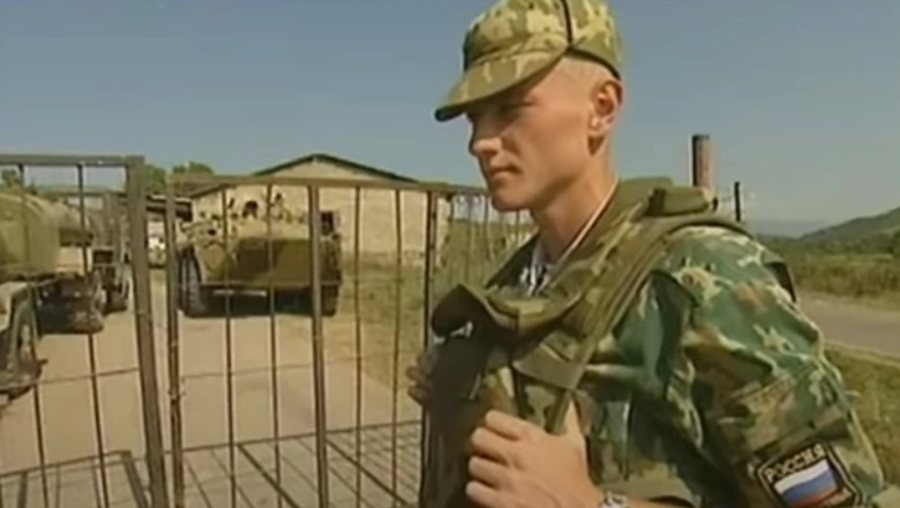
Europe, in these moments of the threatened confrontation with Russia in Kosovo, was unable to contribute almost anything, since it lacked and still lacks the skills and opportunities to do so, Joschka Fischer stated a few years later the end of the Kosovo war.
NATO was now present with its army in Kosovo, but in all the telephone conversations between the American president, Clinton, and the Russian one, Yeltsin, the situation remained tense, because the issue of Russia's presence in Kosovo had not yet been resolved. KOSOVO
John Norris, who throughout the crisis in Kosovo served as director of communications for the US Deputy Secretary of State, Strobe Talbott, in the book "Collision Course: NATO, Russia, and Kosovo" writes that at the end of the Kosovo war, both Milosevic and the Russians intended that through the creation of a separate Russian military sector in the north of Kosovo, the circumstances for the division of this part of Kosovo would be created.
According to Norris, the Finnish president, Martti Ahtisaari, would argue that he felt the only reason Milosevic accepted the June 1999 peace deal, which he and Russian emissary Viktor Chernomyrdin brokered in Belgrade, was because of the Russian partition plan. of northern Kosovo and the intention to place it under Russian and Serbian control. "I could not find any other reason why Milosevic accepted the agreement. I kept asking myself, 'Why did you agree?' And I found no reason other than the Russian plan. I tried to see some logic in this event, because in the negotiations the Russians were for separation and to have their own sector. They could not agree on the unique command structure of KFOR in Petersberg, because they had a plan to introduce their troops into Kosovo", he went on.
Goals for another "Republic of Serbia"
On June 7, 1999, the commander of Russian peacekeeping forces in Bosnia, Major General Roman Yepifanov, told his troops that they had to prepare to move quickly because the operation was designed to influence negotiations with NATO. Moscow had told General Yepifanov that he would have to remain very flexible – it was possible that his troops would have to speed up the operation to enter Kosovo at some point.
Such an argument is reinforced by the researcher Stephen Schwartz, who finds that NATO's excellent military performance against the remaining Yugoslavia was further complicated by the cunning and tricks of Russian politicians, diplomats and commanders in the Balkans, who were inclined to to prove that Russia still represented a world superpower. American national security expert Zbigniew Berzezinski says that the surrender of Belgrade in June 1999 was clearly influenced by the push of Russia, which had made plans to establish a special zone under Russian administration, in cooperation with the Serbs, on the northeastern border of Kosovo with Serbia. This would serve to break up Kosovo and establish it as a "Serbian Republic (similar to what was decided in Dayton after the cease-fire in Bosnia").
The plan for the occupation of Pristina Airport
The Russians in Bosnia-Herzegovina even sent a military force through Serbia to arrive and occupy Pristina Airport. The fact that the plan for the Russo-Serbian zone was not realized was due to the courage and perseverance of Bulgaria, which refused to give permission to its former partners for the passage of 7,000 Serbian troops. Bulgaria had taken its new accession to the Western democracies very seriously, and permission to enter Bulgarian airspace was denied to Russian aircraft until the Russians fully surrendered to NATO authorities in Kosovo. Also, the Russian plan to forcefully create a Russian-Serbian sector outside the control of KFOR troops failed.
Sleepless nights because of Russia
Në kujtimet e tij, Strobe Talbott përshkruan negociatat që pasuan më pas, të cilat zgjatën me orë të tëra, me Ministrinë e Jashtme të Rusisë dhe natën e gjatë në Ministrinë e Mbrojtjes. Përshkrimi i tij ia vlen të lexohet, ngase aty përshkruhet në mënyrë mjaft bindëse, se gjatë atyre ditëve dhe netëve në Moskë ishte krijuar një situatë, e cila ishte në kufijtë e rebelimit të ushtarakëve rusë kundër kryesisë së tyre politike. Në memoaret e tij, Strobe Talbott situatën e krijuar e përshkruan me fjalët: “Kam mbetur shumë herë pa gjumë për shkak të Rusisë, gjatë gjashtë vjetëve të fundit, por ishte hera e parë që kisha ankth të vërtetë”. Por ai nuk ishte njeriu i vetëm, i cili këtë natë u mundua nga ankthi. Me gjithë informatat e para, aeroplanët rusë nuk ishin ngritur nga bazat e tyre dhe kështu në fund u shmang konfrontimi dramatik ushtarak mes SHBA-së dhe Rusisë. Situata jostabile e brendshme politike në Moskë, në këtë situatë u dëshmua si një rrezik i madh dhe sërish ishin marrëdhëniet speciale mes dy fuqive, si dhe aksionet dhe modelet e sjelljeve, të përvetësuara gjatë dekadave të tëra të luftës së ftohtë, gjërat që shtendosen në fund krizën.
Evropa, në këto çaste të konfrontimit që i kërcënohej me Rusinë në Kosovë, nuk qe në gjendje të kontribuonte me pothuajse asgjë, pasi që asaj i munguan dhe i mungojnë edhe më tej aftësitë dhe mundësitë për ta bërë këtë, konstatonte Joschka Fischer pak vjet pas përfundimit të luftës së Kosovës.
NATO-ja tani ishte e pranishme me ushtrinë e saj në Kosovë, por në të gjitha bisedat telefonike mes presidentit amerikan Clinton dhe atij rus Jelcin, situata mbeti e tendosur, për shkak se ende nuk ishte zgjidhur çështja e pranisë së Rusisë në Kosovë. Vetë, pas negociatave të drejtpërdrejta mes ministrave të jashtëm dhe të mbrojtjes të dy shteteve, të zhvilluara më 16 dhe 17 qershor 1999 në Helsinki, u arrit zgjidhja.
Russia was left without its own sector and the command structure was resolved in a manner analogous to that in Bosnia, more precisely, Russian forces were not subject to the command of NATO, but coordinated with the command of KFOR through an American general, who it was also not subject to NATO command. With this, the Kosovo war finally ended. /koha.net/


Lini një Përgjigje