


 Shkruar nga Pamfleti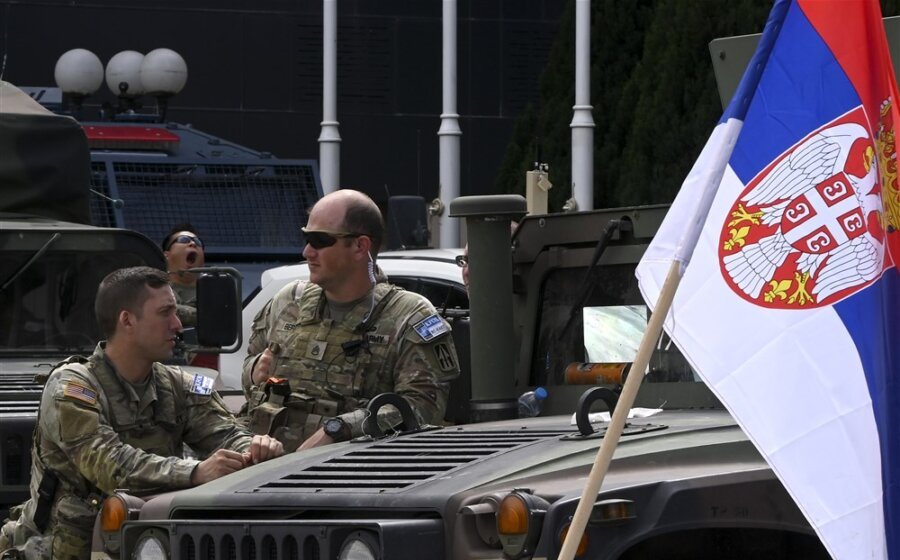
In recent years, this willful blindness to Serbia's transgressions has become the norm in US-Balkan diplomatic relations, encouraging Balkan strongmen...
The vision of the Biden administration for the promotion of democracies in the Balkans has fallen on its deathbed. The US halted efforts to crack down on Serbia's crime-ridden authoritarian regime even as the regime aligned its foreign policy with Russia's and violated civil liberties. To maintain order, the US strengthened and punished its staunchest ally, democracy-oriented Kosovo – the country it defended and built after the Serb ethnic cleansing campaigns against the Albanian majority in the 1990s.
Meanwhile, Serbia received support from Russia and China to continue its provocations.
Why is the US supporting those regimes in the Balkans that are less committed to democratic values, while abandoning its liberal-minded allies? US liberal values are desperately needed to solve the crisis, but they are currently nowhere to be found.
Serbian attack on NATO troops, a warning for more
Emboldened by the West's repeated soft language, groups led by Belgrade, wearing masks, batons and armed with Molotov cocktails and guns, attacked NATO peacekeepers and journalists.
A day before the attacks on NATO troops, US Secretary of State Antony Blinken condemned Kosovo for enforcing the law related to election results in the north. Meanwhile, it was Serbia that put its armed forces on combat alert and stationed units on the Kosovo border. Blinken uttered no words of condemnation for the first round of violent protesters ordered by Serbia, who burned police cars. Without international condemnation, Serbian agitators grew bolder and attacked and injured NATO troops, damaged media vehicles and painted Z symbols on KFOR cars. In response to Serbian violence, the US canceled Kosovo's participation in NATO's "Defender 23" exercises.
In recent years, this willful blindness to Serbia's transgressions has become the norm in US-Balkan diplomatic relations, emboldening the Balkan strongmen.
The pattern is clear. The US looks the other way, while Serbia's leader, Aleksandar Vucic, foments destabilization in Kosovo whenever his domestic opposition grows stronger. Even after days of Serbian-led violence against NATO, the West demands more from Kosovo and simply "encourages President Vučić to promote calm among the Kosovo Serbs."
The US must decide on its vision for the Balkans. Will it be a region run by ethno-nationalist autocrats, or one committed to multiculturalism and democracy? After all, Kosovo is the US's most democratic ally in the region. Now, however, the US appeases ethno-nationalist leaders like Vucic and punishes those who seek to enforce true liberal structures as barriers to "stability." /Adapted "Pamphlet" from "News Week"







Lini një Përgjigje