


 Shkruar nga Dr Gurakuç Kuçi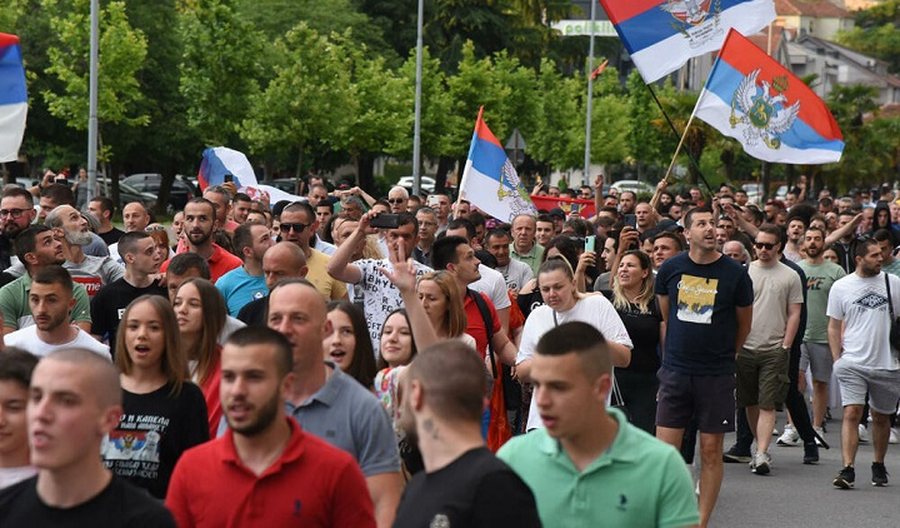
The Pro-Russian and Pro-Serbian Turn in Montenegro and the Challenges of
Geopolitical Orientation
The last population census in Montenegro can bring
serious damage to this country. The non-publication of the full results, such as the one on
the issue of ethnicity, language and religion, raises suspicions that the activity
of Serbia and Russia has succeeded in disrupting the ethnic balance by
artificially increasing the Serbian ethnicity by encouraging Montenegrins to
declare themselves as Serbs.
This issue is part of a powerful cause of the return of the influence
of Russia and Serbia in this country, which offers access to
warm waters, namely the Adriatic Sea. The last census, in addition to
the irregularities that occurred during its holding, there was also a fierce
Serbian campaign through the Serbian Church which called for a declaration from
Montenegrins to Serbs and other calls through individual campaigns and
billboard campaigns.
The results of the census may bring serious changes to the
state structure of Montenegro. The research of the OCTOPUS Institute finds that there are
five options in case the hybrid war of Russia and Serbia succeeds
against Montenegro.
1. Serbs in Montenegro - like Albanians in North Macedonia.
2. Federalization like Bosnia and Herzegovina.
3. Association of municipalities with a Serbian majority like the one proposed in
Kosovo.
4. Referendum that enables secession of some municipalities or return under
Serbia.
5. The change in geopolitical circumstances and the balance of forces that brings about
a potential annexation by Serbia.
Until the realization of these options, Russia and Serbia have used
many methods of hybrid warfare, which we have identified below:
- threats to life as a method of intimidation, political cases, such as the attempted assassination of Djukanovic ,
to change the approach of Montenegro
banning its membership in NATO.
- political parties, supporting various subjects, mainly of the
extreme right wing and exploiting the fragility of democracy
to legalize their ethnic issue.
- electoral elections, creating as many subjects as possible which
then manage to split the votes of the big parties that are not in favor of
Russian and Serbian interests.
- influence through the propaganda of changes such as those before
the census that are mentioned in the paper.
- the impact of changing the declaration of society on ethnic issues, in
this case the declaration from Montenegrin to Serbian, on ethnic engineering.
- the use of television, print media and social networks to
spread propaganda, agitation and disinformation.
Mësimet për Kosovën në censusin e saj
Kosova me datën 1 prill të këtij viti pret që ta mbaj censusin apo
regjistrimin e popullsisë. Instituti OCTOPUS duke marrë në konsideratë
përvojën e Malit të Zi dhe ndërhyrjet e mundshme të palëve të treta si
Rusia dhe Serbia, Kosova duhet të analizojë me kujdes çdo aspekt të
procesit të censusit, duke përfshirë teknikat e regjistrimit, sigurinë e
të dhënave dhe përfshirjen e të gjitha komuniteteve. Është thelbësore të
ndërmerren masa për shmangien e ndërhyrjeve të mundshme nga faktorë të
jashtëm, duke shtuar aktivitetin diplomatik në qendrat e vendimmarrjes
dhe duke përforcuar rrugën drejt anëtarësimit në NATO.
Të gjitha konkluzionet më lartë kanë një histori të bujshme politike dhe
strategjike. Ju inkurajojmë që të lexoni komplet punimin për ta kuptuar
më mirë gjithë procesin duke klikuar mbi titullin: Rreziqet dhe
Rikonfigurimet Gjeopolitike: Serbia dhe Sfida për Stabilitetin e Malit
të Zi.
Kthesa Pro-Ruse dhe Pro-Serbe në Mali i Zi dhe Sfidat e Orientimit
Gjeopolitik
Mali i Zi rrugëtimin e vet pro-perëndimor mund ta konsiderojmë që e ka
filluar në vitin 1995, menjëherë pas marrëveshjes së Dejtonit. Në atë
vit Millo Gjukanoviç bashkë me Svetozvar Maroviç vizituan Pentagonin në
SHBA, ku ofruan qasje për trupat paqeruajtëse ndërkombëtare në Portin e
Barit. Gjatë bombardimeve të NATO-së, Gjukanoviç kishte arritur të
bindte NATO-në të kufizonte bombardimet në territorin malazias.
Mali i Zi e shpalli pavarësinë e saj me 2006 pas një referendumi ku
pjesë e rëndësishme ishin edhe shqiptarët. Vuçiq në atë kohë kishte
deklaruar se do të angazhoheshin për ta rikthyer prapë Malin e Zi pas
10-20 vitesh. Angazhimi i Serbisë ka qenë në bashkëpunim të plotë me
Rusinë, pasi përveç interesave të zgjerimit të territorit dhe interesave
sllavo-ortodokse, interes të rëndësishëm strategjik përbën edhe dalja në
ujëra të ngrohta, gjegjësisht në Detin Adriatik. Me 2013 dhe 2015 Rusia
kishte kërkuar nga Mali i Zi që t’i jepte Portin e Bar-it për ndërtimin
e një baze ushtarake, por që ishte refuzuar nga Mali i Zi duke dërguar
në tensionim marrëdhëniesh deri sa me 2017 ishte provuar një grusht
shtet duke dashur ta vrasin Millo Gjukanoviçin gjatë zgjedhjeve. Ky
tentim atentat ishte zbuluar nga Agjencia e Kosovës për Inteligjencë dhe
kishte informuar organet e sigurisë së Malit të Zi, ku për pasojë ishin
arrestuar rreth 20 persona duke përfshi edhe ish-oficerë të
xhandarmërisë serbe.
All this, according to the prosecutor of the case, was for political purposes to
change the power in Montenegro and stop the membership of this
country in NATO.
Things in Montenegro again began to move towards a pro-Serb
and pro-Russian orientation after the 2020 elections, where Djukanovic's party lost and a group of mainly pro-Russian and pro-Serbian
political parties won the election .
The government that emerged from these elections led by
Zdravko Krivokapic did not last more than 14 months to give way to
the government of Dritan Abazovic. The latter with so much fanfare that he became
prime minister, with the same drama he led briefly and was also overthrown
from power, this because he made an agreement with the
Serbian Orthodox Church to which he offered extraterritoriality and many
other benefits and the Assembly decided to vote - trust in him.
According to a research by Pobjeda newspaper, during Abazovic's mandate,
the border police were changed, replacing them with unprofessional
and party loyalists, which made the border with Bosnia
and Herzegovina non-functional.
Nor did the 2023 elections produce anything other than the strengthening of
pro-Russian and pro-Serbian parties, bringing to power in the three highest positions
and other positions people who have pro-Serbian and
pro-Russian orientations where the arguments more broadly find them at work.
Including the political changes and the recent census, where there were
purposes of ethnic engineering, the issue that Serbia is landlocked
and this landlocked is important for Serbia and Russia then after
the results of the census, without an adequate response to Serbia and Russia
from the western allies the options for Montenegro can be ominous.
This is because a new artificial crisis of erosion from
within the institutions can be created, new elections under the slogans of stopping the
return of nationalists to power, secession through the referendum
of some municipalities such as Pljevelija, Nikshiqi and Berana, then all these
actions are made possible by the blockages that Andrija Mandić can do from
the position of Speaker and member of the Security and
Defense Council that holds the Command of the Armed Forces where decisions are taken
unanimously.
The last option remains that of a classic invasion in changing
geopolitical circumstances and the balance of global forces.
*Dr. Gurakuç Kuçi is a researcher at the Institute for Hybrid Warfare Studies
"OCTOPUS"


Lini një Përgjigje