


 Shkruar nga Pamfleti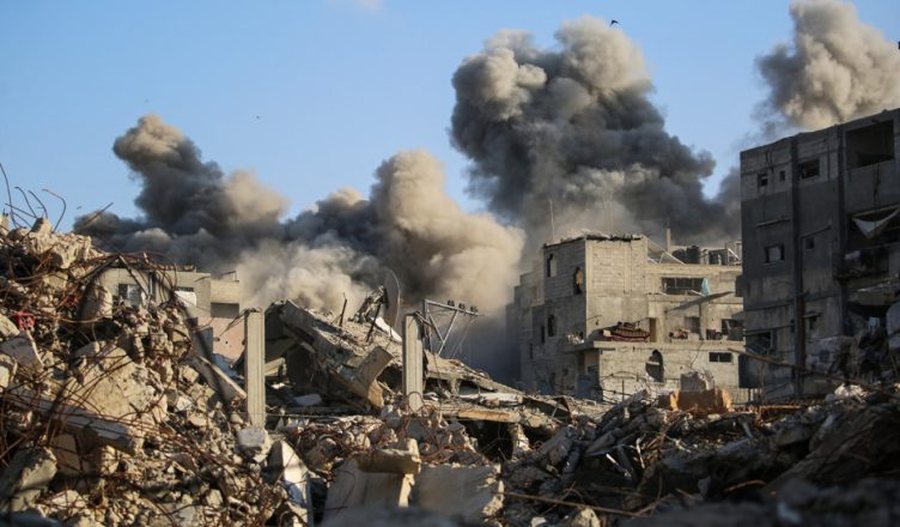
Even though Kosovo is located about 1,800 kilometers from Gaza, the armed conflict there caused strong repercussions in public debates and local social networks, from insults and insults to life threats.
The events of October 7, 2023, when Hamas militants - a group designated a terrorist group by the US and other powers - crossed the border into Israel, killed over 1,200 people and kidnapped hundreds more, sparked a humanitarian crisis in the Hamas-controlled enclave that continues to shock the world.
Over two years later, after mediation by US President Donald Trump, Israel and Hamas reached a fragile ceasefire, but the consequences of the violence remain profound: some 70,000 Palestinians killed in Gaza and a world divided between victims and attackers on both sides.
In this context, the debates in Kosovo, which had been ongoing since the beginning of the conflict, intensified last week after the publication of a documentary by Kosovar journalist, Kushtrim Sadiku.
Yes, why this polarization?
Threats against journalists and public reactions
Three days before the release of the documentary on Channel 10 Television, which retraces the events of October 7 through the stories of survivors and an analysis of the situation in Israel, over two years later, Sadiku began to face various reactions regarding the content.
After publication, threatening messages increased his and his family's concern.
"I have received life threats, which I have addressed to the Kosovo Police and Prosecutor's Office. I have also notified several friendly embassies ," Sadiku told Radio Free Europe.
The debate on local television and social networks immediately flared up.
Opinionists and citizens took supportive or critical stances, while comments often took on harsh tones.
The Association of Kosovo Journalists (AGK) reacted, demanding that the discussion take place within the framework of free debate, without threats to personal safety.
Social networks, a terrain of polarization
For experts in the field, things are not simple. Professor of Journalism at the University of Pristina, Alban Zeneli, says that the Israeli-Palestinian conflict is among the most media-covered in the world and adds that social networks in Kosovo are the ones used as a tool for division.
"Comments are not filtered, debate is not organized, and division is exploited for audience and visibility. Local television stations often amplify these tensions through fragments of their shows on social networks," Zeneli tells Radio Free Europe.
This model of the "attention economy", according to him, brings real consequences: emotional debates outweigh objective analysis and rational arguments, amplifying divisions within society.
“Unë mendoj se kjo është e lidhur direkt me mënyrën se si po bëhet biznes me median në Kosovë, sepse monetizimi i përmbajtjeve nga mediat sociale e krijon këtë lloj të logjikës së përplasjes. Në modelin e biznesit të vetë mediave sociale, dominon ekonomia e vëmendjes, pa të cilën këto platforma nuk janë të vlefshme”, shton ai.
Reagimet historike dhe fetare
Profesori i Historisë në Universitetin e Prishtinës, Mentor Hasani, vlerëson për Radion Evropa e Lirë se përfshirja e Kosovës në këtë debat lidhet me shumë faktorë - historikë, fetarë, politikë e gjeopolitikë.
Sipas tij, Ballkani - përfshirë Kosovën - ka qenë historikisht pjesë e perandorive me shtrirje globale, ku janë formësuar identitete të ndryshme fetare, kulturore dhe sisteme vlerash që ndikojnë edhe sot në leximin e konflikteve ndërkombëtare.
Ai thotë se për shqiptarët e Kosovës, kujtesa e luftës, dhunës dhe spastrimit etnik mbetet e freskët, edhe gati 27 vjet pas përfundimit të saj.
Kjo përvojë, sipas tij, reflektohet drejtpërdrejt në reagimet ndaj konfliktit në Gazë, ku individë dhe grupe të ndryshme shfaqin empati ose mirëkuptim për njërën apo tjetrën palë.
“Njerëzit e lexojnë konfliktin përmes përvojës personale, kush është viktimë, kush agresor, kush ka pushtet dhe kush është i pambrojtur, çka shpesh çon në vlerësime të pasakta”, sipas tij.
Hasani shton se reagimet në rrjetet sociale, veçanërisht ato në mbështetje të palestinezëve, përveç empatisë ndaj viktimave, bartin edhe një dimension fetar.
Edhe pse në Kosovë vazhdon të dominojë një islam tradicional, ai paralajmëron për ekzistencën e grupeve periferike që predikojnë forma radikale të fesë dhe nxisin përplasje brenda komunitetit.
“Ky emocionalitet i ushqyer nga pamjet e dhunës në Palestinë, ka krijuar hapësirë për instrumentalizim dhe përhapje të ideve radikale, duke lënë edhe përshtypjen e një antisemitizmi në nivele të caktuara”, thekson Hasani.
Megjithatë, ai vëren se në debatet publike ka edhe qëndrime mbështetëse për Izraelin, të cilat i sheh si strategjike dhe pragmatike.
“Këta njerëz e shohin këtë mbështetje si pjesë të orientimit drejt Perëndimit dhe fuqive të mëdha, që kanë luajtur rol vendimtar në mbijetesën e popullit dhe shoqërisë sonë”, thotë Hasani.
Përplasjet online dhe emocionet
Për psikologun Dashamir Bërxulli, përplasjet online janë shpesh amplifikim i emocioneve historike dhe fetare.
Individët ose grupet me orientim fetar mbështesin kauzën palestineze, ndërsa të tjerët, me orientim historik, mbështesin Izraelin, sipas tij.
Ai paralajmëron se polarizimi i tillë mund të sjellë tension edhe në jetën reale, nëse nuk menaxhohet me kujdes nga elitat politike dhe intelektuale.
" I'm not saying that (the polarization of society) will culminate in certain actions. But, most likely, when a balloon of energy gathers, then, one way or another, it will burst ," Bërxulli tells Radio Free Europe.
Education and dialogue as solutions
Historian Mentor Hasani estimates that representatives of different communities, including religious ones, can play an important role in preventing the deepening of social polarization.
Referring to data from the Kosovo Agency of Statistics, according to which over 93 percent of citizens declare themselves to be of Islamic faith, Hasani emphasizes that the Islamic Community of Kosovo (IBK) can have a key influence in deescalating public clashes, especially in cases where anti-Semitic language is used by groups with radical positions.
" The Islamic Community of Kosovo can play a major role, as it has played in recent years in the face of these currents ," he says.
Radio Free Europe has reached out to BIK for comment regarding these polarizations, but has not received a response by the time of publication of this article.
On the other hand, the World Jewish Congress' diplomat for Kosovo, Flori Zevi, told Radio Free Europe that the debates about Gaza are a clear indicator of the need for more media education, interdisciplinary approaches, and responsible public dialogue.
According to him, journalist Sadiku's documentary has opened a necessary discussion, but the reactions to it prove society's difficulty in separating facts from emotions and analysis from ideological positioning.
Zevi says that voices calling for peace and dialogue are fading in public discourse, while slogans that, in their historical and ideological context, deny the right of Israel and the Jewish people to exist are dominating.
"When political criticism turns into collective demonization, then we have crossed the line from legitimate debate into ethnic or religious discrimination and hatred. This is precisely why education is key ," says Zevi.
What does the law say in Kosovo?
The Criminal Code of the Republic of Kosovo states that "inciting hatred, division and intolerance between national, racial, religious, ethnic and other groups, or based on sexual orientation, gender identity and other personal characteristics, is punishable by a fine or imprisonment of up to five years."
Journalist Sadiku confirms to REL that his case is under investigation by the prosecution. Peace is not built with destructive slogans, but with empathy, knowledge and moral responsibility, concludes Zevi./ REL


Lini një Përgjigje