


 Shkruar nga Pamfleti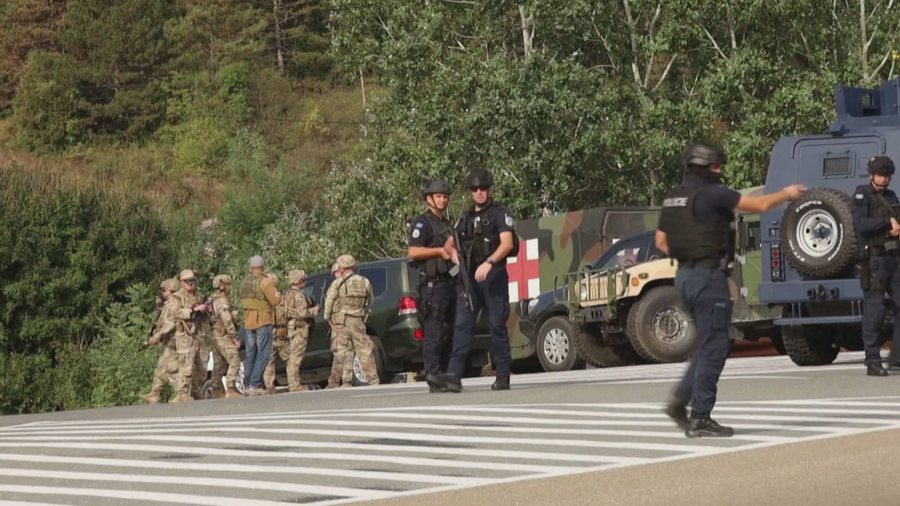
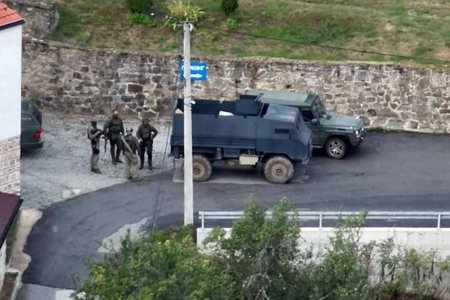
The group of armed persons that attacked members of the Kosovo Police in the village of Banjské in the municipality of Zveçan, is not a spontaneous structure, but organized and well prepared, say security experts.
Avni Islami, professor of security sciences in Prishtina, estimates that "the formation imitates the Russian mercenary group, Wagner", while Mentor Vrajolli from the Kosovar Center for Security Studies says that he could not have acted "without the knowledge of the Serbian authorities".
A member of the Kosovo Police was killed and several were injured on Sunday in clashes with an armed group in the northern part of the country, inhabited by a majority of Serbs.
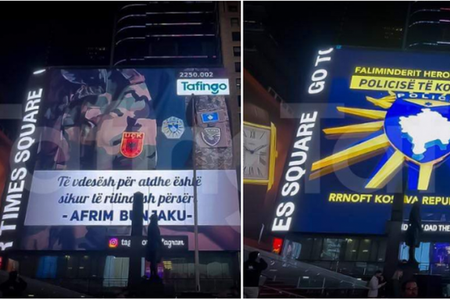
Authorities said the police sergeant, Afrim Bunjaku, died from injuries sustained during the attack.
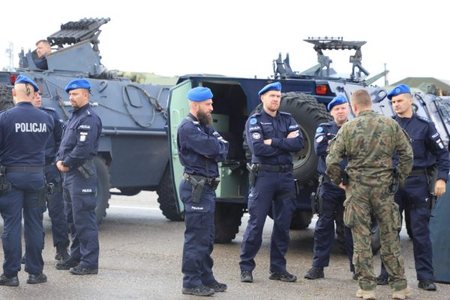
According to them, the armed attackers, about 30 people, were stationed in the Banjska monastery, from where they exchanged shots with the law enforcement agencies throughout the day on Sunday.
Kosovo's Interior Minister, Xhelal Sveçla, said that three attackers were killed, while six other people, suspected of being connected to them, were arrested.
According to Svechla, the authorities also confiscated a large amount of weapons.
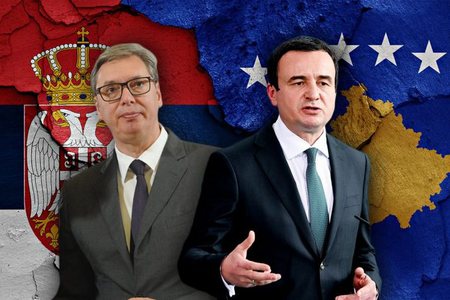
The Kosovo authorities made Serbia responsible for the attack, while Belgrade officially blamed the Kosovo Serbs.
What do security experts say?
Professor Islami tells Radio Free Europe that the armed group, which attacked the police in Banjska, was a structured and well-prepared formation.
According to him, the group did not function as isolated and self-organized, but as a formation with uniforms, with specific weaponry and connected "with the security institutions of Serbia".
“Such uniforms resemble the [Russian mercenary] Wagner group. It seems that this structured group was an imitation of the Wagner group", says Islam, referring to the Russian mercenaries who have participated in the war in Ukraine and other conflict zones.
"Long guns, melee weapons, they're all weapons that are used on the front line at close range. These are enough to say that this terrorist group, linked to the Serbian state, has committed state terrorism in a foreign territory", says Islami.
Vrajolli, nga Qendra Kosovare për Studime të Sigurisë, thotë se, bazuar nga mënyra se si u realizua sulmi në Banjskë, nuk mund të thuhet se formacioni kreu një akt spontan.
Sipas tij, ai veproi i orkestruar dhe me plan për ta destabilizuar pjesën veriore të Kosovës.
Një gjë e tillë, thotë ai, nuk ka mundur të ndodhë pa dijen e autoriteteve të Serbisë.
“Nëse flasim për mënyrën se si ata janë paraqitur, ajo tregon qartë se ata persona janë trajnuar, janë përgatitur, kanë marrë resurse mjaft të kushtueshme që të mund të operojnë. Mendoj se është e pamundshme që [autoritetet serbe] të mos i kenë informacionet. Tash, lind pyetja: A ka qenë drejtpërdrejt shteti serb i përfshirë në këtë strukturë apo kanë qenë elemente radikale të përziera? Kjo është vështirë të konfirmohet. Por, pasi që ka persona të arrestuar, atëherë informacionet se kush i ka shtyrë ata që të organizohen, do të gjenden”, shpreh bindjen Vrajolli.
Çfarë u tha në Prishtinë?
Kryeministri i Kosovës, Albin Kurti, tha se procesi i hetimeve do të ofrojë më shumë të dhëna se kush ishin personat e “formacionit profesionist” që sulmoi policinë, si hynë dhe kur hynë në Kosovë, si dhe kush janë urdhërdhënësit dhe dirigjuesit e sulmit.
“Bëhet fjalë për një formacion terrorist e kriminal, profesionist, i cili e ka planifikuar dhe përgatitur gjatë këtë çfarë ka kryer sot dhe që nuk paraqet një bandë të kontrabandës, por një strukturë mercenare, e cila është e përkrahur politikisht, financiarisht e logjistikisht nga Beogradi zyrtar”, tha Kurti.
Ministri i Punëve të Brendshme të Kosovës, Xhelal Sveçla, tha se bëhet fjalë për “grup terrorist”.
Sipas tij, disa nga sulmuesit janë “pjesëtarë të Mbrojtjes Civile” – organizatë të cilën Qeveria e Kosovës e shpalli terroriste, në fund të qershorit.
Duke folur për Radio Televizionin e Kosovës, Sveçla tha se sulmi kundër Policisë së Kosovës është realizuar me mbështetjen e “shtetit të Serbisë” dhe drejtoi gishtin drejtpërdrejt kah presidenti i Serbisë, Aleksandar Vuçiç.
Çfarë u tha në Beograd?
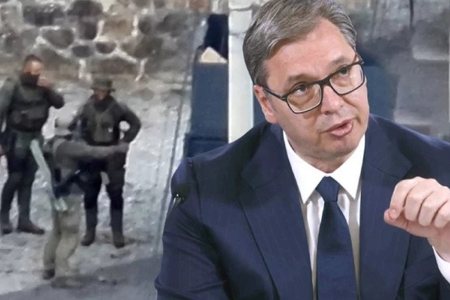
Vuçiç i hodhi poshtë pretendimet e autoriteteve të Kosovës.
Duke folur në një adresim të drejtpërdrejtë televiziv, ai tha se serbë të Kosovës u rebeluan “duke mos dashur që ta durojnë më tej terrorin e Kurtit”.
Dy nga tre personat e vrarë nga grupi i sulmuesve, tha Vuçiç, janë nga Mitrovica e Veriut.
“Ne ende po kontrollojmë për t’u siguruar që nuk janë emra të rremë”, tha ai.
“Fajtori i vetëm për atë që ndodhi në Kosovë është Albin Kurti”, tha Vuçiç dhe shtoi se sulmuesit nuk kishin uniforma të ushtrisë apo policisë serbe.
Çfarë tha komuniteti ndërkombëtar?
Misioni i NATO-s në Kosovë, KFOR, e dënoi vrasjen e policit Afrim Bunjaku dhe tha se është i gatshëm të ndërhyjë nëse është e nevojshme.
Ambasadori amerikan në Kosovë, Jeffrey Hovenier, tha se i dënon ashpër sulmet “e dhunshme dhe të orkestruara“ ndaj Policisë së Kosovës.
The head of the EU's foreign policy, Josep Borrell, who also mediates the talks between Kosovo and Serbia on the normalization of relations, said that he spoke on Sunday with the leaders of both countries.
Borrell, a statement from his office said, called for the restoration of calm and stability.
Tensions in the north
The northern part of Kosovo, namely the municipalities of North Mitrovica, Zveçan, Zubin Potok and Leposavic, are inhabited by a majority of Serbs.
The population there, influenced by the official Belgrade and the structures that function under its leadership, do not obey the decisions of the Kosovo institutions./REL


Lini një Përgjigje