


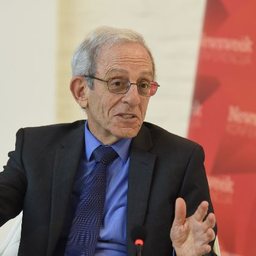
 Shkruar nga Daniel Serwer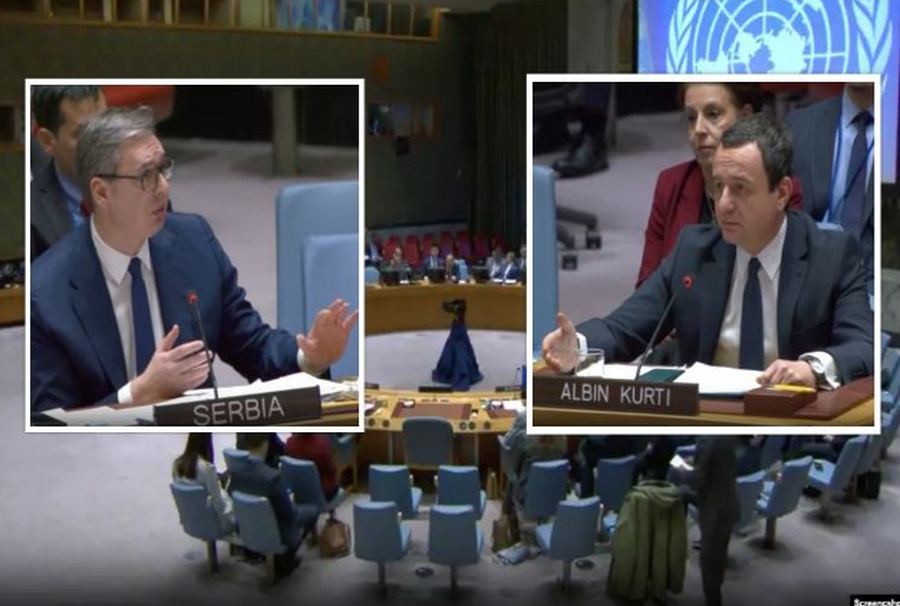
Daniel Serwer, an expert on political developments in the Western Balkans, has again commented on the Kosovo-Serbia relations, starting after the debates in the UN Security Council...
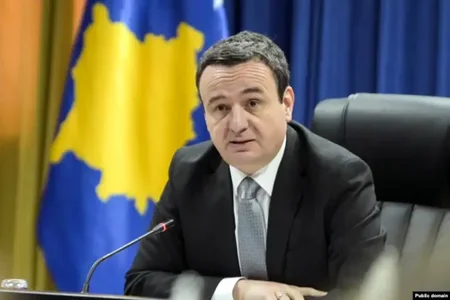
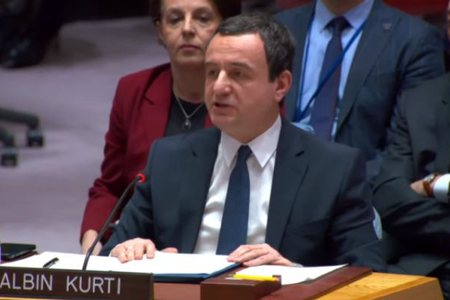
There is no exaggeration in what Albini says. President Vučić financed, supported and orchestrated the September 24 terrorist attack. The Kosovo police, who the EU wanted (and still wants) to withdraw from northern Kosovo, responded in a professional manner, killed three of the perpetrators and prevented the worst from happening. Washington and Brussels know this, but they won't say it. They prefer to let Vucic go unpunished.
They are also allowing him to avoid responsibility for Belgrade's December 27 unfair national elections. The European Parliament has called for a commission of inquiry. But so far the European Commission, the Council and most of the member states are keeping their mouths shut for a pair of elections that would not pass in any EU country. It didn't come close to relatively free and fair elections in recent years in Kosovo, including those that put Kurt in office.
Kosovo PM Kurti on the Banjska terrorist attacks:
— Admirim (@admirim) February 8, 2024
You noticed today that Mr. Vucic mentioned Serbs being wounded in different incidents but he did not mention 3 killed Serbs.
Why? Because he knows they were terrorists financed, supported, orchestrated by him. pic.twitter.com/0aMjLA5bAH
See no evil, hear no evil, speak no evil
Why this "see no evil, hear no evil, speak no evil" approach to someone who is bringing an EU candidate country ever closer to Russia and China? Many tell me that the ammunition that Serbia supplies to Ukraine is a factor. But Belgrade probably sends as much ammunition or other military supplies to Moscow as it does to Kiev.
Support for "stability" is another possible explanation. But Vučić has no stable opposition, either on the liberal democratic side of Serbian politics or on the ethnic nationalist side. Serbia's problem is a lack of political competition, not an excess of it. He is the destabilizing force both in his country's politics and in relations with its neighbors.
Internationals are part of the problem
Mungesa e kuajfuqive politike ndërkombëtare është një shpjegim tjetër. Negociatori i BE-së Miroslav Lajçak është i rraskapitur dhe në fund të litarit. Dialogu që ai ka udhëhequr për më shumë se tre vjet e gjysmë ka shteruar. Beogradi në mënyrë të përsëritur dhe me zë të lartë ka hequr dorë nga marrëveshjet e supozuara “ligjërisht të detyrueshme” të arritura atje. Dje nuk pranoi t'i nënshkruante në Këshillin e Sigurimit. Pa përparim të vërtetë në njohjen de fakto, nëse jo de jure, Prishtina refuzon të krijojë Asociacionin e Komunave me shumicë serbe që Lajçak dhe negociatori amerikan Gabe Escobar, në mënyrë të pamatur, e bënë prioritetin e tyre kryesor.
Shumë shpresojnë se gjërat do të përmirësohen me Ndihmës Sekretarin e Shtetit O'Brien në krye. Ai është treguar i hapur me boshnjakët. Por nuk është e qartë nëse ai është i përgatitur të flasë për Vuçiçin për zgjedhjet serbe, dialogun me Prishtinën, sulmin terrorist të Beogradit të 24 shtatorit, apo rrëmbimin e tre policëve në territorin e Kosovës. Xhimi e njeh vështirësinë e çdo zgjidhjeje politike dhe përpiqet t'i drejtojë përpjekjet e tij në drejtimin ekonomik, duke shpresuar të anashkalojë çështjen e njohjes.
Pra, kujt i intereson?
Asnjë nga këto nuk është një problem i madh, të paktën siç shihet nga Uashingtoni apo Brukseli. Por nuk është një problem i madh derisa të jetë. Vuçiç është gjithnjë e më serioz në përpjekjet e tij për të destabilizuar vendet fqinje me pretendime irredentiste dhe vetëviktimizuese në emër të popullatës së tyre serbe. Rusët do ta shtyjnë atë në atë drejtim, për të bërë jehonë dhe për të përforcuar pretendimet e tyre në Ukrainë. Atmosfera në Bosnje, Mal të Zi dhe Kosovë është gjithnjë e më e tensionuar. Nuk do të duhej shumë përpjekje për të provokuar destabilitet edhe në të tria, pastaj të justifikohej lëvizja e tankeve serbe për të mbrojtur popullsinë serbe lokale nga thashethemet e rreme për spastrim etnik dhe gjenocid.
Edhe pa lëvizje revanshiste në fqinjët e tij, Vuçiç mund të shfrytëzojë skenën e brendshme serbe për të promovuar dhunën. Forcat e tij të sigurimit kanë arrestuar dhe rrahur kundërshtarë që guxojnë të kërkojnë falje për mizoritë serbe në vitet 1990. Madje, ata kanë vendosur lule mbi varrin e një vajze të re të vrarë nga forcat serbe të sigurisë në Kosovë. Represioni e frikëson opozitën serbe dhe siguron që ajo nuk do të tërhiqet nga nacionalizmi serb i linjës së ashpër në Kosovë. Është e qartë se është e prirur të mos e bëjë këtë gjithsesi, por Vuçiç dëshiron të sigurohet që askush të mos ketë ndonjë ide të zbukuruar për pranimin e keqbërjes së epokës së Millosheviçit. Si Ministër i Informacionit atëherë, ai ishte shtylla kryesore e atij regjimi.
Çfarë duhet bërë?
The correct approach to this situation is to recognize the failure and reverse the policy. I thought that when he first came to power, Vucic could be the man to lead Serbia in a democratic direction. He has chosen not to be. Instead, he decided not to befriend the West, but to ally with the East.
It's time to say it loud and clear. The US must insist on punishing the perpetrators of September 24. As the European Parliament has proposed, the EU should freeze its generous funding of Serbian efforts to prepare for membership until new elections are held, at least in Belgrade. The dialogue should be refocused on the economic issues that O'Brien prefers. EU and US should denounce high-level corruption in Belgrade. The EU should remove the "sanctions" it imposed on Kosovo and accept Pristina's efforts against corruption. This would be a Balkan policy worthy of President Biden's claims of supporting democracy. /Adapted "Pamphlet" from "Peacefare"


Lini një Përgjigje