


 Shkruar nga Pamfleti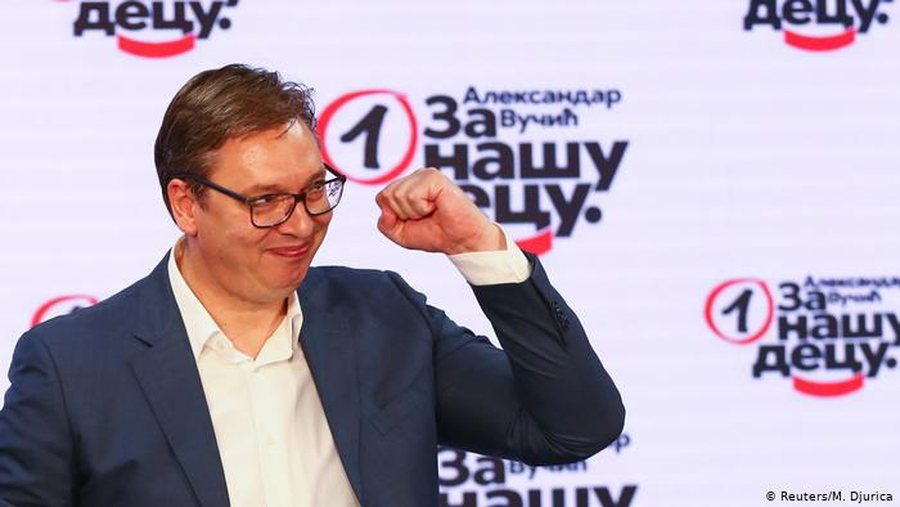
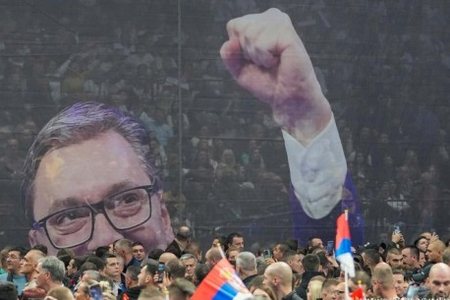
The president of Serbia, Aleksandar Vučić, has created an unfair electoral system that favors him, says Daniel Serwer, a professor at the American Johns Hopkins University, in an interview with Radio Free Europe.
Preliminary data from the December 17 election show that the Serbian Progressive Party, until recently led by Vučić, won the majority.
The opposition list "Serbia against violence" has, meanwhile, requested the cancellation of the elections in Belgrade, claiming that there were irregularities.
Commenting on Vucic's victory in relation to Kosovo, Serwer says that the result "is not a good sign" for relations between the two countries.
"I don't see any sign that Vucic is ready for a serious change in terms of relations with Kosovo. On the contrary, he has gone in the opposite direction. He again calls for the establishment of Serbia's sovereignty. It disputes the importance of the March and February agreements [the Ohrid Agreement and its Implementation Annex], which the US and the EU say are legally binding," Serwer told REL.
Radio Free Europe: Both domestic and international opinion has described the elections in Serbia as a referendum on the leadership of President Aleksandar Vučić. So what does their result show? Vucic's Serbian Progressive Party, even after ten years in power, has won the majority in Parliament.
Daniel Serwer: Well, he won his referendum. There is no doubt about it.
Radio Free Europe: Did you expect this result?
Daniel Serwer: Yes, I have waited. I don't think he would have announced early elections if he didn't expect victory. He has moved both himself and the party to the right. It has "swallowed" many right-wing forces. He used the Government as a cover to strengthen his voice. It has created a free but not fair electoral system - which favors it.
Radio Free Europe: Does this result change anything in Serbia, not only internally, but also in foreign policy relations with Russia and the EU?
Daniel Serwer: I don't expect anything to change. In recent months, Vucic has been extremely supportive of Moscow and Beijing. His best friends these days are autocrats. He wants to be like that too. He is the autocrat, voted in, with no serious competition in sight.
Radio Free Europe: When you say that Serbia is an electoral autocracy, would Western governments agree with you? We have not heard them say that Serbia is an electoral autocracy.
Daniel Serwer: To be clear, these are not the first free but unfair elections in Serbia. They have taken place under strict media control by the ruling party, using state resources, transporting people - who I hope had the right to vote - on buses from Bosnia and Herzegovina.
This is not how fair elections are made. There are many abuses that have already been documented and I expect more. But I don't know anyone in Washington today who would call Serbia a democracy.
"Serbia is not close to the EU"
Radio Evropa e Lire: But Vucic also says that his party is very committed to the European path, that Serbia is a serious candidate for membership in the European Union. How do you read these messages?
Daniel Serwer: First of all, I think what these messages are worth - which means very, very little. He [Vucic] has been in power for a long time and has not brought Serbia closer to the European Union.
In fact, he has defied the European Union - not only by opposing sanctions against Russia, but also on many other issues, including the recently reached agreements with Kosovo, which Prime Minister Ana Bernabić denies that Serbia is respecting.
So you can say you are for the EU, but you also have to act that way, and Vučić is not doing that.
Radio Free Europe: Can we expect some kind of signal, pressure from Brussels on the next Government, to be clearly oriented by the EU?
Daniel Serwer: I don't expect much from Brussels, because Serbia and Hungary - which is in the EU and whose leader [Viktor] Orban, Vucic is friends with - have one thing in common: they are led by autocrats. I don't expect that the EU will reach a consensus on anything that could put pressure on Serbia.
I hope the United States is different. If we go back to the events of September 24 - the rebellion in northern Kosovo that was apparently orchestrated by Belgrade - I would expect the United States to react to that.
However, so far they haven't and I'm not sure they will. They see no alternative for Vucic.
There is no immediate alternative to Vucic, but I think the US would benefit much more from Serbia if it took a tougher stance, rather than continuing to coddle it.
How will the West react to the elections?
Radio Free Europe: What reaction do you expect from Washington?
Daniel Serwer: I don't know what to expect. You know these are obviously not fair choices and he should say so.
He should be much tougher on Serbia when it comes to the events of September 24 [in Banjska]. He should tell Vucic that, if he wants [former Lista Serb vice president] Millan Radoicic to be responsible for those events, then he should hand him over to Kosovo for trial.
Ai duhet të jetë shumë, shumë më i ashpër ndaj Serbisë, por deri më tani nuk ka qenë. Dhe, nuk shoh asnjë shenjë se ai do të ndryshojë mendje. Unë mendoj se ai, thjesht, do të vazhdojë të shtiret.
Radio Evropa e Lirë: Ditëve të fundit, Beogradi ishte i vendosur që Radoiçiq të mos ekstradohet në Kosovë me asnjë kusht...
Daniel Serwer: Nëse ju [Serbia] pretendoni se Kosova është territor i juaji, ndërsa krimi ka ndodhur në Kosovë, atëherë duhet të jeni të gatshëm që ta dërgoni Radoiçiqin në Kosovë. Për Serbinë nuk do të ishte ekstradim.
Çështja është që të dërgohet tek organet kompetente të drejtësisë. Autoritetet e Kosovës kanë ekzistuar edhe përpara [pavarësisë]. Nuk është se Kosova nuk ka pasur parlament, gjyqësor dhe polici në të kaluarën. Këto institucione duhet të trajtohen me respekt. Dhe, prandaj, gjyqi duhet të mbahet atje. Por, askush nuk këmbëngul në këtë.
Të gjithë kanë shumë frikë se ai [Vuçiq] do të bjerë në krahët e [presidentit kinez], Xi Jinping, dhe të [presidentit rus] Vladimir Putin. Por, fakt është se ai tashmë është në krahët e tyre.
Cila është sfida e parë për Qeverinë e re?
Radio Evropa e Lirë: A e shihni këtë kërkesë për ekstradim si sfidën e parë për Qeverinë e ardhshme të Serbisë?
Daniel Serwer: Unë nuk do ta dija këtë. Por, për mua kjo është një çështje e thjeshtë. Krimi ka ndodhur në territorin e Kosovës. Në Kosovë ka autoritete të njohura nga Serbia përmes Marrëveshjes së Brukselit të vitit 2013, e cila kërkon edhe formimin e Asociacionit të komunave me shumicë serbe.
Pra, nëse e doni Asociacionin, ju duhet t’i përmbushni detyrimet e juaja sipas marrëveshjes së 2013-ës. E, kjo do të thotë që Radoiçiq të gjykohet nga autoritetet kompetente në Kosovë.
Marrëveshja është absolutisht e qartë, se sistemi gjyqësor i autoriteteve në Prishtinë vlen në tërë territorin e Kosovës.
Radio Evropa e Lirë: Kur jemi të marrëdhëniet ndërmjet Serbisë dhe Kosovës - sipas jush, a do ta përshpejtojë marrëveshjen përfundimtare mes tyre ky rezultat i Partisë Përparimtare Serbe, apo do të vazhdojë trendi aktual?
Daniel Sewer: Nuk shoh asnjë shenjë se Vuçiq është gati për një ndryshim serioz sa u përket marrëdhënieve me Kosovën. Përkundrazi, ai është nisur në drejtim të kundërt. Ai sërish bën thirrje për vendosjen e sovranitetit të Serbisë. Ai e kundërshton rëndësinë e marrëveshjeve të marsit dhe shkurtit [Marrëveshjes së Ohrit dhe Aneksit për zbatimin e saj], të cilat SHBA-ja dhe BE-ja thonë se janë ligjërisht të detyrueshme.
Është e vërtetë se Brukseli po ua shton dispozitat e atyre marrëveshjeve kushteve për hyrjen e Serbisë në BE, por Vuçiq nuk është serioz sa i përket anëtarësimit në BE. Kështu që nuk do të ndryshojë shumë. Mendoj se ky [rezultati] nuk është një shenjë e mirë për marrëdhëniet me Kosovën.
Një opozitë “e turpshme” pro-evropiane
Radio Evropa e Lirë: Forca e dytë më e madhe në Parlamentin e Serbisë pritet të jetë lista opozitare pro-evropiane “Serbia kundër dhunës”. Sipas vlerësimeve të para, ajo do t’i ketë 64 mandate në Parlament. Deri në çfarë mase mund të jetë korrigjuese ndaj Partisë Përparimtare Serbe?
Daniel Serwer: Mendoj se është shumë e rëndësishme që ata të jenë në Parlament. Më lejoni të jem absolutisht i qartë: ata nuk i bojkotuan zgjedhjet. Bojkoti është pothuajse gjithmonë gabim.
Ata e kanë kuptuar se zgjedhjet do të ishin të lira, por jo të drejta, dhe ia kanë dalë mjaft mirë në këto rrethana. Nuk mendoj se do të ishte e arsyeshme të pritej nga ta që të dilnin më mirë.
Opozita në parlament luan rol të rëndësishëm dhe shpeshherë përgatit rrugën për qeverisjen e ardhshme.
Prandaj, ata duhet ta kuptojnë seriozisht rolin e tyre opozitar dhe të fillojnë të mendojnë se çfarë duan të imponojnë si program të Qeverisë së ardhshme.
Sinqerisht, ata kanë qenë të turpshëm deri më tani. Nuk kanë pasur shumë ide të reja. Platforma pro-evropiane nuk është më edhe aq ide e re.
Radio Evropa e Lirë: Pse e konsideroni si opsion të turpshëm politik?
Daniel Serwer: Ata, sigurisht, janë shumë të turpshëm sa i përket Kosovës.
Ata nuk duan të thonë asgjë që do të sugjeronte se kanë një marrëdhënie më të butë ndaj Kosovës dhe se duan marrëveshje reale me Kosovën.
Ata duhet të mendojnë nëse është vërtet gjë e zgjuar të bëhet kjo ose jo.
Ata janë, gjithashtu, të turpshëm sa u përket çështjeve ekonomike, harmonizimit në nivel ndërkombëtar, problemit të dhunës - çfarë do të bënin në të vërtetë sa i takon çështjes së dhunës dhe kulturës së dhunës në Serbi?
Serbia e sotme është autokraci. Nuk ka qenë dhjetë vjet më parë, por sot është - autokraci zgjedhore. Por, ende i ofron disa mundësi për efektivitetin e opozitës. Do të doja të shihja nëse ato shfrytëzohen ose jo.
Vuçiq ka të drejtë të festojë, të kënaqet për një rezultat të fuqishëm. Por, opozita mund të jetë krenare për atë që ka arritur. Dhe, tani, ajo duhet të dëshmojë se është e aftë për të prezantuar një platformë që do të ishte tërheqëse për qytetarët në zgjedhjet e ardhshme.
“Anim i fortë kah Rusia”
Radio Evropa e Lirë: Befasia më e madhe e zgjedhjeve është lista e udhëhequr nga doktor Branimir Nestoroviq, i njohur për teoritë e tij konspirative. Ai do të jetë për herë të parë në Parlament. Përfaqëson një ideologji të ekstremit të djathtë, është pro-rus, lista e tij përfshin Dragan Stanojeviqin - pak i njohur në Serbi, por i përshkruar si një lojtar jashtëzakonisht pro-rus, i cili është nën sanksionet e Ukrainës. Sa rëndësi i kushtoni hyrjes së kësaj liste në Parlament?
Daniel Serwer: Mendoj se i reflekton ndjenjat e djathta të një pjese të mirë të qytetarëve. Dhe jo vetëm për shkak të lidhjeve historike dhe kulturore me Rusinë, por edhe për shkak të mjedisit mediatik që e fajëson NATO-n për luftën në Ukrainë, që e favorizon Vladimir Putinin në çdo hap.
That's what you get when you lean towards Russia: people who love Russia, even after it conquers another country.
The logic in this situation would be completely opposite - that Serbia would be offended by the Russian invasion of Ukraine, but it is not so.
Maybe Serbia has voted against Russia in some trivial resolutions of the United Nations General Assembly, but we know very well that, basically, Aleksandar Vučić is in line with Putin and Chinese President Xi.
"Vucic has taken both the pro-Russian and pro-European space"
Radio Free Europe: Did you expect a better result from the pro-European forces in Serbia?
Daniel Serwer: I don't think I expected much better results. I knew Vucic would win. He has managed to get the space both pro-Russian and pro-European, although he is much closer to the pro-Russian direction than the pro-European one.
No one should be fooled. Serbia will not join the EU soon, because Vucic has done nothing to prepare the country for EU membership. And, as long as the current policy on Kosovo is in place, Serbia will not enter the EU - that much is clear.
Vucic understands this and knows that EU membership is not going to happen anytime soon.
He simply wants to get that political space. He doesn't want to give it to anyone else. So he makes a lot of statements that are pro-European and then does nothing about it.
"Dacic is not politically independent"
Radio Free Europe: Is the poor result of the Socialist Party of Serbia - the former coalition partner of the Serbian Progressive Party - led by the head of Serbian diplomacy, Ivica Dacic, a surprise?
Daniel Serwer: I think the success of this second pro-Russian option is part of the explanation. He [Ivica Dacic], in my opinion, is not a serious political force in Serbia. It invests in the ruling party. His party has a historical background but no real political independence. He really is like Vuçiqi, only with a different mask, with a different face.




Lini një Përgjigje