


 Shkruar nga Pamfleti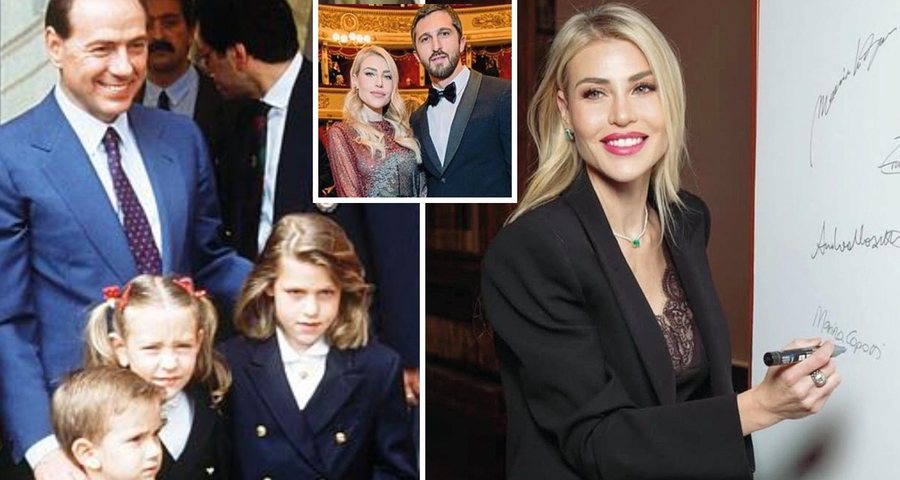
Babara Berlusconi, the eldest daughter of former Italian Prime Minister Silvio Berlusconi, has shared her experiences between family life and institutional commitments. As a mother of five, she spoke openly about her life and role in an interview with "Corriere della Sera".
Did motherhood play a key role?
“Of course, as a mother, I am very present, even though I have help and I know how privileged I am. Not wanting to give up my interests and work completely, I sought a balance. The natural choice was to significantly reduce my social life. I almost never go out in the evening. I put the children to bed, take them to school and help them with their activities. At first, I tried to do everything, but then I realized that it was not possible. For a few years, I even gave up working. When I left AC Milan, I had two children, one after the other, in the space of fifteen months. For a few years, I simply stopped. I was used to having full days, but finding myself trapped at home with four children was a shock. I had always wanted to have a family, but I had never imagined it would be so big… People often tell me that I was brave. I answer that I was reckless.”
Do you consider yourself a feminist?
"No, but I believe deeply in equal opportunity, both culturally and practically. That's the real problem, not the label."
Women you admire?
"Giorgia Meloni. She is the first female prime minister of Italy. I respect her on a personal and professional level. Then, Malala Yousafzai of Pakistan, the youngest winner of the Nobel Peace Prize."
Your first happy memory?
"It's hard to give an answer, with children, it's the emotions that remain more than the images. I have the memory of a peaceful family. My mother was so present and gave us security. I'm really grateful for that. And then there was my father, who often left for work. When he came back, those moments were filled with great joy. I remember summer, at the seaside. He usually came on Saturday afternoons around three o'clock. My mother would get us ready, dress us elegantly, with ribbons in our hair, all clean and tidy. She would take us as we were and throw us in the pool. But he would jump in too. In a suit and tie. I have photos of him like that, dressed in a suit in the pool with us. My mother had a great time."
Your father's death was a very public event. How did you cope?
“Edhe pse na ishte thënë shumë kohë më parë se shëndeti i tij ishte i kompromentuar, unë luftova emocionalisht për muaj të tërë për ta pranuar. Kur ndodhi, ishte traumatike. Pavarësisht dhimbjes së madhe, ishte gjithashtu një rizbulim. Një ditë shkova ta vizitoja dhe ai tha: ‘Barbara, kam një ide. Merr një stilolaps dhe letër.’” Ai donte që unë të zhvilloja një projekt restoranti të bazuar në kuzhinë të shëndetshme. Më kërkoi të shkruaja gjithçka, ku dhe si do të ishin restorantet, organizimin, veshjet e kamerierëve dhe kamariereve. Ne shkruam menunë së bashku. Më shumë sesa receta të shëndetshme, ai renditi pjatat e tij të preferuara: mocarela bufalo me domate të freskëta, makarona me salcë domatesh, mollë të pjekura, akullore fior di latte… Nuk ishte një menu diete, ishte menyja e tij e preferuar. Babi nuk pushoi kurrë së planifikuari për të ardhmen.”
Le të kthehemi te sot, te Fondacioni që ai krijoi.
“Lindi në pranverën e vitit 2025 nga dëshira ime për t’i dhënë formë disa pyetjeve që më kanë shoqëruar prej vitesh dhe për të reflektuar mbi atë që do të thotë të edukosh, të transmetosh kulturë dhe të ndërtosh mendimin sot. Këtu lindin zgjedhjet e Fondacionit. Arsimi vjen i pari, me fokus në fëmijëri dhe adoleshencë. Ne vëmë në pikëpyetje përdorimin e mjeteve dixhitale, telefonave inteligjentë dhe mediave sociale dhe se si ato po ndikojnë në zhvillimin e fëmijëve. Dhe ne mbështesim organizatat që punojnë me vështirësitë në të nxënë, të tilla si DSA dhe ADHD, duke kërkuar dhe zhvilluar metoda që i ndihmojnë të rinjtë të studiojnë më qetësisht dhe në mënyrë efektive që të kapërcejnë pengesat që shpesh nuk kanë të bëjnë fare me inteligjencën apo talentin. Arsimi është themelor për mua: fëmijët dhe të rinjtë e sotëm do të formësojnë shoqërinë e nesërme.”
Jeni bashkëthemeluese e Galerisë Cardi dhe anëtare e paktit për Grande Brera. Çfarë mund të na thoni për këto?
“Arti është një gur themeli i Fondacionit tim. Ai u flet emocioneve të qenieve njerëzore dhe stimulon mendimin. Është një mjet i shkëlqyer komunikimi. Kjo është arsyeja pse vendosëm të mbështesim projekte si Grande Brera, një nga qendrat më të rëndësishme të artit në Itali. Dhe fillimi në Milano ishte një përshtatje e natyrshme.”
Si i qaseni politikës?
“Me shumë respekt. Kam idetë e mia, dëgjoj, informohem dhe pastaj nxjerr përfundimet e mia. Ndihem thellësisht liberal dhe besoj në një shtet që i shërben popullit. Një shembull negativ? Covid: një katastrofë menaxhimi.”
A ju është kërkuar ndonjëherë të kandidoni?
“Është folur për këtë ndonjëherë. Arsyetimi është hartuar nga të tjerë, jo nga unë. Por unë nuk do ta bëj. Është një përgjegjësi e madhe, nuk është një garë stafetash. Të mendosh se mund të futesh vetëm për shkak të mbiemrit tënd nuk ka kuptim.”
A shihni ndonjë trashëgimtar të Silvio Berlusconi-t?
“Jo, jo për momentin. Të paktën jo me atë lloj vizioni.”
A ka ndonjë gabim që ia atribuoni babait tuaj?
“I can answer you the way he did: I'll think about it. Jokes aside, he and I argued a lot, even when I was a kid. But it was impossible to really argue.”
Speaking of debates, many have wondered how you managed to handle the issue of inheritance between you, brothers and sisters, without breaking up the family unit?
“I understand that from the outside it may seem surprising, but we are a real family. When our father passed away, it was natural for us to support each other, even in our grief. In the days after his death, we spent a lot of time together, the five of us, even with our children. We became even closer. My father always instilled in us very strong values: family, brotherhood. Sunday lunches were sacred. When you lose a father and have brothers with whom you shared your life, the natural instinct is unity, not separation.”
What has changed in your self-perception compared to a few years ago?
“As a young girl, I had more insecurities. As I grew older, I found an inner strength that was also reflected in the way I see myself. I went through difficult times. Ten years ago, I fell into a serious depression that lasted for a long time.”
And when did you realize you needed help?
"At a certain point, I forced myself to do it. I did a lot of therapy. For a long time, I didn't understand it. Then I started observing my habits, my way of being, and I decided to go deeper to understand where this deep struggle was coming from.
I found out I have ADHD, a neurodevelopmental disorder. As an adult, it was hard to accept, but also liberating. Naming things changes everything. So it wasn’t my fault, it wasn’t a lack of willpower… I just have a different mindset where time, organization, and focus work differently. Being a mother has helped me, especially because one of my children has similar struggles. That’s why I told myself that I had to understand myself first to really help him. And I finally stopped blaming myself and found strategies. For example, now I’m ten minutes late, not an hour. Don’t you think that’s a small success?”



Lini një Përgjigje