


 Shkruar nga Pamfleti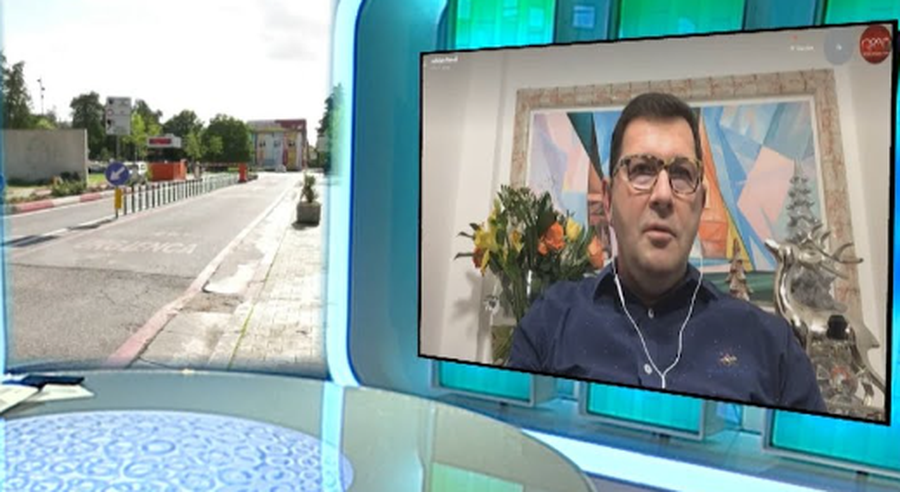
Dr. Adrian Fandi, emergency physician, has spoken about the consequences of the use of nitrogen nitrite, otherwise known as laughing gas, on the nervous system.
Invited to "Top Story", Fandi stated that a study of 15 neurologists in England requires the ban of this gas because the side effects in patients attending the Emergency Service are increasing and with neurological symptoms.
"After using the gas, the patients are not able to walk, they have problems with consciousness and then continue with vomiting. But there have also been cases of pseudoepilepsy, accompanied by body tremors. This is because this gas acts on the central nervous system. Its effects include headaches, vomiting and hallucinations, where you no longer feel yourself in this world, but you look like a bird, as if you are going to fly," said the emergency doctor, not excluding suicides where users, unable to check yourself, with the idea that you will fly jump from a height.
Asked if the gas is addictive, Dr. Adrian Fandi denied any such thing, explaining that the reason people use it despite the neurological problems it causes is because it makes them happy.
Excerpts from the studio conversation:
Fandi: I am an emergency physician and worked for almost 10 years in the UK. In the last three years, I have also opened a private clinic, where I serve the Albanian community. In the Emergency Service, cases of the use of nitrogen nitrite, or laughing gas, have increased in recent months, it is a gas that has major side effects in the neurological part. I also rely here on a report that the BBC published on a study of 15 neurologists in England, which talks about stopping this gas because the side effects in patients who attend the Emergency Service are increasing and with neurological symptoms.
When we talk about neurological symptoms, the patients after using the gas are not able to walk, they have problems getting the mind and then continue with vomiting. But there have also been cases of pseudoepilepsy, accompanied by body tremors. This is because this gas acts on the central nervous system. Its effects include headaches, vomiting and hallucinations, where you no longer feel yourself in this world, but look like a bird, as if you are about to fly, and there may be some unfortunate incident that...
Duma: Is this gas addictive?
Fandi: No, it is not addictive but they still use it because they feel happy.
Duma: Is this gas addictive?
Fandi: No, it does not create addiction, but it creates neurological problems for patients.
Duma: E kam fjalën, në rast se e përdorin njëherë dhe nuk hasin këto probleme, a e kërkojnë sërish?
Fandi: E kërkojnë sërish sepse e ndjejnë veten të lumtur, ky është problemi i këtij gazi. Si të gjitha drogërat e tjera…
Duma: E ke dëgjuar në Tiranë?
Mane: Po është e dëgjuar, por gazi për të cilin flet doktori është përdorur edhe nga stomatologët përpara 15 vitesh, para se të kryeje një procedurë, me qëllim që të mos ndjeje dhimbje apo të ishe më i çliruar. Pastaj u bë komerçial dhe doli në shitje. Mirëpo, ajo që më shqetëson është se doktori flet për Britaninë. Doktor, mbaj mend që kur isha në Londër kishte debate të shumta sepse në javë shiteshin rreth 2 milion tableta ekstazi. Pra bëhet fjalë për një vend me popullsi 65 milion banorë. Sot Britania është bërë një nga lokomotivat e përdoruesve në masë.
Humanity has gone through many problems. We came out of the pandemic, we have the war in Ukraine, the increase in prices. We must also analyze the psychological part. No one takes drugs because they are happy.
Fandi: Gas is medical gas, not recreational gas. We also use this in the hospital, but mixed with oxygen under medical control, and the patient must be monitored.







Lini një Përgjigje