


 Shkruar nga Pamfleti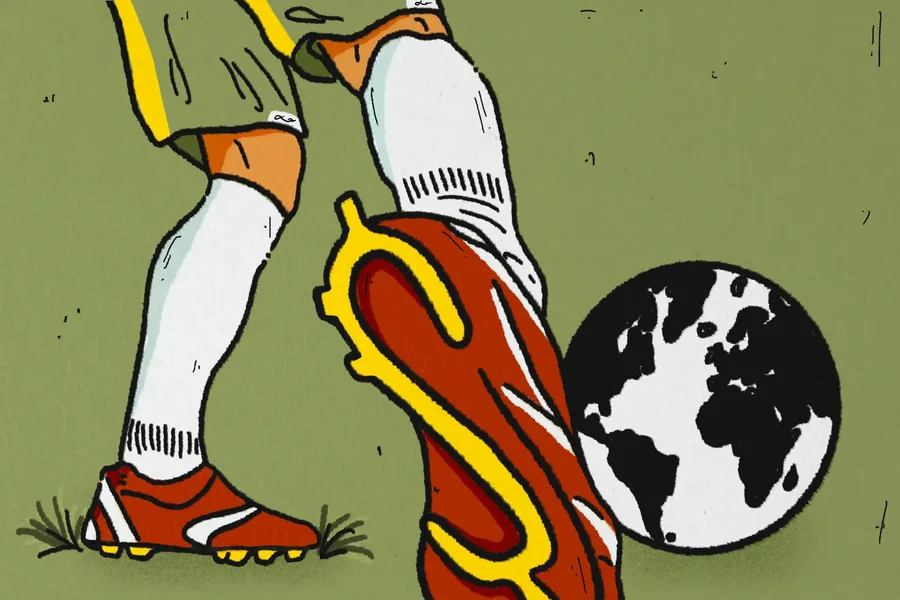
In November, FIFA, football's international governing body, announced that it would award the Peace Prize for the first time in the 2026 World Cup draw.
Almost the entire internet quickly concluded that Donald Trump would be the winner. A few weeks later, international soccer star Cristiano Ronaldo joined Trump for a state dinner with Saudi Crown Prince Mohammed bin Salman. And last week, during a complicated and messy drawing ceremony that ended with a half-hearted rendition of “YMCA,” FIFA actually presented Trump with the award, praising him as “a leader who cares about the people.” Days later, U.S. prosecutors dropped charges in a criminal case related to FIFA’s 2015 corruption scandal.
When this whole football love-fest started at the White House a month ago, I had just finished rereading the book "how football explains the world."
Published in 2004, Franklin Foer’s bestseller used the beautiful game to explain the nature of globalization as it appeared at the time. Foer traveled the world, watching matches, interviewing supporters, and weaving it all into a story about where the world was headed. In Foer’s account, soccer represented a range of responses to the seemingly inevitable rise of Western free-market liberalism. Among the genocidal fans of Serbia’s Red Star Belgrade, soccer represented the atavistic Balkan tribalism that thwarted the peaceful promise of globalization. Among the Iranian women who sneaked into soccer stadiums, the game reflected their desire for “the advanced, capitalist, non-Islamic West.”
Yet two decades later, sport seems to reflect a decidedly darker side of globalization. The last two World Cups, in Russia and Qatar, were marred by a mix of bribery and forced labor. Watching the world's most famous footballer appear in the White House alongside two global icons of corruption and authoritarianism, I couldn't help but think that football still has some explaining to do.
Foer visited various countries around the world; spoke to supporters, players, and club officials; and painted vivid pictures of how identity issues play out in a footballing context. And as a travelogue, it remains a hugely entertaining read.
The characters he followed come alive on the page, and he captures the complexities of their loyalties and passions well. In his chapter on the Catholic-Protestant rivalry between Glasgow’s two biggest clubs, he takes the ferry to Belfast after a Celtic-Rangers match with a crowd of drunken Northern Irish fans of both teams. In this moment, he shows how the Glasgow football rivalry is less a Scottish thing and more representative of the fiery animosity in Northern Ireland.
The book is nominally about the world, but ultimately about the West. Each chapter or case study either takes place in the West or examines other parts of the world from a Western perspective. In that sense, it feels very much of its time. One chapter follows a Nigerian player playing in the Ukrainian league. Foer visits his apartment in Lviv and analyzes the cultural adjustments, the food, and the cold winters. This raises an interesting question: how did a farmer’s son from southeastern Nigeria end up in Ukraine? Foer explains the machinations: a local agent in Nigeria promised him a French club but was taking money behind his back, so his move to Europe was delayed and initially ended up in Moldova.
Here, more than anywhere else in the book, the power dynamics of world football loom large, and Foer almost completely ignores them. The late 1990s and early 2000s saw Nigeria burst onto the world football scene. So why were its players eager to move to even the smallest European leagues in countries whose national teams could never compete with Nigeria's?
Again, the answer lies in Foer’s difficulty explaining much outside the context of the West. In the early 2000s, there were plenty of stories to tell about how globalization had shaped African football. A surprising influx of Chinese capital financed the construction of new stadiums across sub-Saharan Africa, often creating a link between oil-exporting countries and the country to which they sent most of their oil. Foer may have noticed how African players have been willing to go virtually anywhere outside their continent to make a living, not just in European leagues but also in Indonesia, the United Arab Emirates, Laos and China. There is an assumption that readers would automatically understand why a Nigerian would go to Tiraspol, Moldova, to play professional football, but this assumption rests on larger, longer-term, historical dynamics.
Ndër të tjera, Foer ishte në kërkim të autenticitetit, për të zbuluar se si mund të mbijetonte lokalja në mes të globalizimit. Në prolog, Foer pranon se priste të gjente "fuqinë e megamarkave si klubet Manchester United dhe Real Madrid, të mbështetura nga Nike dhe Adidas, duke i larguar tifozët nga besnikëritë e tyre të vjetra". Por ai është i lehtësuar kur zbulon se "homogjenizimi" i pritur i kulturës së futbollit nuk ishte aty.
Foer identifikon një shembull pozitiv në FC Barcelona, provë se pavarësisht frikës së tij, aspektet më të këqija të globalizimit mund të zbuten. Ai vlerësoi Barcën për "refuzimin e tyre të devotshëm për t'i kthyer fanellat e tyre në një tabelë reklamash", siç kishin bërë të gjithë rivalët e tyre globalë prej kohësh.
Por edhe këtu optimizmi i Foerit doli i gabuar. Në mesin e viteve 2000, sporti ishte në prag të një revolucioni. Ajo që ndodhi më pas në futbollin botëror ishte një përpjekje më e bashkërenduar dhe e përqendruar nga ana e klubeve të mëdha, kompanive të veshjeve dhe konglomerateve mediatike për t'u globalizuar në mënyrën më të keqe. Rezultati ishte një lloj monokulture futbolli e përqendruar rreth të drejtave televizive dhe markës globale që padyshim dobësoi ligat më të vogla në të gjithë botën në dobi të ligave të mëdha të Evropës, veçanërisht Premier League angleze.
Në 10 vitet pas botimit të librit, mega-markat shpërthyen. Rivaliteti Adidas-Nike, i nisur jozyrtarisht gjatë Kupës së Botës 1998 me sponsorizimin e Brazilit nga Nike, u përshkallëzua, ndërsa klubet më të mëdha evropiane garuan për tregje të reja të mundshme në Azi, Lindjen e Mesme dhe Amerikën e Veriut. Klubet filluan të planifikonin turne parasezonale në Tajlandë, Kinë dhe Pitsburg, ku mund të shisnin të gjitha biletat e stadiumeve, fanellat e ekipit dhe të rrisnin bazën e tifozëve. Disa vjet pas librit, Serie A italiane po luante finale kupash në Kinë, Arabinë Saudite dhe Katar; Superkupa Spanjolle tani është luajtur në Arabinë Saudite disa herë. La Liga (një nga ligat kryesore të Spanjës) madje u përpoq të organizonte një ndeshje të sezonit të rregullt këtë vit në Miami, përpara se kundërshtimi i trajnerit dhe lojtarëve ta prishte planin.
Edhe Barca e dashur dhe idealiste e Foerit nuk mundi t’i rezistonte kthesës komerciale. Deri në vitin 2010, edhe ata iu nënshtruan tundimit dhe që atëherë kanë pasur Qatar Airways, Rakuten dhe Spotify të stampuara në pjesën e përparme të uniformave të tyre të famshme me vija të kuqe dhe blu. Si pjesë e asaj marrëveshjeje me Spotify, logoja e gjuhës së Rolling Stones u shfaq në fanellat e tyre dy vjet më parë; këtë vit , ishte emri i albumit të fundit të Ed Sheeran.
Me 20 vjet retrospektivë, libri i Foer-it tani funksionon më së miri si një dokument burimor parësor i një dritareje të shkurtër kohore kur xhaxhai i të gjithëve po lexonte Fukuyama-n dhe Friedman-in. Ishte një kohë marramendëse kur kërcënimi i vetëm i vërtetë dhe i dukshëm për një rend botëror neoliberal dukej të ishte atavizmi dhe ballkanizimi. Kështu që Foer iu drejtua disa prej rivaliteteve dhe grupeve të tifozëve më unike të futbollit, identitetet e të cilëve shpesh antagoniste ishin formuar dekada, nëse jo një shekull, më parë. Si rezultat, nuk është çudi që problemet që Foer analizon ndihen më pak të rëndësishme sot. Ato nuk janë zgjidhur domosdoshmërisht, por janë zëvendësuar nga ndryshime më të reja dhe më të mëdha, si zgjerimi i perandorisë së FIFA-s dhe zvarritja autokratike që e ka lehtësuar atë.
Në kapitullin e tij për Iranin, Foer i referohet reklamave në anë të fushës gjatë një ndeshjeje të Kupës së Botës për PlayStation, Doritos dhe Nike, të cilat autoritetet iraniane nuk mund t’i censuronin në transmetim, si tundimi përfundimtar për iranianët. A mund të ketë një vendim më të hershëm? A kërkuan iranianët që gratë të lejoheshin në stadiumet e futbollit për shkak të dëshirës së tyre për ranch të lezetshëm? Nuk është ndonjë kalim i madh nga kjo logjikë në mbështetjen e Foer për pushtimin e Irakut në vitin 2003, në të cilin premisa e tij themelore ishte se populli irakian meritonte më mirë (sado e vërtetë) dhe do t’i mirëpriste forcat amerikane si çlirimtare.
Futbolli mbetet një fenomen gjeopolitikisht i gjithanshëm. Por përdorimi i tij për të kuptuar botën e sotme kërkon një pikëpamje dukshëm më cinike të rolit të parave në gjeopolitikë sesa ajo që ishte popullore në fillim të viteve 2000.
Ky është përfitimi i librit më të fundit të David Goldblatt, Epoka e Futbollit. Goldblatt ilustron me kujdes se si sasia masive e pasurisë në një grusht ligash ka thithur lojtarët dhe trajnerët më të mirë nga ligat më të ulëta në të gjithë botën, duke e bërë produktin vendas shpesh shumë më pak të shikueshëm sesa Premier League ose La Liga. Pjesëmarrja në ligat lokale është e ulët sepse ka produkte më të mira në dispozicion diku tjetër, dhe ndjenja e vendit dhe komunitetit që këto liga kanë nxitur po venitet.
In Goldblatt’s account, football reveals “the Faustian bargain that all modern societies have made with the forces of money and power.” Nowhere is this more evident than in the aggressive whitewashing of sports by the Saudis, Emiratis, and Qataris. By hosting numerous international competitions and investing heavily in famous European clubs, they have successfully cultivated a more positive global public image. The 2022 FIFA World Cup in Qatar saw hundreds, if not thousands, of migrant workers, mostly from South Asia, die building new stadiums for the tournament. FIFA has been happy to play along, to the point where it now has to clean up the mess of its complicity in the whitewashing of sports. The result has been a series of general public campaigns on concepts such as indigenous rights, gender equality, and ending violence against women.
Of course, Trump’s newest aide, Ronaldo, is the model of “sportswashing.” He shocked the world when he signed with the Saudi professional league in 2022, giving it the legitimacy it craved in exchange for an unprecedented total compensation of 200 million euros per year. FIFA has already awarded the 2034 World Cup to Saudi Arabia after a surprisingly uncompetitive bidding process that essentially ensured the Saudis would win.
Perhaps it is time for Foer to write a sequel in this vein. He could examine the networks in Africa that help funnel players from small village clubs to Europe’s wealthier teams, as well as small clubs in Vietnam and Albania. Or Foer could examine how the clubs he visited in the 1990s, such as Chelsea and Tottenham, have become major global brands with huge followings in Asia and North America. If hooliganism has subsided, it may be because tickets are now too expensive for ordinary fans, violent and law-abiding alike.
Foer’s instinct to bring to life the everyday characters who support teams and run clubs was spot-on. There were, and are, so many stories to tell. But the capitalist West can’t always be the star. /Adapted from Foreign Policy/


Lini një Përgjigje