


 Shkruar nga Alexander Howard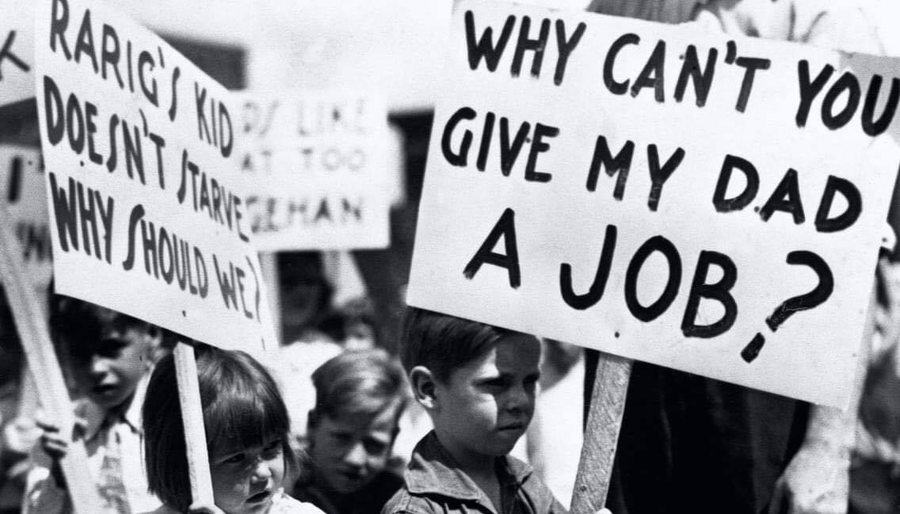
Come specie, noi umani sembriamo completamente incapaci di imparare dai nostri errori, figuriamoci da quelli degli altri.
Winston Churchill era appena arrivato a New York. Era il 6 ottobre 1929. In viaggio con diversi membri della sua famiglia, lo statista britannico prese alloggio al Plaza Hotel, sinonimo di ricchezza e fama e certamente non economico. Ma questo non lo turbò.
Perché il costo del suo soggiorno, insieme alle sigarette e al whisky, fu coperto dal suo vecchio amico, il finanziere Bernard Barush.
Dopo otto settimane di viaggio attraverso il Nord America e dopo aver avuto contatti con i suoi amici d'affari, non c'è da stupirsi che Churchill sia stato "colpito dalla febbre del mercato azionario", scrive il giornalista Andrew Sorkin nel suo sorprendente nuovo libro, "1929: The Untold Story of the Greatest Stock Market Crash in Wall Street History".
Il suo resoconto si basa sulla descrizione delle condizioni negli Stati Uniti nelle settimane precedenti il crollo di Wall Street dell'ottobre 1929. Il primo giorno di vero panico, il 24 ottobre, noto come Giovedì Nero, arrivò poche settimane dopo la visita di Churchill. Quel giorno furono scambiate in borsa la cifra record di 12,9 milioni di azioni, segnando l'inizio della crisi.
In soli due giorni, 30 miliardi di dollari del valore complessivo del mercato azionario sono scomparsi. La pubblicazione di questo libro sembra essere arrivata al momento giusto: molti analisti stanno tracciando parallelismi tra il 1929 e il periodo attuale.
"L'economia degli anni '20 prosperò in un periodo in cui l'America si stava riprendendo da una pandemia mortale, l'influenza del 1918 ", ha scritto il mese scorso sul New York Times William A. Birdish, ex direttore della gestione degli investimenti presso la Securities and Exchange Commission degli Stati Uniti.
"I titoli azionari di automobili e telefoni cellulari sono gli investimenti tecnologici in più rapida crescita del momento. Due di questi sono Tesla e Apple", aggiunge. E si pensi all'enorme entusiasmo che circonda l'Intelligenza Artificiale.
Michael Berry, reso famoso da "La grande scommessa" per aver fatto soldi durante la crisi finanziaria del 2008, "ha annunciato che avrebbe venduto le sue azioni in Nvidia e Palantir e ha messo in guardia contro una bolla dell'intelligenza artificiale, prima di chiudere bruscamente la sua società di investimento, Scion Asset Management", ha riportato la scorsa settimana il quotidiano britannico The Guardian.
Jamie Dimon, presidente e CEO del colosso bancario di Wall Street, JPMorgan Chase, ha recentemente previsto una grave correzione del mercato nei prossimi 6 mesi-2 anni. Nel frattempo, i vertici continuano a rimpinguare le casse e ad agire come se nulla fosse successo.
Dallo sviluppo alla povertà
In October 1929, “ Churchill saw a good opportunity to make money in Canada and the United States, and everywhere, it seems,” Sorkin writes. This is confirmed by a cable he sent to his wife. He wrote, among other things: “There is a stock exchange in every big hotel. You go and sit there and see the figures being written on the boards every few minutes .”
Speculation on the stock market had permeated everyday life. Finance was no longer a fanatically guarded property of bankers and brokers. It had become almost a national pastime.
The noise of the stock exchange's recording equipment could be heard in all the hotel lobbies and restaurants.
Easy, fast, and seemingly endless credit was available to anyone with a pen. Buying and selling stocks had become almost routine, and ordinary Americans accepted the idea that the market's dizzying ascent would continue forever; that the good times of the roaring 1920s would give way to the equally prosperous 1930s.
But within weeks of Churchill's visit, the collective fantasy of what we would now characterize as an irrational euphoria would collapse like a house of cards. The bright, vibrant world he loved so much would give way to years of mass unemployment, long bread lines, and slums.
Churchill, a tireless marketer, lost a considerable sum of money. But born into wealth and privilege, he managed to weather the storm that followed. But many ordinary Americans, who had essentially been fooled into believing that the boom would only continue, were not so lucky.
Large parts of the population remained completely poor. America was transformed from a nation intoxicated by the dream of perpetual prosperity, into a nation facing the nightmare of the most severe economic crisis in history, the consequences of which were felt across the globe.
It's impossible to deal with Sorkin's painstaking reconstruction of those hectic weeks without thinking about present-day times.
How did the stock market collapse happen?
The year 1929 brought major disagreements between brokers and policymakers, frantic efforts to keep the "economic ship" in a calm state, and mistakes that helped bring down the entire financial system.
"Gradually and then suddenly ," is how the famous writer Ernest Hemingway described the bankruptcy process.
This phrase can easily be reused to refer to the events of 1929. Stock prices had risen to dizzying levels from uncontrolled speculation, mountains of borrowed money, and secret banking practices that encouraged people to spend more than they should by taking out loans.
Pasi besimi u lëkund, u kërkuan kreditë me diferencë (kredi që i lejojnë investitorët të blejnë aksione me para të huazuara, duke përdorur vetë aksionet si kolateral), duke i përshpejtuar më tej shitjet dhe duke shkaktuar një spirale të fortë rënëse, e cila nuk mund të ndalej.
Ajo që u shfaq, ishte një pamje që ndihet çuditërisht e njohur: një elitë financiare dhe politike e bindur se Rezerva Federale po tregohej shumë e kujdesshme, shumë ndërhyrëse dhe shumë e gatshme që t’ua prishte festën. Rezerva Federale, luan një rol vendimtar në rrëfimin e Sorkin, ashtu siç luan edhe sot.
Në vitin 1929, udhëheqësit e saj u gjendën të zënë midis presioneve konkurruese: nga njëra anë, financuesit që i nxisnin ata të lehtësonin kontrollet mbi kreditë dhe të vazhdonin spekulimet; nga ana tjetër, shenjat në rritje se tregu ishte mbinxehur në mënyrë të rrezikshme.
Sorkin i referohet paralajmërimit të dhënë më 2 shtator 1929 nga ekonomisti Roxher Babson, i cili argumentoi se disa tregues kyç sugjeronin se ekonomia amerikane po fillonte të binte, edhe pse çmimet e aksioneve arritën nivele të reja.
Ai theksoi se shifrat e prodhimit dhe të transportit të mallrave, kishin filluar të binin dhe numri i aksioneve në rënie po rritej ngadalë, një shenjë kjo e sigurt se forca e dukshme e tregut po maskonte një brishtësinë gjithnjë e më të madhe. Me sa duket, ky tension nuk është zgjidhur kurrë vërtet.
Duke lexuar këtë, mendova menjëherë për presionin që po ushtron aktualisht Donald Trump mbi Rezervën Federale. Ai i ka kërkuar vazhdimisht Rezervës Federale të ulë normat e interesit, e ka akuzuar udhëheqjen e saj për pengim të qëllimshëm të rritjes ekonomike dhe ka shprehur dëshirën për ta vënë sistemin nën kontrollin e tij më të drejtpërdrejtë.
Dhe ishte e vështirë të mos e vihej re simbolika, kur vetëm pak orë para se miliona amerikanëve në nevojë t’u hiqeshin ndihmat ushqimore, Trump organizoi një festë Halloëeeni me temë nga “Great Getsby” në rezidencën e tij në Mar-a-Lago. Ishte një homazh për epokën e teprimit, iluzionit dhe manisë spekulative që solli katastrofën e tetorit 1929.
Në vitin 2009, Sorkin botoi librin “Too Big to Fail” (Shumë i madh për të dështuar), një libër i ndërtuar mbi dëshmi të drejtpërdrejta nga figura kyçe brenda institucioneve të mëdha bankare dhe autoriteteve rregullatore në zemër të krizës financiare të vitit 2008.
Sipas fjalëve të vetë Sorkin, ai studim ishte “kronikë e një dështimi, që e gjunjëzoi botën dhe ngriti pyetje rreth vetë natyrës së kapitalizmit”.
Stuhia e re është pranë
Ashtu si financuesit e vitit 1929, baronët dhe mbështetësit e teknologjisë së sotme këmbëngulin sot se bumi i Inteligjencës Artificiale, përfaqëson një hap përpara që ndodh një herë në jetë: një inovacion kaq i rëndësishëm dhe transformues, sa që ai duhet të klasifikohet (përsëri) si shumë i madh për të dështuar.
These swindlers and their supporters are always ready and quick to calm the masses. Don't worry, they say. And don't ask too many questions. This is what we call a storm in the making. All of this reminds me of Marx's old adage about history repeating itself: first as tragedy, then as farce.
Tuttavia, riflettendoci un po' più a fondo, mi rendo conto che non mi sembra del tutto corretto, vista la frequenza con cui questi cicli si ripetono. L'epigrafe del 1929 sembra invece molto più pertinente: l'essere umano medio non vive abbastanza a lungo per trarre un beneficio significativo dalla sua esperienza.
E a quanto pare nessuno può trarre beneficio dalle esperienze altrui. Essendo sia padre che insegnante, so che non possiamo insegnare nulla ai nostri figli. Non possiamo trasmettere loro la nostra conoscenza della vita o della matematica. Ognuno deve imparare la propria lezione partendo da zero.
Queste parole appartengono ad Albert Einstein e sono tratte da un'intervista rilasciata al "The Saturday Evening Post".
Einstein parlava di genitorialità e matematica, non di mercati finanziari. Tuttavia, l'intervista fu pubblicata il 26 ottobre 1929, appena due giorni dopo il Giovedì Nero.
Oggi le sue parole hanno un'inconfondibile aria profetica. Ha ragione. Come specie, noi umani sembriamo totalmente incapaci di imparare dai nostri errori, figuriamoci da quelli altrui. Ed è difficile evitare la sensazione che presto potremmo essercene ricordati di nuovo. / Tratto da "Pamphlet", tratto da "The Conversation"






Lini një Përgjigje