


 Shkruar nga Pamfleti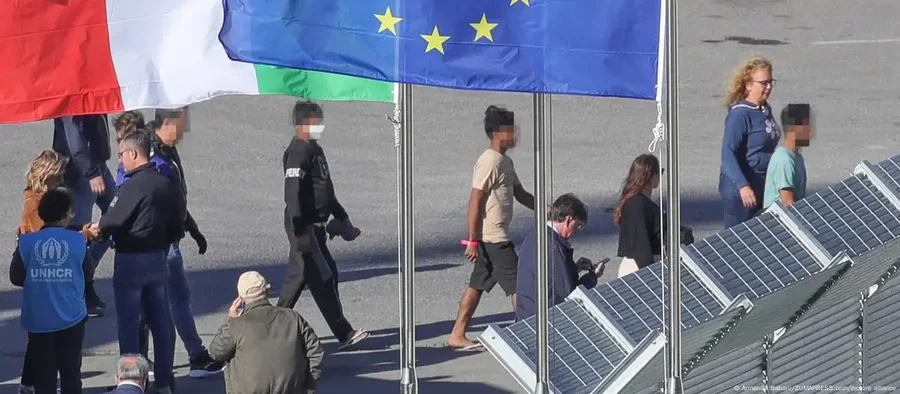
The Rome Court of Appeal ruled that migrants could not be held in Albania until the European Court of Justice in Luxembourg decides whether the asylum seekers' countries of origin are considered safe for repatriation.
A year after Albania's Parliament ratified the country's controversial migration center agreement with Italy, the two migrant detention centers built in Shëngjin and Gjadra are completely empty.
Everything has returned to normal in the village of Gjadër and the port city of Shëngjin in northwestern Albania.
Almost exactly one year from the day the Albanian parliament ratified the controversial migrant center agreement with Italy, no migrants are in any of the facilities built in Gjadra and Shëngjin.
The agreement signed by Italy and Albania in November 2023 and ratified by the Albanian parliament on February 22, 2024, provided for Italy to build migrant detention centers in Albania that would house up to 36,000 irregular migrants per year, while their asylum requests would be examined by Italy.
A series of obstacles for the Italian government
Since then, over 70 migrants – mainly from Africa and South Asia – have been transferred to Albania in three different groups.
The first ship, which had 16 migrants on board, was sent to Albania on October 16. All of them were returned to Italy after a court in Rome ruled that the transfer was illegal and that repatriating them to their countries of origin could violate international legal protections.
Two more transfers of migrants followed: A group of eight people was sent to Albania on November 8 and another group of 49 people on January 28.
In both cases, the Rome Court of Appeal ruled that the migrants could not be held in Albania until the European Court of Justice in Luxembourg decides whether the asylum seekers' countries of origin are considered safe for repatriation.
The European Court of Justice is expected to rule on this matter on February 25.
Observers have left Albania
Meanwhile, Italian officials and NGO experts monitoring the situation in Albania have already left the country "until further notice."
Francesco Ferri, a migration expert at ActionAid, has been part of a delegation monitoring conditions in Albanian centers since their creation.
“Delegacioni nga Tavolo Asilo e Immigrazione [një aleancë kombëtare e OJQ-ve dhe organizatave të shoqërisë civile që synon të mbrojë të drejtat e emigrantëve në Itali] ka kryer misione monitorimi në Shqipëri për të vëzhguar objektet e ngritura dhe kontekstin në të cilin ato funksionojnë”, tha ai për DW. “Momentalisht nuk jemi më në Shqipëri, por vazhdojmë të monitorojmë nga afër situatën nga distanca dhe jemi gati të kthehemi për aktivitete të mëtejshme vëzhgimi”.
Emigrantë 'të frikësuar, të hutuar dhe të çorientuar'
Të 73 emigrantët e transferuar në Shqipëri ishin përpjekur të arrinin në Itali ose Maltë me varkë nga Libia dhe, sipas Ferrit, kishin "frikë serioze se mos ktheheshin në vendet e tyre të origjinës".
"Ne takuam individë që ishin të frikësuar, të hutuar dhe të çorientuar", tha ai duke shtuar se "ata nuk kishin njohuri për procedurat, nuk ishin të përgatitur siç duhet për të aplikuar për azil dhe ishin në kushte izolimi. Situata e tyre tregon qartë se si modeli i Shqipërisë sjell një shkelje sistematike të të drejtave."
Sipas faqes së internetit Infomigrants, qeveria italiane tani po shqyrton planet për ripërdorimin e qendrave .
Një opsion që besohet të jetë në tavolinë është shndërrimi i qendrave në "objekte riatdhesimi". Megjithatë, duket se edhe ky plan do të përballet me kundërshtime.
Ferri është rreptësisht kundër një përdorimi të tillë alternativ. "Duhet refuzuar tërësisht", tha ai, duke sqaruar "pasi do të çonte në shkelje të mëtejshme të rënda të të drejtave të njeriut. Rreziku i stabilizimit dhe zgjerimit të këtyre strukturave mbetet real, veçanërisht nëse modeli i kontraktimit do të përsëritej diku tjetër. Analiza e rezultateve të tij deri tani tregon se mbyllja përfundimtare e këtyre qendrave është e vetmja alternativë."
Pavarësisht përpjekjeve të të dyja qeverive për ta bërë marrëveshjen të funksionojë, shumë ekspertë dhe parti opozitare në Itali kanë qenë kundër saj. Ata e konsiderojnë projektin një abuzim të të drejtave të njeriut dhe – me një kosto totale të vlerësuar prej 1 miliard euro (1.04 miliardë dollarë) – gjithashtu një humbje parash.
Elly Schlein, kreu i Partisë Demokratike të qendrës së majtë të Italisë, e ka përshkruar marrëveshjen si "një dështim të zhurmshëm", i bëri thirrje kryeministrit italian Giorgia Meloni të japë dorëheqjen dhe tha se modeli i qendrës së emigrantëve në Shqipëri nuk do të funksionojë kurrë.
"Shumë pak njerëz janë transferuar dhe të gjithë janë kthyer më pas në Itali", thotë ai. "Qendrat mbetën bosh për pjesën më të madhe të vitit dhe, gjatë periudhave operative, pritën vetëm një numër shumë të kufizuar individësh. Vështirësitë organizative, sfidat ligjore dhe konteksti politik kanë penguar zbatimin e saj [marrëveshjes] ."
Meloni i vendosur për ta bërë marrëveshjen të funksionojë
DW contacted the Italian government, asking for its assessment of the success of the agreement and whether it intends to reuse the centers. No response had been received by the time of publication.
However, speaking at an event with senior police officials just a few days ago, Meloni said that her government is determined to continue with the Italy-Albania agreement.
"We are committed to finding a solution to every obstacle," she said, adding that "Italian citizens are asking their government to stop illegal migration because it causes insecurity."
The agreement has been the subject of debate between the Albanian government and the opposition since the beginning. Indeed, the opposition Democratic Party of Albania has vowed that if it wins the parliamentary elections on May 11, "the contract with Italy will not be renewed."
A test case for Europe
Earlier this week, European Commissioner for Home Affairs and Migration Magnus Brunner met with Giorgia Meloni and discussed "the possible early adoption of the new concept of a safe country of origin".
Before traveling to Italy, Brunner told Italian media that the legislative package on migrant repatriations being considered by the European Commission would be "very ambitious" and would include "clear obligations on repatriations," "strict rules for those who represent a security threat," and a "more coordinated" framework at the European level.
Francesco Ferri is still very worried.
"The risk remains that European governments will continue to explore outsourcing solutions, thereby reducing protection for asylum seekers and shifting responsibility for international protection beyond the EU's borders," he said. / Taken from DW /






Lini një Përgjigje