


 Shkruar nga Pamfleti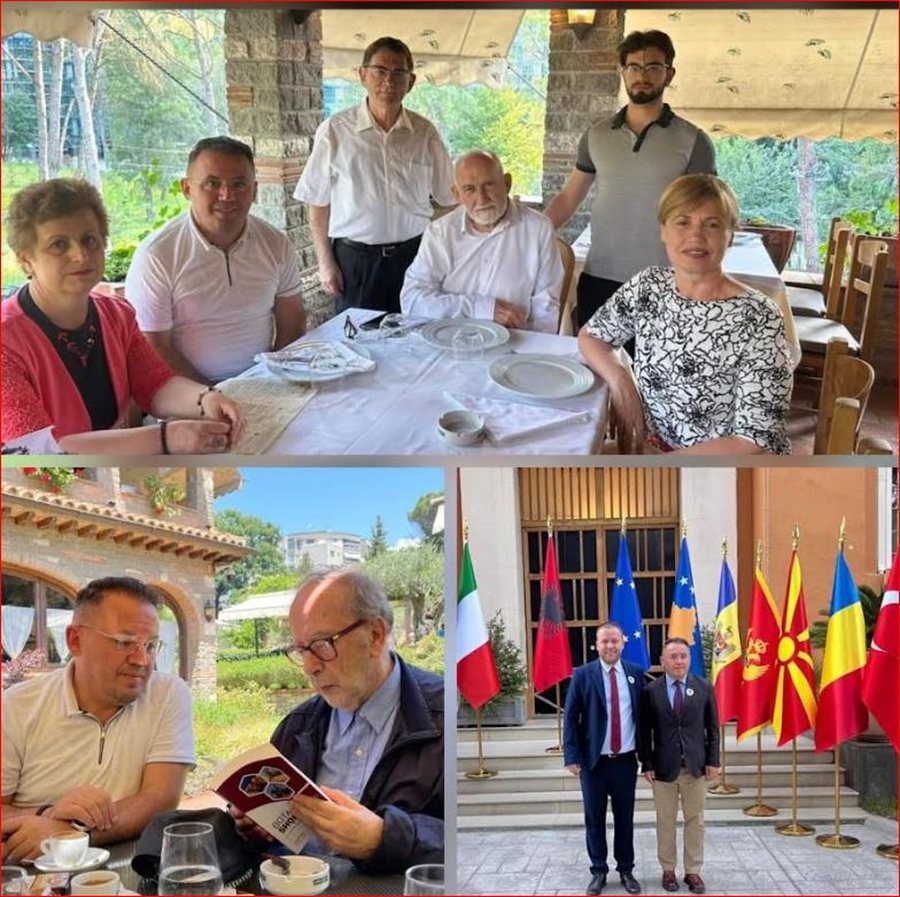
The commonality of these activities and meetings was that the contribution that ITSHKSH is making, goes beyond the narrow limits within which it operates, and goes to wider geographical, ethnic and linguistic dimensions. Consequently, as the director Asani promised, this has influenced the development of activities beyond these dimensions in the future, expanding the range of representation of more fields of scientific and cultural interest.
Skopje, June 10, 2024 - The General Directorate of Archives (DPA) celebrated the 75th anniversary of its establishment. From June 5-9 in Tirana, Krujë and Elbasan, numerous activities took place with the participation of the heads of the archives of Egypt, Turkey, Israel, the Balkan countries, Eastern and Southern Europe, researchers and many other personalities.
ITSHKSH from Skopje also participated in marking this important anniversary, represented by the director Prof. Dr. Skender Asani, who in his presentations conveyed messages of cooperation and coordination between the institution he leads and the counterpart institutions from Tirana and Pristina.
To remember the role and contribution of the General Directorate of Archives of Albania, the President of the Republic of Albania, Bajram Begaj, and the Speaker of the Parliament of Albania, Lindita Nikolla, also participated in a celebratory ceremony.
President Begaj gave an opening speech, who welcomed the advantages that the implementation of digitization technology has enabled in the preservation of our national memory. "Your institution has a special and important weight in the creation of our collective memory and national consciousness. This memory systematized in over 100 million documents, in 13 state archives, where rare jewels are found, such as the Fund of Medieval Codexes of Berat, are our link with the antiquity and tradition of other European countries. Their study by scholars and historians, local and foreign, helps us understand our roots, appreciate the efforts of previous generations and build a better future on this strong foundation. The implementation of digitization technology in the state archive has been an important step towards preserving documents and facilitating public access to them. Investing in collective memory, in the infrastructure and human resources of the archives, is imperative for our nation, for Albania, for the future," said the head of the Albanian state.
On this occasion, the General Director of the Archives of Albania, Ardit Bido, put the emphasis on the benefits of the document digitization process, which, in addition to the preservation of archival material, makes it possible for citizens to have equal access to information, regardless of location administrative acts are preserved. Therefore, it is not accidental that the archive has gone through its initial non-existence, total closure during the communist regime and a slow transition towards consolidation after the 1990s. total, following the efforts started earlier. If in 2018 there were 500 thousand documents scanned, today there are 15 million. This digitization process has made it possible to avoid the service of archival material for researchers and we add the possibility of serving documents abroad, regardless of where the researcher is located. Today we have our study halls from Hania in Crete to Mitrovica and from Palermo and Cosenza and Arbëresh to the Alphabet Monastery, from Saranda to Istog. Currently, there are more than 60 study halls open in the Balkans and in Southern Italy, which enable the service of archival subjects, just like in the Study Hall in Tirana," said Bido.
Duke u përfshi në diskutimet e përbashkëta dhe të veçanta, drejtori i ITSHKSH, Prof. dr. Skender Asani nga Shkupi përçoi gatishmërinë institucionale për një bashkëpunim substancial në fushën e studimeve albanologjike përfshi edhe arkivistikën. Në prezantimin që ia bëri Institutit që ai drejton, drejtori Asani njoftoi kolegët nga rajoni dhe më larg me profilin dhe strukturën organizative të ITSHKSH, duke veçuar me këtë rast fushat kryesore, si: historia, gjuhësia, letërsia, folklori dhe etnografia dhe duke specifikuar tri shtyllat fundamentale, gjegjësisht tre departamente, mbi të cilat bazohet misioni shkencor, kulturor e human i ITSHKSH, siç janë: Departamenti për ruajtjen dhe studimin e figures së Gonxhe Bojaxhiut-Nënës Tereze, Departamenti për edukimin dhe studimin e Holokaustit dhe Departamenti i marrëdhënieve shqiptaro-osmane, me theks të posaçën kontributi i rilindasve shqiptarë, në krye me vëllezërit Frashëri në avancimin e kauzës shqiptare në kohën e Prerandorisë Osmane.
Drejtori Asani gjithashtu ka folur edhe për rëndësinë që kanë arkivat dhe dokumentet në ruajtjen ekujtesës historike, tha se ndonëse shtete e ndryshme mund të kenë konflikte në mes veti, por arkivat e zhvillojnë veprimtarinë e tyre pavarësisht natyrës së konflikteve duke ruajtur kujtesën e popullit tjetër përmes dokumenteve e artefakteve të ndryshme.
Me këtë rast drejtori Asani ka paralajmëruar se edhe ITSHKSH në të ardhmen do të krijoj arkivin e vet , i cili do t’iu shërbente studiusve dhe qytetarëve të interesuar të kenë akces më të lehtë dhe më professional në dokumente dhe lëndë të ndryshme arkivore.
Aktivitetet për shënimin e75 vetorit të themelimit të Drejtorisë së Përgjithshme e Arkivave të Shqipërisë u përmbyllën me mbajtjen e Konferencës së VIII-të Mbarëkombëtare të Arkivistikës, ku bashkëorganizator është edhe ITSHKSH.
Në fjalën e tij hapëse në këtë konferencë, drejtori i përgjithshëm i Arkivave të Shqipërisë, Ardit Bido u shpreh se nëpërmjet kësaj konference mundësohet shkëmbimi i ideve dhe bashkëndarja e rezultateve të arkivistikës në nivel kombëtar. "8 vite më parë krijuam këtë institucion të rëndësishëm që bashkon arkivistët nga Shqipëria, nga Kosova, nga Maqedonia e Veriut, nga Mali i Zi, nga të gjitha trevat shqiptare për të shkëmbyer ide, për të bashkëndarë punën tonë, për të arritur që në fushën e arkivistikës ne të funksionojmë si ‘një’. Sepse në arkivistikë gjuha është e rëndësishme. Kufijtë shtetërorë dhe politikë ne i respektojmë, mbi ato veprojmë mirëpo kur vjen fjala për kulturën, për trashëgiminë kulturore, për historinë, për arsimin, për arkivistikën, ne nuk mund të jemi të ndarë”, nënvizoi Bido.
Meanwhile, in his welcoming speech, the director of ITSHKSH, Skënder Asani said that thanks to this conference, archival assets that deserve to be exhibited even more widely are evident. "8 years ago, a very important stage began that politics did not do. Since 8 years ago, these three institutions of Tirana, Pristina and Skopje gathered. Even Skopje will create its own archive, with the help of the archives of Albania and Kosovo. We must be prepared to show these values and archival assets that Albanians have to the whole world", said Asani, who further pointed out the importance of distinguished historical events and their connection with our cities, such as The League of Prizren, the Congress of Manastrirti and the Congress of Elbasan, these events, in addition to marking a turning point in our national and historical progress, they also identified the geography of Albanian ethnicity and memory.
In the margins of the above activities, the director of ITSHKSH, Prof. dr. Skender Asani also held separate meetings with several prominent personalities and families in Tirana, including the famous writer Ismail Kadare, the publisher and writer Mujo Buçpapja, the Metropolitan Archbishop of Tirana-Durrës, Monsignor Arjan Dodajn, Ambassador Skender Durmishi, as well as the emblematic Qiarizi families - Dako and Luarasi.
The commonality of these meetings was that the contribution that ITSHKSH is making, as the interlocutors expressed, goes beyond the narrow limits within which it operates, and goes to wider geographical, ethnic and linguistic dimensions. Consequently, as the director Asani promised, this has influenced the development of activities beyond these dimensions in the future, expanding the range of representation of more fields of scientific and cultural interest.





Lini një Përgjigje