


 Shkruar nga Pamfleti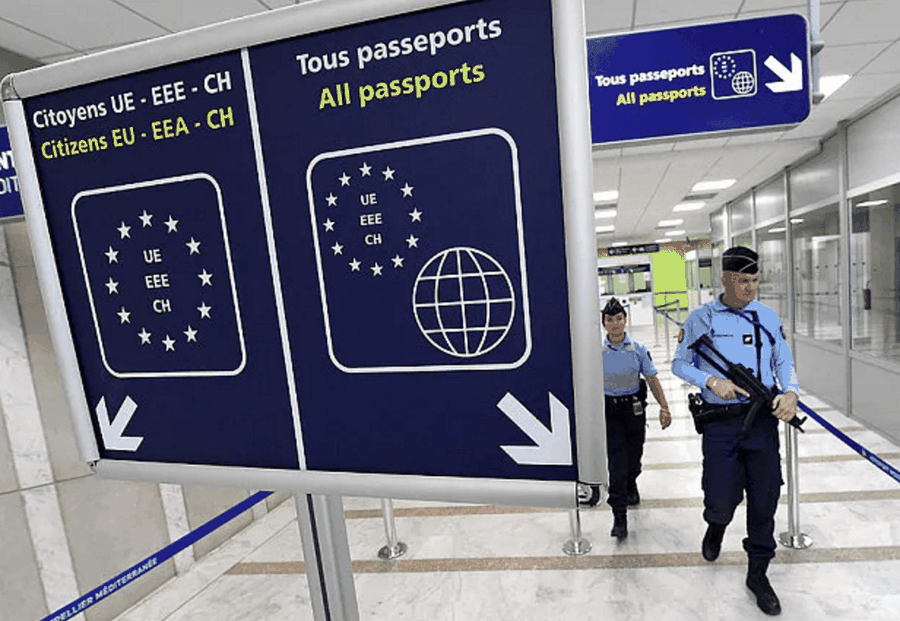
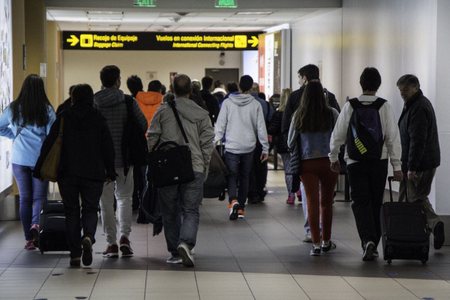
"Good afternoon! Passports, please! We also need to take at least four fingerprints. Even photographs. Thank you and I wish you a pleasant stay!". This is how entry into the European Union and Switzerland, Norway, Iceland and Liechtenstein, member countries of the Schengen free movement zone, should look from November 10 of this year, for the citizens of about 60 countries, including those of the Western Balkans.
At that time, the new Entry/Exit System (EES), which was created in November 2017, but whose implementation has been postponed several times, will begin to operate.
The implementation of the second European Travel Information and Authorization System (ETIAS) has been announced for next summer, which requires travelers from countries that have a visa-free regime with the EU to apply online for an entry permit, paying a fee of seven euros by bank card.
Passports in all Western Balkan countries are biometric, their chips contain fingerprints and photographs – which makes them fully compliant with the conditions that the EU has asked for Western Balkan countries to have a visa-free regime.
The general conditions – that the travel documents do not expire in less than three months from the date the person plans to return to their country or that the passport is no older than ten years – will continue to remain in force.
What are the new changes from mid-2025?
ETIAS will ask citizens of around 60 countries to fill in a special form via the internet or mobile app, before they travel.
When filling out the application for the first time, the passenger enters personal data, email and phone number, as well as travel document details.
The traveler will also need to enter details about current education and employment, as well as details about planned travel and stay in the EU country.
Details of any criminal convictions, past travel to war zones or conflict zones, and information on whether the person has been deported from any country will also be required.
Travelers will have to pay an additional fee of seven euros, with a bank card. Payment will be made as for any online purchase.
The fee will not be paid by persons under 18 and over 70, spouses/registered partners and children of citizens of the EU and Schengen countries, as well as children of spouses/partners coming from outside the EU.
"Group" application will not be possible - so in case of family travel, each member will have to apply separately for ETIAS.
The ETIAS system will be available in the languages of the member countries and the system will only accept Latin letters.
The traveler will be able to stop completing the application, save changes and continue entering data within 48 hours.
How long does it take to process a request?
As stated on the official website of the ETIAS system, the processing should take "several minutes".
If it takes longer, the passenger must receive the notification within four days.
Passengers may also be asked for additional information or documents – such as hotel booking confirmation and employment confirmation – which must be submitted within ten days. In that case, the request must be considered within two weeks.
The traveler may be invited for an interview at the embassy of the country where he plans to travel, and in that case the request is reviewed within 30 days.
Therefore, travelers are advised to complete the form at least one month before purchasing the ticket or booking the accommodation.
If the traveler is allowed to enter the EU, he will receive the notification by email.
The ETIAS permit will be valid for three years, or until the travel document with which the traveler applied is replaced.
The form is linked to the travel document, which means that it is only valid with the passport with which the traveler applied.
A new passport means a new application.
If the ETIAS is paid for and approved for travel in one country, it is also valid for another country.
The ETIAS permit does not mean that a person can stay in the EU for more than 90 days in a six-month period, or work in the EU.
The traveler will be able to enter and exit the EU as often as he likes and travel to any destination within the Schengen area during the period of validity of the permit and as long as he respects the specified time limit.
What if the person does not have internet, a bank card, is illiterate and similar?
Parents fill out the form for their minor children, who are exempt from paying the seven-euro fee.
Anyone can authorize a third party – another person or a commercial intermediary – to apply on their behalf or on behalf of their minor children.
With an intermediary – for example from a travel agency – the representation statement must be signed for each person individually and the same applies in case a friend, neighbor, daughter or son applies for a person.
The person or company that is the intermediary will also need to enter their details.
The intermediary has the right to ask for a "reasonable fee" and the EU has provided for the possibility of anonymous reporting of those who demand high payments.
Those who decide to apply through an intermediary are advised to check especially if the information in the application is correct before sending it, because in case of any mistake, the application may be rejected or cancelled.
Në rast se udhëtari vëren ndonjë gabim, ai mund ta plotësojë një aplikacion të ri ose të kërkojë korrigjimin e gabimit në aplikacionin e vjetër. Procedura e përpunimit në atë rast zgjat deri në 30 ditë.
Si të shkoni në një funeral, të vizitoni prindin që është shtetas i BE-së dhe të ngjashme?
Formulari ETIAS nuk do të duhet të plotësohet nga personat që kanë vizë të vlefshme – studentore, pune ose të ngjashme – ose leje qëndrimi në një vend të BE-së.
Formulari nuk plotësohet as nga personat që jetojnë përgjatë kufirit dhe posedojnë kalime kufitare.
Anëtarët e ekuipazhit në anije dhe avionë për disa vende të BE-së do të kenë nevojë për formularin ETIAS.
Përjashtime bëhen në rast të rrezikimit të jetës së aplikuesit apo të të afërmit, vajtjes në varrim të një familjari, detyrimit për t’u paraqitur në gjykatë apo ndonjë “detyrimi të rëndësishëm”.
Në atë rast, udhëtari e plotëson aplikacionin ETIAS për të ashtuquajturën leje të kufizuar që e tregon arsyen.
Leja lëshohet nga shteti në të cilin personi udhëton dhe është e vlefshme për të udhëtuar vetëm në atë vend për maksimum 90 ditë.
Për shembull, nëse bëhet fjalë për të shkuar në një funeral, një vend i BE-së mund ta lejojë hyrjen vetëm për ditët e varrimit.
Nëse personi, ndërkohë, aplikon dhe merr një ETIAS të dytë për udhëtim në të gjitha vendet e Schengenit, leja e kufizuar automatikisht bëhet e pavlefshme.
Çfarë nëse BE-ja refuzon t’ju japë leje?
Personave pa autorizimin ETIAS do t’u refuzohet hyrja në kufi.
Edhe marrja e kësaj certifikate nuk nënkupton që udhëtarit do t’i lejohet automatikisht hyrja në vendin e BE-së.
Të gjithë udhëtarët do të kontrollohen dhe një oficer kufitar mund t’ia refuzojë hyrjen një personi që nuk i plotëson kërkesat.
Disa nga kushtet për hyrje janë: dokument i vlefshëm i udhëtimit për së paku tre muaj nga data e kthimit të planifikuar; pasaporta të mos jetë më e vjetër se dhjetë vjet; qëndrimi të jetë i justifikuar dhe personi të ketë para të mjaftueshme deri në kthimin e planifikuar.
Shuma e zakonshme është rreth 100 euro në ditë dhe varet nga shteti anëtar i BE-së.
Disa nga arsyet e refuzimit të hyrjes lidhen me kërcënimet për sigurinë ose shëndetin.
Nëse kërkesa për ETIAS refuzohet, revokohet ose anulohet, personi do ta marrë një email që i tregon arsyet e refuzimit dhe emrin e autoritetit që e ka marrë vendimin.
Ekziston mundësia e apelimit dhe emaili do të përmbajë informacione se në cilin vend ose shtet mund të apelohet. Ankesat trajtohen në përputhje me ligjet e atyre vendeve.
Një person, aplikimi i të cilit refuzohet, mund të aplikojë sërish për lejen ETIAS.
Nëse një person e revokon kërkesën e tij, ai nuk mund të ndryshojë mendje më pas, por duhet të plotësojë një formular të ri.
Tarifa nuk rimbursohet nëse aplikacioni refuzohet.
A do të ketë më shumë rrëmujë në kufij?
Me futjen e EES-it, mbetet skanimi i dokumenteve të udhëtimit, ndërsa vulosja e pasaportave në pikën kufitare ndalon.
However, fingerprinting and photography, which will be done at each border crossing, can make waiting in line longer.
At airports, checks will be carried out after landing.
Member states have changed some laws to reduce potential tolls on land crossings.
Why was this system created?
The new EES system is designed to make the bases of EU member states more connected, make it easier to track the time and place of stay and ensure that travelers do not stay more than 90 days within a six-month period .
One of the aims of the new measures is to make it more difficult for criminals or terrorists to enter the EU with fake passports, as biometric checks will be carried out every time the border is crossed.
Passengers will not be charged a fee for providing biometric data.
The data will be accessible to the police services of the member countries of the Schengen system and the police agency, EUROPOL, during criminal investigations, especially terrorism and organized crime.
Biometric data checks will increase in mid-2025, but the exact date has not been set.
Similar systems have already been created by the United States of America, Canada and Australia./REL




Lini një Përgjigje