


 Shkruar nga Pamfleti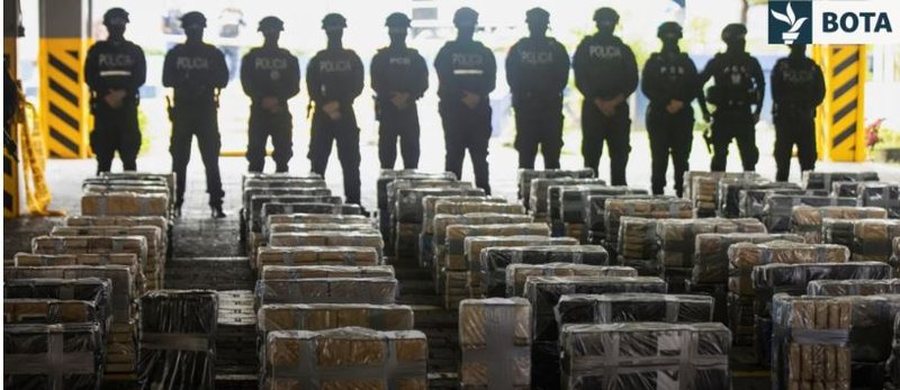
Organized criminal groups, whose members originate from the Western Balkan countries, are using a new route to smuggle cocaine from Latin America to Europe: through West African countries.
This was noted by researchers from the Global Initiative against Transnational Organized Crime (GI) in a report published in September.
Sasha Djordjevic, co-author of the report, explains to Radio Free Europe that criminal groups from the Western Balkans use the route through West Africa to traffic cocaine, mainly due to West Africa's favorable geographical position, which is located between Latin America, where cocaine is produced, and European markets, where it is sold.
The report is based on 70 interviews with investigative journalists, police, prosecutors, academics, officials and private sector workers at ports and airports, actors involved in the cocaine trade, drug users and health workers in the Western Balkans, Latin America and West Africa.
From 2019 to 2024, police, mainly in the European Union, have focused on seizing cocaine that comes directly, for example from Ecuador to the Netherlands, rather than through some transit routes.
Djordjevic points out that organized criminal groups from the Western Balkans have strengthened their presence in coastal countries of West Africa. Among these countries are: Sierra Leone, Senegal, Guinea-Bissau, Guinea and Gambia.
The use of this route for trafficking is also confirmed by EUROPOL, the European law enforcement agency.
"The most prominent criminal networks have their representatives (intermediaries and sometimes entire units) located in the countries of origin in South America or in logistics centers (in West or South Africa)," EUROPOL said in response to a question from Radio Free Europe.
It stressed that a special operational group has been formed to respond to the threat posed by organized drug smuggling.
This group, according to EUROPOL, unites the countries of the Western Balkans, the European Union and the entire world, in order to track criminal networks.
Organized criminal groups from the Western Balkans have been identified by international organizations, such as EUROPOL and INTERPOL, as key players in the smuggling of cocaine from Latin American countries - including Brazil, Colombia and Ecuador - to markets in Western European countries, especially the Netherlands.
This influence did not arise overnight, but is the result of three decades of development of criminal groups from the Western Balkans, which today position themselves as very powerful actors in the global cocaine supply chain.
The new cocaine smuggling route, according to Djordjevic, presents an additional challenge, because organized criminal groups from the Western Balkans also use West African countries as drug depots - which then facilitates their distribution and transportation.
Their position in these countries, as in Latin American and European countries, is made possible through corruption.
"They do not have the support of all members of local government. But organized crime, including that which passes through West Africa, simply cannot function without corrupt people who hold important positions, mainly in port security, customs and the police," says Djordjevic.
He adds that this route also developed due to the increasing demand for cocaine in Europe - mainly in the Western European market.
A Spanish police officer guards cocaine seized from the fishing vessel Gloria Figueroa, at the Las Palmas de Gran Canaria naval base in Spain, November 15, 2024. (Photo: Reuters)
This is also shown by data on the concentration of cocaine residues in the wastewater of major European cities, collected by the European Union Drugs Agency (EUDA).
The June 2025 report shows that cocaine use has increased in major European cities, as residues in wastewater are higher in 39 of the 72 cities monitored - including Brussels, Zagreb and Maribor - during 2023–2024.
According to EUDA data, cocaine is the second most used illegal drug in Europe after cannabis, and in just three years, the amount of cocaine seized in the European Union has doubled.
All Western Balkan countries cooperate with EUROPOL to combat cocaine smuggling.
According to the GI report, organized criminal groups from the Western Balkans are divided according to the language they use - into those speaking Slavic languages and those using Albanian.
However, a feature of organized crime is its multinational nature, and the report shows that there is cooperation between different groups.
According to Djordjevic, cooperation between police and prosecutors in the region to prevent cocaine smuggling works much better when it is done with the mediation of international organizations.
With the mediation of EUROPOL, cooperation works much better, especially in cases that are not politically sensitive. However, cooperation weakens when cases are politically sensitive.
As one of the biggest challenges in cooperation, he mentions, among other things, the fact that investigative bodies focus mainly on seizures and not on the flow of money.
"Second, the impact of demand reduction activities, in terms of prevention, is minimal and, in general, there is very little discussion about demand reduction. There is more talk - and always in a bombastic manner - when a seizure occurs," says Djordjevic.
Por, ai shton se në vendet e Ballkanit Perëndimor ka pasur shumë përparim në konfiskimin e aseteve të fituara përmes krimit.
“Kjo, në njëfarë mënyre, është mjet për parandalimin dhe luftimin e krimit të organizuar”, thotë Gjorgjeviq.
Policia në Bashkimin Evropian është fokusuar kryesisht në sekuestrimin e kokainës që transportohet direkt nga Amerika Latine drejt Evropës Perëndimore.
Aktivitetet e qytetarëve serbë, sipas raportit të Iniciativës Globale kundër Krimit të Organizuar Transnacional, janë regjistruar në Guine, Senegal dhe Siera Leone.
Shtetasi serb, Mirosllav Starçeviq, identifikohet në raport si kreu i një grupi që shfrytëzoi Siera Leonen si qendër për ruajtjen e kokainës dhe paketimin e saj në kontejnerë.
Grupi që ai drejton, është i lidhur në raport me klanin kriminal të Kavaçit, me origjinë nga Mali i Zi.
Klanet Kavaç dhe Shkalar e kanë origjinën në Mal të Zi. Ato janë dy klane kriminale në luftë me njëri-tjetrin. Në konfliktet mes tyre, më shumë se 60 persona kanë humbur jetën që nga viti 2014.
Kundër Starçeviqit po zhvillohen dy procedura hetimore në Zyrën e Prokurorit Publik për Krim të Organizuar.
Në raportin e Iniciativës Globale përmendet edhe Goran Neshiq si një nga ndërmjetësit e parë të grupeve të organizuara kriminale serbe dhe malazeze në Afrikën Perëndimore.
Goran Neshiq u arrestua në Brazil në vitin 2011. Shtatë vjet më vonë, ai u ekstradua në Serbi, ku u dënua me tetë vjet burg.
Pas arrestimit të tij, biznesin e vazhdoi djali i tij, Aleksandar Neshiq, sipas raportit. Ai, gjithashtu, u arrestua në Brazil në tetor të vitit 2023.
Sipas Prokurorisë për Krim të Organizuar, kundër tij është dhënë dënimi bazuar në një marrëveshje për pranimin e fajësisë, në nëntor të vitit 2019.
Deri në publikimin e këtij artikulli, Ministria e Brendshme e Serbisë nuk iu përgjigj pyetjeve të Radios Evropa e Lirë se çfarë di për përfshirjen e shtetasve serbë në trafikimin e kokainës përmes Afrikës Perëndimore dhe nëse policia serbe bashkëpunon me autoritetet përgjegjëse të vendeve afrikane në këto raste.
Raporti tregon se një grup i lidhur me klanin Shkalari, i udhëhequr nga një shtetas i Bosnje dhe Hercegovinës, shfrytëzon ishullin spanjoll Gran Kanaria si bazë kryesore për shpërndarjen e kokainës që vjen direkt nga Brazili dhe nga disa vende të Afrikës Perëndimore, si Guinea-Bisau dhe Siera Leone.
Raporti përmend Edin Gaçaninin si figurë të rëndësishme në trafikun ndërkombëtar të drogës. Ai është me origjinë nga Bosnje dhe Hercegovina, por ka shtetësi holandeze.
Të dhënat e disponueshme, sipas raportit të Iniciativës Globale, tregojnë se Gaçanin ka zhvilluar operacione në disa vende afrikane, sidomos në Afrikën e Jugut.
Gaçanin, i arrestuar në Dubai në vitin 2023, është dënuar në mungesë për kontrabandë të sasive të mëdha të narkotikëve nga Kolumbia, Peruja dhe Ekuadori drejt Evropës.
Ai figuron gjithashtu në listën e sanksioneve të Shteteve të Bashkuara, të cilat e kanë identifikuar si udhëheqës të kartelave “Tito” dhe “Dino”.
Në prill të vitit 2025, në Bosnje dhe Hercegovinë u arrestuan 23 persona, në bashkëpunim me EUROPOL-in, për lidhje me Gaçaninin.
Të arrestuarit janë zyrtarë të lartë policorë dhe të institucioneve të zbatimit të ligjit, të dyshuar për krim të organizuar, pastrim parash, trafik të drogës, keqpërdorim të detyrës dhe marrje ryshfeti.
Raporti i Iniciativës Globale përmend edhe një shtetas të Bosnjës - pjesëtar i klanit kriminal Shkalari - i cili përdorte Guinea-Bisaun dhe Siera Leonen për të magazinuar drogë. Më pas, drogën e dërgonte në Ishujt Kanarie, nga ku shitej në tregun evropian.
Raporti thekson se, pavarësisht kërkesës së kuqe të INTERPOL-it nga Belgjika, përpjekjet për ekstradimin e tij “janë vështirësuar, për shkak të marrjes së shtetësisë turke”.
Agjencia për Hetime dhe Mbrojtje e Bosnje e Hercegovinës nuk iu përgjigj pyetjeve të Radios Evropa e Lirë se çfarë informacionesh ka për përfshirjen e shtetasve të Bosnje dhe Hercegovinës në trafikimin e kokainës përmes Afrikës Perëndimore.
Në periudhën nga fillimi i vitit 2021 deri më 3 shtator, 2025, Gjykata e Bosnje dhe Hercegovinës ka dhënë 37 vendime të formës së prerë për veprën penale të trafikut të paligjshëm të drogës, tregojnë të dhënat që REL-i i ka siguruar nga kjo gjykatë.
Mali i zi
Sipas raportit, klanet Kavaç dhe Shkalar, me origjinë nga Mali i Zi, kanë operacione në Siera Leone dhe Senegal.
Raporti tregon se klani Kavaç operon në portet e Brazilit dhe Siera Leones, dhe përdor ndërmjetës që menaxhojnë transportin dhe logjistikën.
Si aktor kryesor për operacionet e klanit Kavaç në Afrikën Perëndimore identifikohet Radoje Zvicer, ndërsa klani Shkalar operon kryesisht përmes bashkëpunëtorëve nga Bosnje dhe Hercegovina dhe Shqipëria.
Ndër vendet kryesore të origjinës nga të cilat transportohet kokaina në Evropë, është porti brazilian i Santosit. Në fotografi: Një kontejner me destinacion Evropën duke u kontrolluar nga një qen nuhatës në portin brazilian të Santosit, 12 mars 2020.
Në nëntor të vitit 2024, me kërkesë të autoriteteve austriake, EUROPOL-i përditësoi urdhrin e arrestit për Zvicerin, i cili besohet se udhëheq klanin Kavaç - organizatë kriminale e specializuar në kontrabandën e kokainës.
Zyra e Prokurorit të Shtetit në Mal të Zi, në janar të vitit 2025, hapi një hetim kundër Radoje Zvicerit dhe 12 anëtarëve të tjerë të klanit kriminal Kavaç, të cilët dyshohen për vrasjen e Risto Mijanoviqit, në nëntor të vitit 2020.
Që nga viti 2020, kur u plagos rëndë në Kiev, Radoje Zvicer është zhdukur.
According to European documents, he used at least 15 false identities.
The Ministry of Internal Affairs of Montenegro did not respond to REL's questions regarding any information about the involvement of Montenegrin citizens in cocaine trafficking from Latin America to Europe, via West African countries.
Neither did the competent court and prosecutor's office, from which REL requested data on the number of confirmed indictments and final decisions for drug trafficking in the period 2021-2025.
North Macedonia
Citizens of North Macedonia are mentioned in the GI report as part of Albanian-speaking criminal groups.
In response to questions from Radio Free Europe, the Ministry of Interior of North Macedonia stated that its citizens, as members of international organized crime groups, are involved in organizing the procurement and transportation of cocaine from the countries of origin - South America - to Europe.
“The Ministry of Interior and the services for combating illegal drug trafficking have established excellent cooperation with the countries of the region and the EU, and this is done through INTERPOL, EUROPOL or bilateral contacts,” the Ministry of Interior of North Macedonia stated.
According to data provided by the Criminal Court in Skopje, at the request of Radio Free Europe, in the period from 2021 to 2025, 257 final decisions were issued for the creation or participation in an organized criminal network for drug trafficking.
Kosovo and Albania
Albanian-speaking criminal groups, according to the GI report, consist of individuals from Albania, Kosovo, North Macedonia and Montenegro, and associates from other nationalities.
" These groups in Ecuador have built an important transportation hub over the past decade, establishing close cooperation with local gangs and gaining access to ports ," the report said.
The report notes that since 2019, these groups have also taken root in Brazil, linking criminal groups to the West African route. Their activities have been recorded in Gambia, Guinea, Sierra Leone and Senegal.
The report also states that Albanian customs consider exports from West Africa to be low risk and do not control them as strictly as exports from Latin America, especially Ecuador.
Radio Free Europe sent questions to the relevant authorities in Kosovo and Albania regarding this report, but, by the time of publication of this article, had not received a response./ REL


Lini një Përgjigje