


 Shkruar nga Pamfleti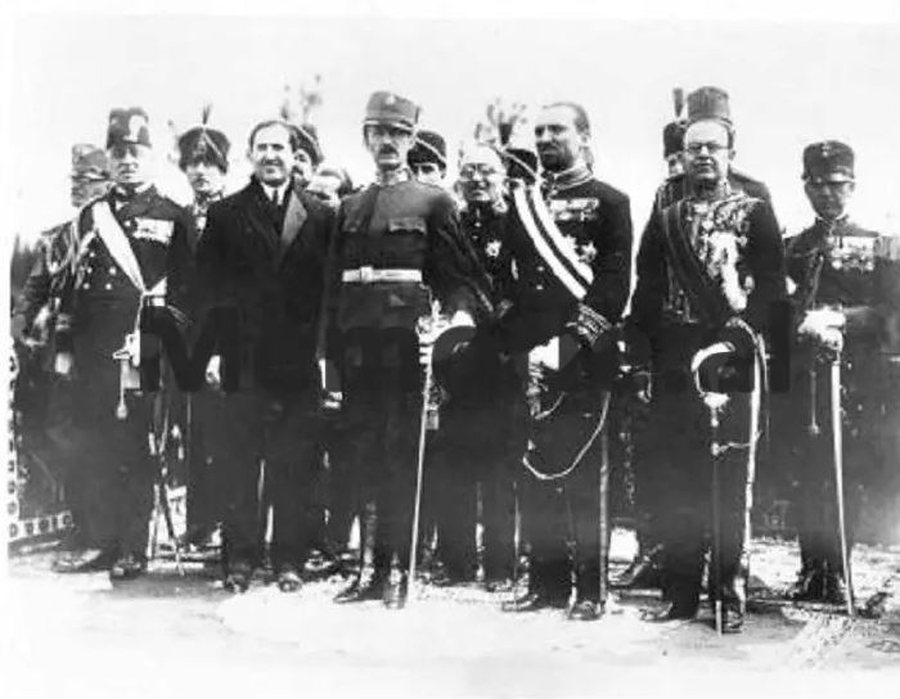
A photograph of the magazine "Minerva", in a report from 1936, when the Kamza bridge was inaugurated, captured the Minister of World Affairs of that time, Ndoc Naraçi, and his wife, Evelin, side by side. A graceful couple, where, especially the lady, stands out for her style. Equally in love, equally elegant, describes the Naraçi couple even after almost 30 years from that day, Maksim Rakipaj, in his book "Survivor", where he dedicates a section to them entitled "Does anyone love like this"?!
It was 1964, at that time Maksi lived with his family in Tresh, Lezha district, and one Sunday, a couple had come to visit them, which immediately took place in the memory of the 13-year-old boy.
"...I looked in amazement at the couple who looked like they came from a time machine trip, in terms of etiquette and politeness in speech and more. Even in combing the hair. In clothing. The way they looked at each other, all love, like newly engaged teenagers...", writes Maks Rakipaj, for Ndoc and Evelin Naracin.
The inclusion of these two photographs, one "written with light", the other with words, makes you think that those 30 years have flowed smoothly, without shocks or trials for the relationship of this couple, but it was quite the opposite. Between these two times, the Naraçi couple had experienced unthinkable challenges and passed obstacles, where many fell.
He was arrested and tried in the "Special Trial" of 1945, where he was sentenced to 30 years in prison. Evelina was left alone, in a foreign land. And yet she refused to separate from her husband and return to her native country, Austria.
She welcomed Ndoci, who was forgiven part of his sentence and was released from prison, earlier than expected. They settled in Shkodër where they lived for years. It was precisely this period, when they go to visit little Max's house and with all that they had been through, and although, as written in the biography of Ndoc Narac, "he was released in 1958 and lived in his hometown, in very difficult conditions" they both continued to radiate love and elegance.
This was their victory over the dictatorship, an unofficial victory, recorded only in some memory, but in the end the truths were found there and not in official reports, filled with "enemies of the people" and "party victories".
From Vienna to Tirana
Ndoci was born in 1899, in a well-known Shkodra family. He received his first lessons at Saverian College. Then, with a scholarship from the Austro-Hungarian government, he went to Vienna, where he first completed a military high school and then higher studies in Electrical Engineering at the Polytechnic University of Vienna, where he graduated in 1926. the salons of Vienna, I met Evelina.
Evelina ishte e martuar dhe kishte dy djem, por mesa duket, ndjenjat për inxhinierin e ri shqiptar, ishin aq të forta, sa ajo vendosi që të linte familjen e saj dhe t’i bashkohej Ndocit në kthimin për në Shqipëri, ku erdhën si burrë e grua. Ishte zgjedhja e Ndocit, për t’u kthyer në atdhe, pavarësisht që i ofruan qëndrim dhe sistemim në Austri.
Ishte zgjedhja e shumë të diplomuarve në Perëndim të atyre viteve, që mendonin se do të peshonin më shumë në vendin e vet, siç edhe ndodhi deri në çastin kur u vendos regjimi komunist dhe ata nisën të dënoheshin një nga një.
Karriera e inxhinierit të ri në Shqipërinë e viteve ’20-’30-të, po ecte shkëlqyeshëm. Ai nisi të punonte si inxhinier, në vitet 1927-1929, në Ministrinë e Punëve Botore të asaj kohe, më pas për 4 vite, vazhdoi si profesionist i lirë dhe gjatë periudhës 1933-1944, me dy ndërprerje, qe drejtor i përgjithshëm i Drejtorisë së Përgjithshme të Postë-Telegrafëve në Tiranë. Ai ishte gjithashtu një nga themeluesit e Radio-Tiranës në vitin 1938.
Më 1935-1936, u emërua ministër i Punëve Botore, ndërsa më 1943, ministër i Ekonomisë Kombëtare dhe zëvendësish ministër Arsimi, në kabinetin e parë të Ekrem Libohovës. Detyrën e ministrit të Punëve Botore, e mbajti edhe për tre javë në vitin 1943. Pikërisht për këtë periudhë tre-javore, siç shkruan studiuesi Kastriot Dervishi, ai do të arrestohej dhe do të gjykohej në “Gjyqin special”, “për kriminelët e luftës dhe armiqtë e popullit”, në vitin 1945.
Dënimi që nuk ndërpreu dashurinë
Dhe pse, për pak kohë, gjatë pushtimit gjerman, Ndoc Naraci, ishte në postin e ministrit, nuk mund të thuhet se ai ishte ndër të privilegjuarit e asaj periudhe të errët. Përkundrazi, ajo ka qenë një periudhë ankthi për familjen e tyre, pasi Evelin ishte me origjinë hebreje dhe kjo mjaftonte për ta jetuar nën kërcënim, pushtimin nazist.
Megjithatë, ajo, si çdo hebre tjetër në Shqipëri, nuk pati asnjë pasojë. Vetëm se ndryshe nga të tjerët, ajo nuk mundi të merrte frymë lirisht , ta festonte largimin e gjermanëve nga Shqipëria. Një ditë para çlirimit zyrtar të Tiranës, Ndoci arrestohet nga komunistët. Nga 16 nëntori 1944 e, deri më 1 mars 1945, kur nisi “Gjyqi Special”, ai iu nënshtrua procesit të hetimeve dhe pas një muaji e ca seancash gjyqësore, të drejtuara nga gjeneral-leijtnant, Koçi Xoxe, mësoi dënimin me 30 vjet heqje lirie.
Maksim Rakipaj shkruan në librin e tij që Evelinën e ftuan të largohej nga Shqipëria si shtetase e huaj, por ajo nuk pranoi. Megjithëse e rritur me gjithë të mirat në vendin e saj dhe me gjithë jetën komode që kishte pasur gjatë qëndrimit në Shqipëri, si bashkëshorte e një inxhinieri të dëgjuar, me poste të rëndësishme, ajo pranoi t’u nënshtrohej punëve të zakonshme si rrobalarëse.
Knowing 4-5 foreign languages, Evelin also taught languages privately, which would help her to keep herself and her husband in prison. Even more wild was the contrast in the life of Ndoc, who, from being an engineer to a minister, had to work as a laborer in the clearing, for drying the swamps. He also did forced intellectual work, translating Pevsner's book, "The Double Life of Yevno Azef", at the behest of the former head of the Internal Branch, Halim Xhelo, who later ended up in prison himself.
He was 59 years old when on July 14, 1958, Ndoc Naraçi came out of prison, weakened by shock, torture, prison camp conditions and hard work. The future, under the regime that had declared him an enemy, was hopeless, however, a light warmed Ndoc's heart: Evelina, who had waited for him, showing that she would be by his side, even in bad times. The circumstances were so poor that, despite his advanced age, he had to work, even after leaving prison, in draining the swamps.
The hypocrite of the communist regime despised the expertise of an engineer graduated from Vienna and enjoyed putting him to work with a pick and shovel in the swamps, even after he had served his sentence. The couple no longer had a place, not even in Tirana.
They took them to Shkodër, the birthplace of Ndoc, where they lived for years, this third era of their life together, after that in the capitals of Austria and Albania.
So many times and so many changed backgrounds in the pictures of their lives! Only they remained the same./ Memorie.al



Lini një Përgjigje