


 Shkruar nga Pamfleti
Overthrowing the government in Iran has also been a goal for some in the Iranian diaspora, since the 1979 revolution that overthrew the Shah and replaced the monarchy with a theocratic Islamic Republic.
After 12 days of devastating Israeli attacks, the stability of Iran's government is the subject of fierce debate. And some in Israel and the United States have insisted not only on destroying Iran's nuclear program, but also on "regime change."
Overthrowing the government in Iran has also been a goal for some in the Iranian diaspora, since the 1979 revolution that toppled the Shah and replaced the monarchy with a theocratic Islamic Republic. The war has amplified a number of voices in the opposition abroad, which has a history of internal strife as well as organized online harassment of journalists, academics and others, which has occasionally escalated into threats of physical violence.
Here are some of the foreign voices that oppose the Islamic Republic and hope for the overthrow of the regime to return to power themselves:
Decentralized activist groups
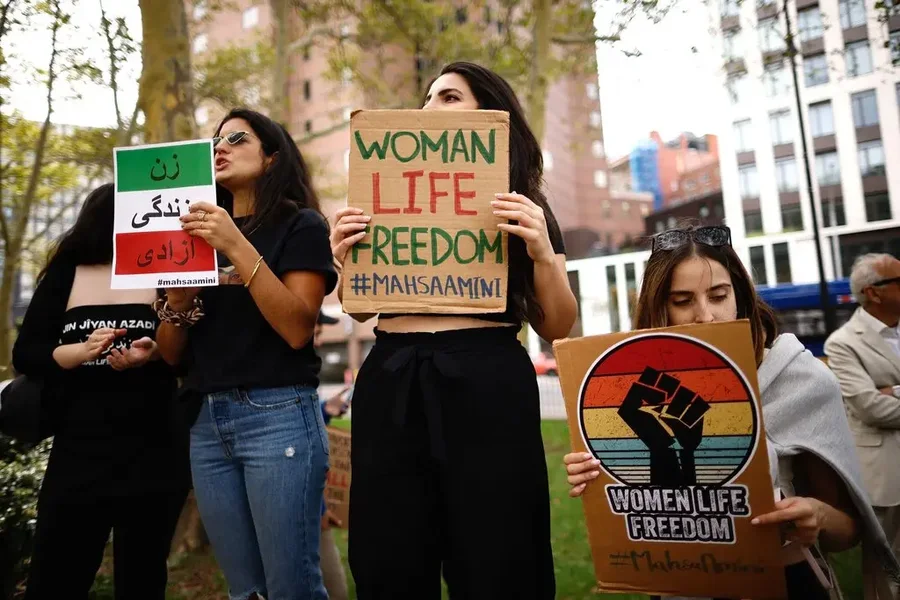
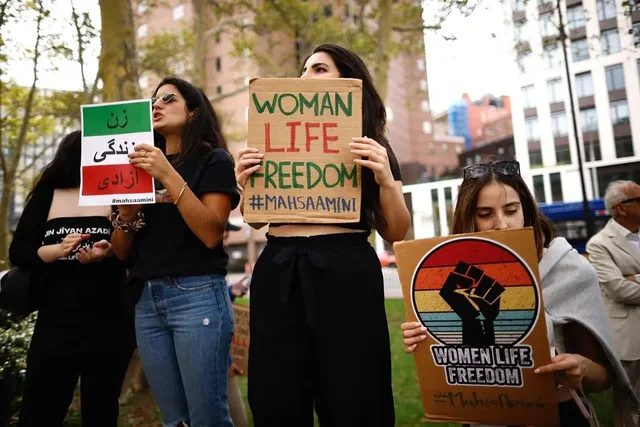
Iranians in the diaspora who oppose the Islamic Republic include exiled leftists, nationalists, secular democrats, former prisoners, journalists, human rights defenders and artists. This loose network lacks an organizational structure, according to Taghi Rahmani, a prominent dissident who lives in Paris. But he said the network has been effective in drawing attention to human rights abuses in Iran with protests around the world and in voicing the demands of ordinary Iranians seeking change.
These activists typically have ties to dissident groups and unions in Iran, as well as women's rights activists, teachers, lawyers, workers, and students, and often take their cues from them. Most have condemned Israeli attacks on Iran and have been particularly suspicious of Israel's campaign due to the high number of civilian casualties in Gaza.
Reza Pahlavi, son of the deposed Shah of Iran
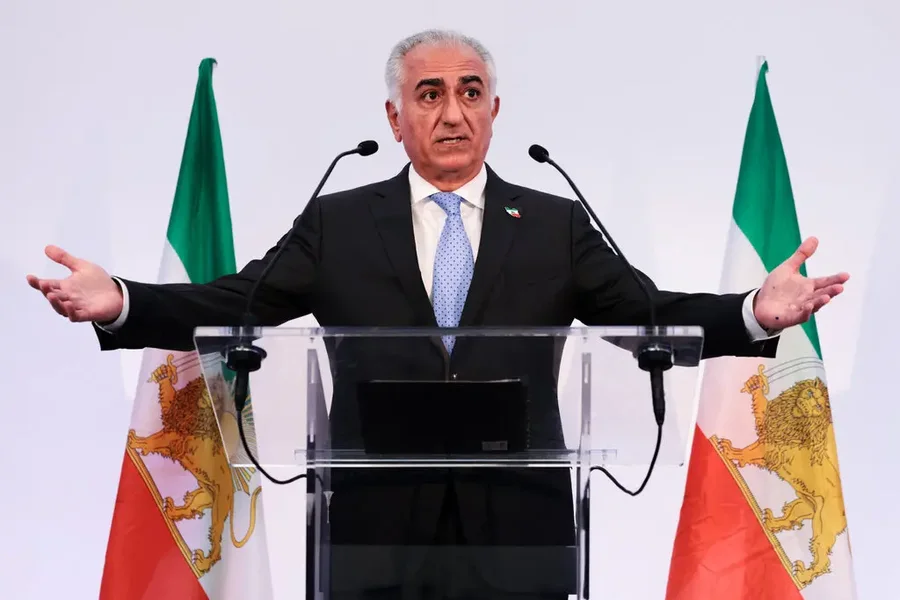
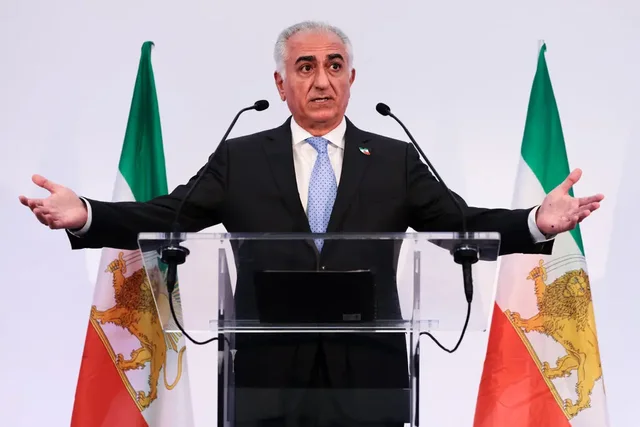
Reza Pahlavi, the son of Iran’s last shah, has been among the most visible opposition figures in the past two weeks. In a series of media appearances and social media posts, Pahlavi, 64, who lives in the United States, has called Israel’s attacks on Iran “an opportunity” to overthrow Iran’s supreme leader and establish a “secular democracy.” Calling himself Iran’s “crown prince,” he is presenting himself as a candidate to lead that transition.
“ This is our Berlin Wall moment ,” Pahlavi said at a news conference he held in Paris on Monday. Pahlavi’s remarks during the war, including that “anything that weakens the regime” would be “welcome,” have provoked a backlash even among some supporters of his late father, who say he is out of touch with reality inside Iran.
Some experts question Pahlavi's claims to legitimacy, the extent of support for him in Iran, and the feasibility of his vision.
Mujahedeen Khalq (MEK)
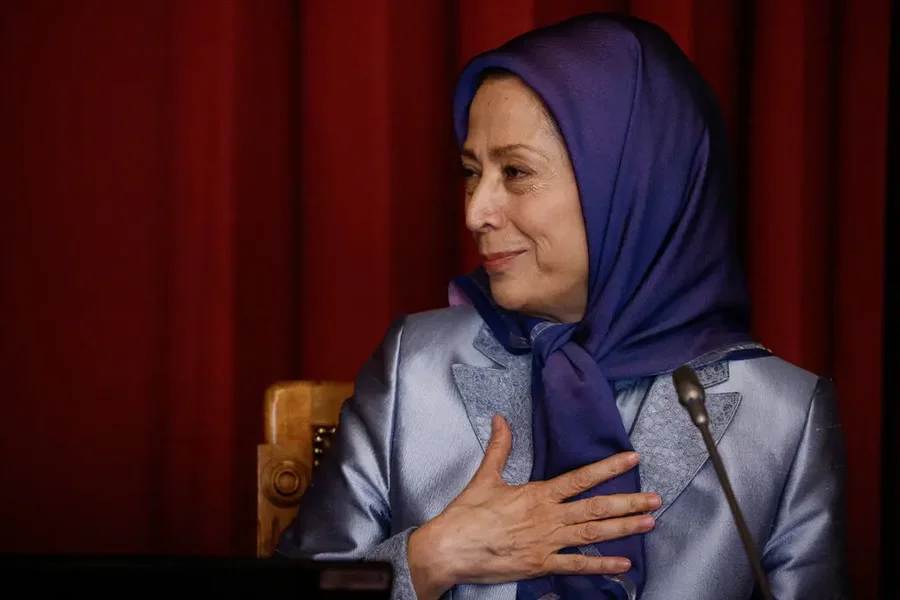
The Mujahedeen Khalq, a group that was once a U.S.-designated terrorist organization and accused by former members of operating like a sect, has been trying to rehabilitate its reputation in recent years. Founded in 1965 inside Iran as an armed dissident group, the Mujahedeen Khalq helped topple the Shah. But after the revolution, they split with Iran’s new clerical leaders, who cracked down on the group in a widespread campaign of arrests and executions.
Most of what was left of the organization fled to Iraq, where they sided with Saddam Hussein during the Iran-Iraq war of the 1980s, a move that many Iranians saw as a betrayal. By then, the group’s ideology, which began as a blend of Islamism and Marxism, had begun to center around its leaders, Massoud and Maryam Rajavi. Former members have said they were told to renounce marriage and divorce their spouses to prove their commitment to them. The group, also known as the MEK, has denied such claims and says many of its critics are Iranian spies.
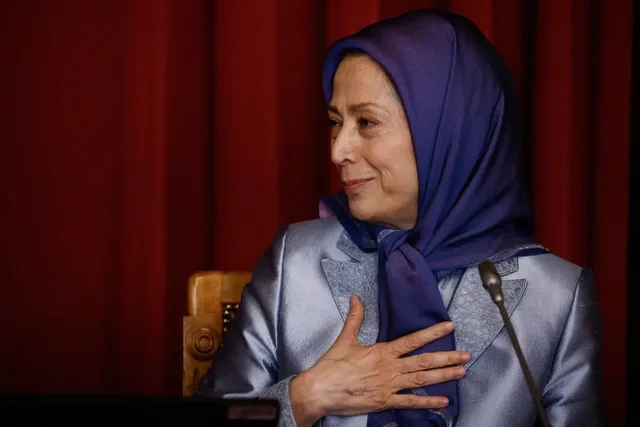
Maryam Rajavi, the leader of the MEK, has not been seen since 2003. Representatives of the group, mostly based in Albania, and Ms. Rajavi did not respond to a request for an interview. Rajavi said this month that Israel’s attack on Iran “represents the beginning of a critical new chapter, both in Iran’s internal crisis and in the broader dynamics of the region.”
The State Department designated the MEK as a terrorist organization in 1997, five years after the group staged coordinated attacks on Iranian diplomatic posts in multiple countries, including the Iranian mission to the United Nations. But the MEK renounced violence sometime after the U.S. invasion of Iraq, and the designation was lifted in 2012.
Ms. Rajavi’s official platform now calls for a “secular republic,” gender equality, and a non-nuclear Iran. Prominent American politicians have received tens of thousands of dollars to speak at the group’s conferences.
But the problem is that the MEK has almost zero popularity in Iran. It has more supporters in Washington, D.C., than in Iran./ Adapted from "Pamphlet" by "The New York Times"







Lini një Përgjigje