


 Shkruar nga Pamfleti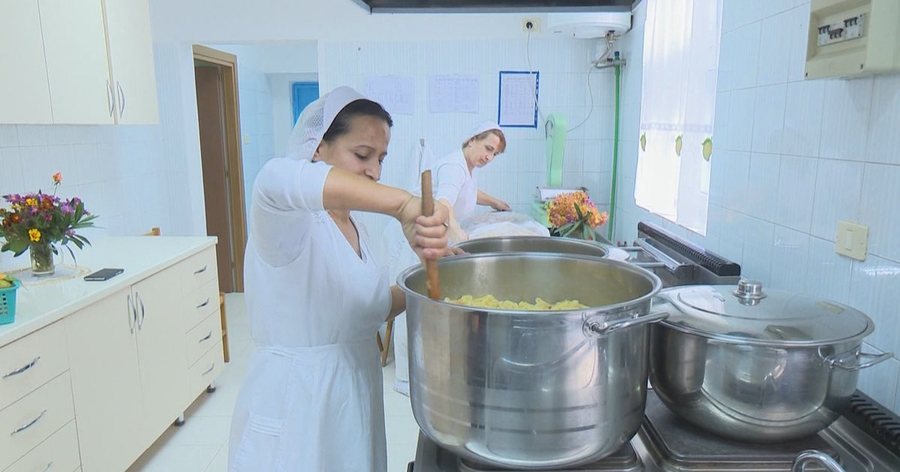
In kindergartens and nurseries, little ones are fed every day with what is prepared away from their parents' eyes. At this early age, food is not just a meal, but development, care, and responsibility.
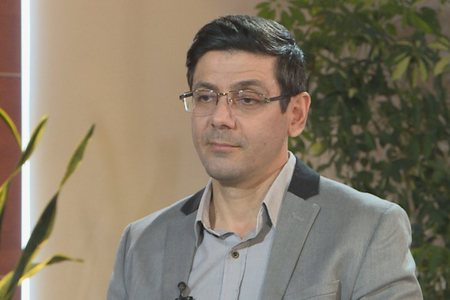
"Nutrition during this period is not about filling the stomach, it is a very good investment made in the child for his physical and mental development. It must be very healthy. A well-balanced diet, based on all macronutrients. We are talking about proteins, carbohydrates and fats, but also about vitamins and minerals," says Anila Kalleshi, dietitian.
But in today's world of consumption, with the variety of alternatives offered, unsuitable foods also circulate.
"All processed foods should be avoided: sausages, salami, ham, which contain excessive salt, but also sweets. Milk would be better without added sugars or different flavors. White bread is not recommended, as well as pasta or white rice; it would be better to replace them with whole grain products ," says the dietitian.
Selection is just one of the elements of good nutrition. Another important aspect is the control and safety of the dishes served in the institutions that care for our children. A case a few days ago in Gramsh, where several children were hospitalized with signs of poisoning, raised the alarm: how safe are kindergartens and nurseries for the food they serve to our children?
Parents say: " I'm not sure about taking my child back to that kindergarten.
I want security, at least for the food my child consumes there ."
The AKU announced on Friday that samples taken from eggs at kindergarten no. 1 in Gramsh resulted in the presence of Salmonella spp, while it is believed that the contamination occurred in the kindergarten's premises.
" The product can be contaminated during transport. It can be contaminated in the van if the hygiene and sanitary conditions are not met, if it is dirty, if it does not maintain the right temperatures, if it is not refrigerated. It can also be contaminated by the hands of the driver, transport worker, cook, teacher, sanitation worker, or even from drinking water," says Granit Sokolaj from the Alert Center.
According to the dietitian, there are two products for which special care should be taken due to the risk of salmonella:
"Meat and eggs are the two products that are most prone to harboring salmonella. They should be cooked well."
For Granit Sokolaj from the Alert Center, the Gramsh case should serve as a lesson. He suggests establishing an inter-institutional coordination mechanism for food controls in kindergartens and nurseries./ A2CNN





Lini një Përgjigje