


 Shkruar nga Pamfleti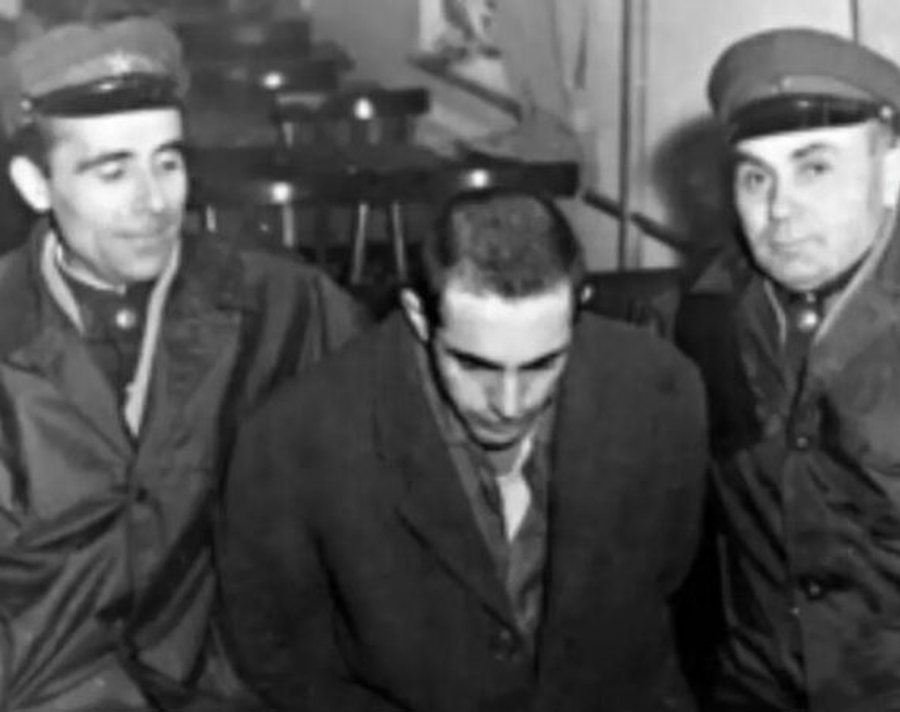
The ex-prisoner: "After '90, I could kill the investigators for a fee, for 200 thousand lire, after several people approached me to do that"!
He was 21 years old when he was sentenced to 21 years in prison. Agim Akcani is among the three former political convicts, survivors of the event of 1975, when two shootings were signed and six other people were given a total of 115 years in prison. They were called members of the "Baldushku saboteur group", which, as the investigators of the case concluded, these eight villagers of the area participated in; "criminal organization against the people's power, developed agitation and propaganda, with the aim of undermining the people's power, as well as carried out the act of diversion, causing a damage to the socialist economy in the amount of ALL 359,983.80". All these accusations were raised after the death of 98 Dutch cows (most of them slaughtered for meat), which were allegedly poisoned with mercury and other toxic substances.
Rifat Daja, Nuri Allmuça, Selman Balla, Bashkim Allmuça, Agim Akçani, Emine Shima, Nadire Shima and Latif Daja, were the people who were called members of the "Baldushku saboteur group".
As the investigators of the case concluded, these eight villagers of the area participated in a criminal organization against the people's power, developed agitation and propaganda, with the aim of undermining the people's power, as well as committed the act of diversion, causing a damage to the socialist economy in the amount of 359,983. 80 ALL.
All the charges were brought after the deaths of 98 Dutch cows (most of them slaughtered for meat), which were allegedly poisoned with mercury and other toxic substances. About this tragedy, one of the investigators of this "group of saboteurs", Dilaver Bengasi, has recently spoken in the media. At that time he was an Economic Crime investigator, but even now he justifies the "saboteurs" as real, as well as the event. However, he stated that he did not agree with the shooting of two of the accused, such as: assistant doctor Rifat Daja and nurse Nuri Allmuça.
Both were shot somewhere in Albania, but to this day, their graves are not known. The investigator and the drafter of the indictment distanced himself from the shooting, saying that the decision was the Court's, but Agim Akcani verified Bengasi's signature on the execution document of Daja and Allmuça.
Agim Akcani was 21 years old when he was sentenced to 21 years in prison. This person is among the 3 former political convicts who survived the event of 1975, when the executions of Daja e Allmuça were signed, as well as six other people, they were given a total of 115 years in prison. Here is what he confesses in the third issue of our interview.
Mr. Akcani, how was the room, the cell, where you stayed in the investigation?
During the entire time of the investigator, for one year I stayed at 313, (Tirana Prison, which is still there today on "Jordan Misja" Street), I only changed the floor. Once the first and then the second. As I said, I stayed twice in the cell, with 3 different detainees.
The room was 1 and a half, with 2 and a half. There were blankets and a board. A half liter gourd and one was with water, the other was needed to urinate. There were also differences. You could even fill this gourd "with body water", because there were two of us. If the investigator was "in his heart", he would take you out to the bathroom ahead of time. Otherwise...!
Was it on schedule, going to the toilet?
Yes, only twice a day. With schedule. Sometimes we couldn't even go to the toilet, because we could have another schedule: that of being beaten by the interrogators. So when we came back from uncle's, the gourd was full, we were forced to wish on the board in the room...!
What about the food?
Food was three times a day. But just like with urination, the same thing happened with food. They used to do it in Castile, since when it was time to get the food, a few minutes before, the investigator would take us to the uncle's room. These were methods of psychological destruction.
How about a shower?
Do not remind me. I never saw warm water with my eyes for a year. The most frequent shower, was the buckets of water on the muzzle, to be mentioned after the investigators' uncle...!
Did you have an idea of the time, during your stay in the investigator, how did you orient yourself for the date, the month?
In the morning, they took us out for airing, this was the only moment when I could understand what was happening, as I had lost track of time. At 313, there used to be some poplars that are no longer there today. There we learned what month it might be. Because we looked at the buds, then the leaves were released, then they started to turn yellow, until they fell.
The month was not clearly understood, but at least I understood what season it was. I often tried to understand the date or month, through the papers that were brought to us for signature, but surprisingly, they were always missing. It was an empty place. As it seems, this was a tactic of the investigators, to lose the memory and mind of the prisoners.
After the investigation, you appeared in court. Did you go as a group in the same car, or separately?
Personally, I went separately, but I believe it was the same for others. Not with an autoburg, but a police or army car.
What do you remember from the trial?
Its weird. I remember everything from my life in detail, but I remember the trial very vaguely. I don't know why, but I believe because we had fallen a lot physically and morally. I was at a point where I thought I'd rather be dead than alive. The investigation had tired me so much that I said I would rather die than live under torture.
Was the whole group at the trial?
I don't know why only one of us in the group was missing. Even what the State Security called; "Capobanda". Latif Daja is the brother of Rifat Daja, who was shot. Latif himself was sentenced to 25 years in prison.
Why 25 years in prison, if he was a "Kapobanda"?!
Nuk e di se çfarë ndodhi. Montimi i procesit, dihet vetëm nga hetuesit. Nuk e kam idenë se pse, por vetëm kaq kam marrë vesh. Që Dilaver Bengasi, kur ka takuar Latifin, i ka thënë: “Nuk ka qenë yt vëlla për t’u pushkatuar, por ti”! Absurditete të dikaturës…?!
U dënuat direkt pas një seance gjyqësore, apo shumë të tilla?
Dënimi mund të jepej brenda një seance, por u bënë shumë. Nuk e mbaj mend saktësisht numrin e tyre. Këta kishin një stil: për të përligjur organizatën kriminale, e bënin edhe procesin, si më të madh, me shumë seanca, si për të treguar se ja, po zbulojmë armiqtë, po i godasim me prova e, dëshmi.
A jeni pyetur, gjatë këtyre seancave?
Nuk ua mbante të bënin pyetje, sepse kishin hall se mos përgjigjeshim për të vërtetën. Procesi ishte një mal me gënjeshtra dhe nëse ri pyeteshim, atëherë do të dukej haptas e qartas, montimi i dosjes fantazmë. Do të dilte e vërteta, që ne do të dënoheshim të pafajshëm. Secili nga ne, kishte polic për krahësh dhe ngriheshim e uleshim me urdhër. Nën mbikëqyrje maksimale.
A kanë qenë prezentë hetuesit, gjatë proceseve gjyqësore në sallë?
Sigurisht që po. Kanë qenë këta hetues: Dilaver Bengasi, Dino Leli, Kosta Gazeli, Fahri Kraja, Koço Josifi, Kadri Ismailati, Bujar Jazexhiu. Këta persona i shoh çdo ditë, edhe sot. Edhe tani që po flasim. Më përndjek akoma, mizoria e tyre.
A janë gjallë aktualisht këta ish-hetues dhe a keni marrë guximin të takoni ndonjërin pas lirimit nga burgu, apo edhe ditët e sotshme?
Me sa di unë, gjallë janë, përveç hetuesit Bujar Jazexhiut. Nuk kam marrë guximin t’i takoj, sepse me këta persona, ka dy rrugë: Ose u flitet dhe “u flitet mirë”, ose injorohen. Ata janë kriminelë dhe në rast se do të zgjidhja rrugën e parë, duhet që t’i vrisja. Po ju tregoj diçka: Më janë ofruar njerëz që, për 200 mijë lireta, ishin gati t’i vrisnin një e nga një. Ndonjë edhe më pak. Në fillim të demokracisë, 200 mijë lireta ishin shumë dhe unë i kisha, sepse isha ndër të parët, që emigrova në Itali.
Kisha shumë e shumë më tepër, mund të vrisja dhjetëra persekutorë, me anë të vrasësve me pagesë. Si unë, mund të kishin vepruar edhe shumë të tjerë, ish-të burgosur politikë, por jemi përmbajtur. Unë jam përmbajtur. Po t’i vrisja, do të bëhesha dhe unë kriminel. Unë nuk isha i tillë, nuk jam i tillë. Tashmë kam një familje të mrekullueshme. Kam një vajzë që nuk dua të ketë një baba kriminel, por një baba fisnik, që di të falë e të shohë jetën përpara.
Unë kam bërë burg politik, por nëse do të bëja burg kriminelësh nuk besoj se vajza ime do të ishte aq krenare për mua. Emrat që përmenda më sipër, sa i sheh të detyrojnë të bëjnë krim, por është mirë t’u rrish larg, të ikësh vrap. Janë këta hetues, që pushkatuan dy njerëz dhe dhanë dënim një shekull e gjysmë burg, për ne të tjerët. Personalisht, më dënuan 21 vjet burg.
Si u ndjetë kur dëgjuat vendimin, për 21 vite burg?
Gjatë vuajtjeve në hetuesi, m’u duk si shpëtim ky dënim. Mësova realitetin ku jetoja, në një sistem që me gjithë mend që, dënoheshin njerëz të pafajshëm.
Po dy personave që iu shqiptua dënimi me vdekje, si reaguan?
Nuk reaguan, ishin të mpirë. Nuk folën. Sepse pavarësisht se u shqiptua dënimi me vdekje, nuk mund të flisnim, pa ua kërkuar. Kur ua kërkuan, atëherë folën. Për të qenë më i saktë, deklarimet e tyre, janë në proces-verbal, të cilën ju e dispononi tashmë…!
Kur e mësuat pushkatimin e tyre?
Fati i tyre u duk që aty, u vulos. Ne të tjerëve na nxorën dhe na çuan në kaush, ndërsa ata jo. Nuk i pashë kurrë më që pas daljes nga gjyqi dhe më vonë mësova nga shokët e Spaçit, që ishin ekzekutuar.
Bengasi, nuk ka pranuar në asnjë moment, se ju ka dënuar ju apo, se ka pushkatuar dy të tjerët nga grupi. Ai thotë se ishte thjesht hetuesi, gjykata vendosi…!
Unë kam qenë i pandehuri i tij dhe di kaq: Se ai është ideatori dhe ekzekutori i këtij akti kriminal për mua dhe të tjerët. Ka dënuar njerëz të pafajshëm, me qindra. Nëse ka ndonjëherë drejtësi, edhe 90 vjeç, edhe 100, edhe në prag të vdekjes, ai duhet të dënohet, siç dënoheshin e dënohen dhe sot kriminelët nazistë. Bengasi di, jo vetëm Baldshkun, por edhe për tunelet e Linzës, ku ndodhet Rifati dhe Nuriu.
Di edhe për Malin me Gropa, Kodrën e Priftit, Urën e Beshirit dhe në fund, siluetën e tij, e kam parë në 2 korrikun e Ambasadave. Është mirë t’u thotë ndonjë fjalë familjarëve, se ka nëna që kërkojnë akoma bijtë e tyre, djemtë kërkojnë baballarët. Bengasi duhet të tregojë varret pa emër, por edhe për varret që nuk kanë asnjë shenjë. Ai ua di varret dhjetëra të pushkatuarve, ndaj duhet t’i tregojë, se ku ndodhen ato, që familjarët të paktën t’u gjejnë kockat, që të kenë një vend ku t’i qajnë.
Mendoni se ai e di se ku është varri i Rifat Dajës dhe Nuri Allmuçës?
Normalisht që i di, Bengasi ka hedhur firmën e tij sa një derr, mbi fletë.
Shpesh të burgosurit, tentonin që t’i shkruanin letër sqarimi apo kërkesë për falje Enver Hoxhës. A tentuat edhe ju t’i shkruanit, duke qenë se ndiheshit i pafajshëm?
Jo. Unë para se të arrestohesha, e dija shumë të mirë sistemin e komunizmit dhe sidomos Enver Hoxhën. Javët e para në hetuesi, akoma mendoja se; “Hëëëë, akoma nuk e ka marrë vesh Enver Hoxha, se ai është babaxhan, se po ta dijë ai – nuk lejon nga këto gjëra, që të pafajshmit të rrinë nëpër burgje”. E fantazi të tjera si këto, mendoja plot. Muaj pas muaji kuptova, se komunizmi, Enveri dhe diktatura, janë një dhe e vetme.
Dukej qartë që edhe hetuesia, kishte një udhëzim për çdo çështje. Kuptova që sistemi i komunizmit, jetonte me të burgosurit, ata nuk paguheshin, ishin njerëz pa vlerë, skllevër për të mbajtur në këmbë pushtetin. Sigurimi i Shtetit, hetuesi e gjithë aparati shtetëror, ishte produkt i Enver Hoxhës. Ai ishte kryekrimineli dhe këta pjella të tij.
Ku ju çuan pas dënimit?
After communicating the decision to me, I was once again returned to the investigator. Kadri Ismailati took me. Deputy Director of the Directorate of Internal Affairs of Tirana, together with his lackeys. As if he was taking advantage of me, he told me: "The party is like a mother, it throws you with one hand and waits with the other." These 21 years in prison, this mother will give you another 21 days, in case you behave well. It's in your hands. Otherwise, you will be for 21 years, in gallery no. 7, in Spač..."! It was an attempt to recruit, to become their collaborator.
I remembered that by receiving the sentence, I would escape the wood, but there I was beaten peacefully, for the last time. Because I told them: "This kind of mother, who gives you 21 years in prison, being innocent, this is not a mother, but a whore..."! There they punched and kicked me and what they found in the interrogation room, until they left me unconscious. Kadri Ismailati, the hand himself, beat me the last time in the prisons of the dictatorship, after that, I was never touched again. I escaped from the wood. They took me to the cell, next to Prison 313.
Act-accusations and punishments
After the investigations started on November 10, 1975 for the death of the cows, the indictment was published on December 7, 1976, against the arrested group, with the following points:
- They took part in a criminal organization against the people's power.
- They have developed agitation and propaganda, with the aim of undermining the popular power and have carried out the act of diversion, causing damage to the socialist economy in the amount of ALL 359,983.80.
- These crimes provided for by article 70 and 73/1 in combination with article 76 of the criminal code"
The case was first tried in the People's Court of Tirana. The trial process began on January 24 to 27, to end on January 31, 1977, with the relevant decision:
1.- Rifat Daja, born in 1949, medical assistant, (Latif Daja's brother) sentenced to death by firing squad in 1976. (Family members have not found the grave even today).
2.- Nuri Allmuça, born in 1939, nurse, sentenced to death by firing squad in 1976. (Family members have not found the grave even today).
3.- Selman Balla, born in 1944, food processor, sentenced to 22 years in prison. Has died.
4.- Bashkim Allmuça, born in 1918, high school teacher, sentenced to 18 years in prison. Has died.
5.- Agim Akcani, born in 1953, brigadier, sentenced to 21 years in prison.
6.- Emine Shima, born in 1955 (mother), sentenced to 15 years in prison. He died in prison.
7.- Nadire Shima, born in 1952, cow milker, Emina's sister, worker, sentenced to 14 years in prison. (Live).
8.- Latif Daja, former head of the sector, was a worker at the time of his arrest. He was sentenced to 25 years in prison. (Live). Memory.al






Lini një Përgjigje