


 Shkruar nga Pamfleti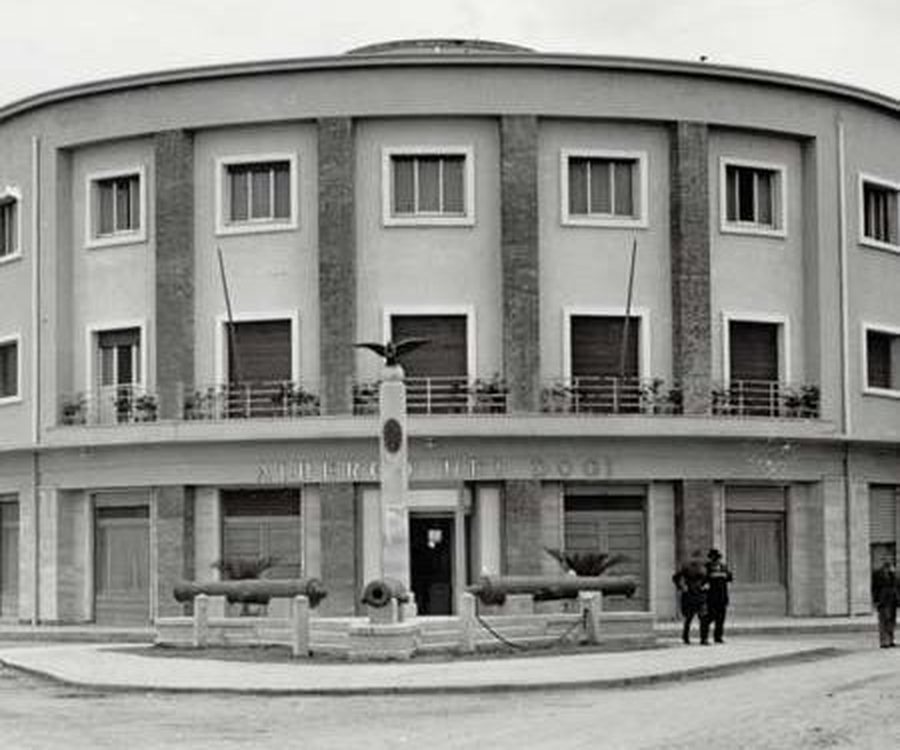
An important aspect of the history of the “Volga” Hotel in the city of Durrës is espionage. Since the hotel was in its foundations, the owners of the entrepreneurial, construction firm were placed under the surveillance of the Secret Office of the Ministry of Interior of the Zog Monarchy. The surveillance was carried out through the prefect and the District Command of the Durrës Gendarmerie, as well as the Tirana Gendarmerie. Although the official propaganda of the Monarchy left no opportunity to praise the excellent relations between small Albania and its great ally, fascist Italy, the Secret Office of the Ministry of Interior was doing its job.
Due to the influence of the team of British instructors at the Albanian Gendarmerie (General Joslin Percy, Colonel Okllai Hill, etc.), this secret office was modeled after the British Special Branch, as a counterintelligence and reconnaissance body at the same time.
Doubts
Omer Fortuzi, co-owner of the Straccioli-Fortuzi firm, although an Albanian wealthy man with no activity against the Zogist Monarchy, was under scrutiny for his connections with the Italians, who at that time were good allies of Albania. Fortuzi had legally served as an intermediary between Albanian landowners, mainly beylers, and the Italian concessionary company EIAT (Ente Italiana Agricoltura - Italian Agricultural Entity), for the acquisition of their lands in the Sukthi area, with a concession for 99 years.
In Tirana, Omer Fortuzi and his Italian partner were directly supervised by the capital's gendarmerie and the results were reported to Mr. Harito, an employee of the Secret Office, while in Durrës, the supervision was carried out by the gendarmerie and reported to the Prefect of Durrës, Mark Kodheli, as well as directly in Tirana. Interestingly, the prefect Kodheli, because of his Italian wife, was also supervised.
The Zogist Secret Office was right, because Prefect Kodheli, together with his wife, on April 5, 1939, boarded an Italian ship and fled to Italy. There, from Radio Bari, he called on the Albanians to welcome the Duce's soldiers with flowers, as saviors. The prefect's escape is documented in the report of Captain Gjeluc, of the Durrës Port Captaincy, to the Armed Forces Command in Tirana, to the attention of Colonel Ghilard.
Oversight
Although Omer Fortuzi was considered an Albanian loyal to the fascist regime, although he was a member of the Albanian Fascist Party and even a personal friend of Jacomoni, the King's Viceroy, he was still kept under surveillance and observation, both by the State Police (reporting was made to the relevant quaestors) and by the SIM (Military Intelligence Service), by Italian customs and by the Royal Carabinieri.
Regjimi fashist i kishte besuar Omer Fortuzit postin e rëndësishëm, veçanërisht në kohë lufte, atë të Komisarit të Lartë të Transporteve, Konsumit dhe Nozullimeve-Furnizimeve (Alto comissario per gli approvvigionamenti e consumi e transporti), megjithatë survejimi mbetej survejim. Ky është tipar i çdo diktature, ku cilido përveç Diktatorit, është sa përgjues edhe i përgjuar. Survejimi ndaj Fortuzit u rrit akoma më shumë, kur miku i tij Françesko Jakomoni, u zëvendësua si Mëkëmbës Mbretëror nga Gjeneral Renco Dalmaco (Renzo Dalmazzo).
Vizita në Romë
Kuislingu Fortuzi që në 10 maj të 1943-shit, ishte mbajtur nën survejim gjatë vizitës së tij në Romë, sepse dyshohej se bënte lojë të dyfishtë dhe të trefishtë. Hafijet italiane kishin arritur të dokumentonin një takim të Fortuzit me Mehdi Frashërin ish-Kryeministrin e Mbretit Zog, që mbahej i internuar në Romë. Në dokumentet italiane theksohen edhe hollësi të tilla si numri dhe shpërblimi special i agjentëve të kuesturës, që mbajtën nën mbikëqyrje Fortuzin gjatë vizitës së tij në Romë, rrezikshmëria e lartë e Fortuzit si edhe dinakëria dhe inteligjenca e theksuar e tij.
Paranoja e Mëkëmbësit të Mbretit, Gjeneral Parianit, është maksimale, saqë kërkon nga policia të mbikëqyrë Fortuzin se mos takojë në Romë funksionarë të lartë italianë, si gjeneralin Manlio Gabrieli, ish-atashe ushtarak i Ambasadës italiane në Shqipëri deri në 7 prill 1939, ish-Mëkëmbësin Mbretëror Françesko Jakomoni, ish-Konsullin e përgjithshëm Xhuzepe Anxhelis (Giuseppe Angellis) me gradën kapiten i Karabinierisë Mbretërore (interesante: Policia mbikëqyr oficerët e Karabinierisë. Atmosferë tipike paranojake normale për çdo diktaturë!)
Nga dokumentet sekrete italiane vërehet se si Fortuzi mbikëqyrej, kur kalonte në doganat italiane në Aeroportin e Romës, apo në portet e Brindizit e Barit.
Spiunimet
Kryepolici italian, Agostini, në 14 qershor 1943, i bën një biografi të saktë Omer Fotuzit, ku lavdëron, ndershmërinë, zellin në punë, inteligjencën, jetën e përkorë pa vese, por shpreh edhe mosbesimin normal, që kishin italianët për çdo shqiptar qoftë edhe kuisling. Funksionari i policisë italiane Ciccio, në të njëjtën datë thekson sherret e Fortuzit me funksionarë të lartë fashistë, si Paskuale Luxhini (Pasquale Luigini) Inspektor i përgjithshëm i Partisë Fashiste Shqiptare apo Korradino Berard, i Këshilltar i përgjithshëm pranë Këshillit të ministrave.
Po në 14 qershor 1943, Krye-komisari i Policisë Arturo Musko (Arturo Musco) në Romë, i raporton Dr. Aldo Barletës, Inspektorit të përgjithshëm të Policisë së Shtetit, se telefoni i shtëpisë numër 850-995, të Komendatorit Fortuzi në Romë, si edhe korrespondenca e tij, janë vënë me kohë nën përgjim nga policia romane. Omer Fotuzi përgjohet kudo: në stacioni hekurudhor të Romës, në atë të Brindizit, në Restorantin “Fiamma” (“Flaka”), në Aeroportin e Brindizit, në zonën e kontrollit doganor e, deri sa hipën në avion.
Raportohet shoqëruesja e tij dhe italishtja e saj me aksent grek. Raportohet shoqëria e Fortuzit me një mikun e vet italian, major karabinierie me forcat e okupacionit në Athinë e, deri sherri i Fortuzit me doganierët në Aeroportin e Brindizit, për peshën e bagazhit. Përgjimi më pas zhvendoset në Aeroportin e Tiranës, nga agjenti i Policisë shtetërore italiane Rafaele, i cili thekson se bagazhi i Fortuzit u mor në dorëzim nga z. Minolla, nëpunës i Mëkëmbësisë Mbretërore.
Spiunimi i Fortuzit vazhdon deri në 18 korrik 1943, fiks një javë para përmbysjes së fashizmit. Në këtë spiunllëk të fundit i bëhet një biografi “sterrë e zezë” Fortuzit, ndonëse ky i fundit vazhdonte të ishte funksionar i lartë kuisling, në shërbim të pushtuesve italianë.
Të gjithë spiunojnë të gjithë
Fatin e Fortuzit pati edhe vetë ndërtesa e Hotel “Vollgës”. Në korrespondencën e kohës me siglat: rezervate dhe sekrete, Komanda e lartë e Marinës Luftarake italiane, padit Ministrinë shqiptare të Kulturës Popullore. Ministria shqiptare e Kulturës Popullore dhe Enti i Turizmit, padisin në Mëkëmbësinë Mbretërore (Luogotenenza) Supermarina-n (Komandën e Lartë të Marinës Luftarake) dhe Nënsekretarin e Shtetit për Luftën. SIM-i (Shërbimi Informative i Ushtrisë Italiane) padit civilët.
Këta të fundit me anë të OVRA-s (Zbulimi Politik fashist), padisin ushtarakët italianë, ndërsa Policia e Shtetit (italiane) përgjon me hafije hap pas hapi oficerë të karabinierisë Mbretërore, me grada kapiteni apo majori. Policia po ashtu mban nën mbikëqyrje ish-diplomatë dhe hierarkë fashistë, madje edhe me grada të larta, si gjeneral, konsull etj. Shkurt atmosfera fashiste e vitit 1943, është shumë e ngjashme me atmosferën komuniste të vitit 1983. Të gjithë spiunojnë të gjithë.
Hotel “Vollga”
Kur Hoteli i “Dogjëve” (Hotel “Vollga”) u shndërrua në vend qëndrim të trupave gjermane, spiunllëku vazhdoi. ABVER-i Shërbimi i Zbulimit i Ushtrisë gjermane, mbledh informacion për ish-aleatët italianë dhe për rezistencën antifashiste shqiptare. GESTAPO (Policia e fshehtë naziste) së bashku me SD-në (Shërbimin e Sigurimit), po nga ambientet e hotelit, spiunonin elementë të vetë ushtrisë gjermane, për qëndrime anti-naziste apo qoftë edhe disfatiste.
Në 1945 SEMP-i, (“Seksioni i Mbrojtjes së Popullit”) -Shërbimi i Zbulimit Komunist i sapo krijuar nën drejtimin e kolonelit jugosllav Safet Filipoviç, spiunon ushtarakët dhe civilët e misioneve angleze, amerikane dhe franceze, si dhe shtetasit shqiptarë që kishin edhe kontaktin më të vogël me këto misione, pa harruar spiunimin e popullatës së Durrësit apo, edhe të vetë trupave partizane të vendosura në Portin e Durrësit.
Sigurimi i Shtetit
During the years of socialism, the “Volgga” Hotel remained one of the bastions of the State Security. From this hotel, agent work was organized for the surveillance of the clients of the hotel, bar, restaurant, as well as the summer runway. Special care was taken to supervise foreigners, sailors and diplomats, as well as cigarette smugglers from Quay Zero, but also Albanians, because the “Volgga”, unlike the “Adriatku” Hotel or the “Apollonia” Hotel, was also allowed to be frequented by Albanian citizens.
Among the Albanians most closely watched were those with “kleçka” in their biographies, those suspected of smuggling, but also the hotel staff themselves. The hotel premises often served as a meeting place for Sigurimi operatives with their agents or residents. It is said that some of the senior politicians from all political wings, active or retired, have had such an experience in the rooms of the “Vollgës” Hotel.
In addition to spying through agents and residents at the “Volga” Hotel, sophisticated eavesdropping equipment, the so-called TO - Operational Techniques, was also installed. This included “bugs” - electronic eavesdroppers of Chinese production and, in the late 1980s, also of the well-known French brand “Sagem”, purchased by the Teknikoimport Company, reel-to-reel recorders (dictaphones), magnetic tape cassettes and micro-cassettes, as well as binoculars, cameras and telephoto lenses, relatively modern for the time.
It is significant that the last act of espionage carried out from the premises of the Hotel “Volgës” was the filming of the removal of the bust of Enver Hoxha on February 20, 1991, at the entrance number one of the Port of Durres. This filming, among other things, became the cause of the judicial persecution of some of the participants of the anti-communist protest. We mention here the internee Gëzim Mamaqi, who publicly spat on the bust of the dictator on February 20, 1991, being applauded by the anti-communist people of Durres./ Memorie.al


Lini një Përgjigje