


 Shkruar nga Pamfleti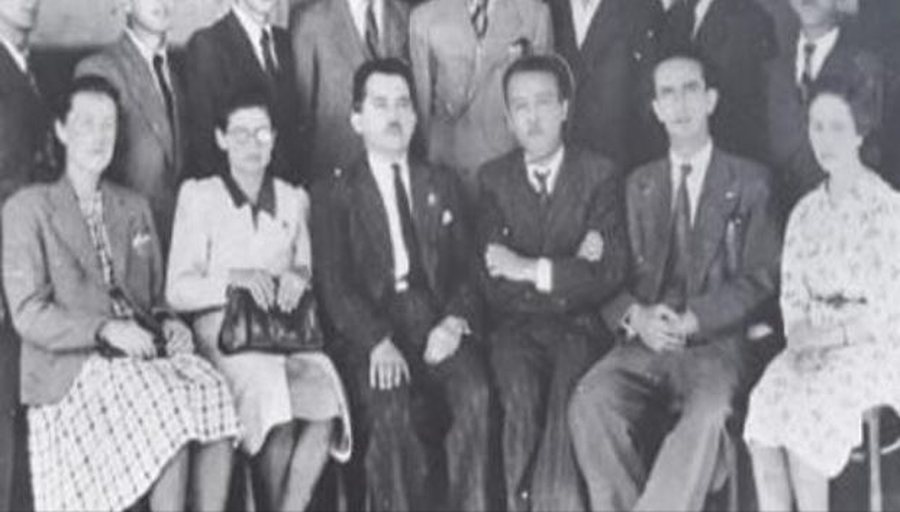
Nobility is born with man. It is passed down from generation to generation and is reflected in their actions and behavior towards others. Nothing can surprise him. It is a gift from God, which not everyone can be lucky enough to have. This blood was not absent in the Tërshana family. Oedipus, born on March 15, 1907, was the fourth son of Abdurrahman and Sabria. He is a member of the patriotic club "Bashkimi", he participates in the Assembly of Dibra on July 23, 1909. He works for the opening of Albanian schools with the Latin alphabet and is a participant with a weapon in hand in the great efforts of 1912-1913, against the Serbs.
Edip started elementary school in 1916 at the Albanian school in Dibra. In 1920, it closes and he begins work as an apprentice in a cell workers' guild. In 1922, they settled in Peshkopi. That same year, he continues the city school opened in Tirana, by the decision of Sulejman Delvina's government, for the children of Dibra. He graduated in 1923, and that same year he started the 'Normal' school in Elbasan, which he graduated in 1928.
On September 16, 1928, he started working as a first grade teacher at Shijak Plateau School. This goes on for years. He welcomed the invasion of Albania by fascist Italy with indignation. Disdainfully rejects the proposal to register as a member of the Fascist Party.
On November 27, 1942, when it was the 30th anniversary of the declaration of independence, Foqion Postoli's drama, "The Flower of Remembrance", was staged on his initiative, and the enthusiasm was unprecedented. The hall was rather ignited by the fiery words of Edip Tërshana and Beqir Haçi. The next day, the big demonstration in the square, for the day of the flag. Clashes with the forces of the quaestor.
In the spring of 1942, Edip came into contact with anti-fascist elements such as Irfan Hajrullai and Mustafa Gjinishi. They are familiar with the proceedings of the Peza Conference. Based on its decisions, the need to create the Anti-Fascist Council of Dibra was laid out. With its creation, the chairman of this Council is elected. His main motive was the fight against the fascist invaders. All political forces of the country took part in it.
On September 8, 1943, Italy capitulates and Oedipus contacts the English captain, Hendz, and the commander of the Italian "Florence" battalion, Armando Picci, about the future of this battalion. It is decided that the forces of this battalion will be placed at the disposal of the High Command of the Allied Middle East Division.
The division leaves Dibra and the Anti-Fascist Council emerges from illegality, but the roads took a different course, completely unacceptable. The defense of the city was taken over by the partisan command that was waiting for the return of Haxhi Lleshi.
Unsurprisingly, looting began in the city and several houses, mainly belonging to nationalists, were also burned. On September 9, 1943, a meeting was organized in the Prefecture. Oedipus asks for an explanation of the situation, but no one gives him an answer.
The great betrayal of the Mukje Conference had begun to be implemented by the leaders of the Communist Movement. Oedipus is forced to resign as the chairman of the Anti-Fascist Council, in protest.
The consequences of Mukje had already spread throughout Albania. Oedipus and the English captain Hendz, seek to find a way of reconciliation between the forces that were coming to a fratricidal war.
On September 24, 1943, a meeting was organized between Mit'hat Frashër, Hasan Dosti and Isuf Luz, with the leaders of Dibran, Fiqiri Dine and Cen Elezi, with the aim of organizing a Dibran National Committee.
But events had taken their course. The Communists had been able to take over the leadership of the Council. According to their instructions, alongside the Albanian flag, the Macedonian flag was also raised. The first sign of the great betrayal that would continue later, with the surrender of these Yugoslav provinces. Oedipus finally renounces this council.
In March 1945, he went to meet his son-in-law, Habib Gega, who was in prison. Get in touch with Qenan Dibra, who recommends Suat Asllan as a lawyer. They inform him about the anti-communist movement, which had started in Tirana, with the participation of people from different currents. They proposed the organization of such an anti-communist and democratic organization in Dibër.
Oedipus began to implement this when he arrived in his city. There he meets his friends, Shefqet Shehu, Eqerem Kukeli, Rasin Fetah, Islam and Xheladin Ndreu, with whom he creates the core of the organization that would be called the "Democratic Union" and that would gather around him, representatives from different currents, as social democrats, monarchists and resistance groups. He maintained his connections with Tirana through Qenan Dibra.
The above activity could not fail to catch the attention of the State Security. For this, according to instructions from the center, Oedipus retreats for a while. Cen Elezi with his ten sons; Islam, Xelal, Gani, Xeladin Ndreu, etc., Dan Kaloshi and Menaj e Lura, are forced to take the mountains.
Shefqet Shehu, Rasim Fetahu and Eqerem Kukeli are arrested. Qenan Dibra, Suat Asllani, Ivzi Golja and others were also arrested in Tirana. The terrible communist terror had begun.
The arrival of Hysni Alimerko as a professor of literature at the end of September 1946 gave new impetus to the underground anti-communist movement. She had found in his person, the man who knew how to lead and give excellent lectures on organization. Hysni Alimerkua, born in Tragjas of Vlora, received primary and secondary education in his country.
Pastaj shkoi për studimet e larta në Firence të Italisë, ku u diplomua për letërsi. Gjatë luftës, ka qenë sekretar i Financës së Komitetit Krahinor të Organizatës së “Ballit Kombëtar” për Vlorën. Takimi me Edipin, bëri që pikëpamjet e tyre të ishin të njëjta. Së bashku me Jani Ikonomin, Alqi Nushin dhe Kozma Gjergon, u bënë strumbullari i Lëvizjes Antikomuniste në Peshkopi.
Më 17 maj 1947, në Dobrovë, shefi i Sigurimit të Shtetit për atë zone, krimineli Kopi Niko, kryen arrestimin e Edip Tërshanës. Arrestohen gjithashtu edhe Hysni Alimerko, Jani Ikonomi, Alqi Nushi dhe të tjerë. Për të detyruar të arrestuarit të pranonin akuzat falso, u provuan llojet më të tmerrshme të torturave.
Vetëm ata që i kanë provuar ato në shpinën e tyre, mund t’iu tregojnë për to. Por më mirë të mos flasë. Ato duken si të pabesueshme dhe të sajuara. Megjithatë një gjë dihet. Të gjithë qëndruan si luanë, pa u përkulur para dhunës së ushtruar.
Në mbarim të hetuesisë, Edipin e lejojnë të takojë vajzën dhe djalin. Ky takim la mbresa në shpirtin e tij. Ju kujtua e kaluara. Ata i kishin sjellë disa ushqime të mbështjella me një gazetë “Bashkimi”, që qarkullonte në atë kohë. Anët e kësaj gazete përdori Edipi, për të shkruar dy letra, njërën për të bijën, Lirinë, kurse tjetrën për diktatorin Enver Hoxha.
Pastaj vendosi t’i jap fund jetës, duke prerë damarët. Të mbytur në gjak e gjeti një nga rojet rastësisht. Në letrën drejtuar Lirisë shkruan:
“Ëndrra ime është që Shqipëria të bëhet siç dua unë. Ajo do të realizohet dhe ju do të gëzoni emrin, si bij të saj. Të jeni kryelartë se vdes si shqiptar”.
Ndërsa në letrën drejtuar diktatorit Enver Hoxha, ndërmjet të tjerave, thekson me krenarinë e një nacionalisti të vërtetë:
“Ideali kombëtar më ka ba qi të jem kundra Lëvizjes Nacionalçlirimtare, unë qi kam qenë krijuesi i saj. Ju, jo vetëm hoqët dorë nga Kosova dhe Dibra, por, sot pushteti juej i quejtun popullor, asht në robni të Belgradit politikisht dhe ekonomikisht. Kjo asht tradhti!
Jam kundra për vrasjet me gjyq dhe pa gjyq, qi i bahen këtij populli. Jam kundra për burgosjet e 20.000 apo 30.000 shqiptarëve, vetëm e vetëm se nuk janë komunistë. Dhe kjo vetëm pse kështu don sllavi. Kjo asht tradhti”!
Më 17 nëntor 1947, filloi gjyqi kundër 12 të akuzuarve. Para gjykatësve komunistë, ndodhen Edip Tërshana, Hysni Alimerko, Jani Ikonomi, Ali Nushi, Rexhep Mborja, Selim Graceni, Adem Shehu, Rifat Dibra, Mahmut Ndreu, Elez Selishta, Ferit Pervizi dhe Munir Shatku, të cilët para gjykatësve, qëndruan si heronj.
Më 21 nëntor jepet vendimi. Edipi, Hysniu dhe Jani, dënohen me vdekje me pushkatim. Të tjerët me burgime të rënda. Të arrestuarit kthehen në qeli, në pritje të zbatimit të vendimit. Në fund të dhjetorit, lejohet takimi i fundit. Xhevria, e shoqja Edipit, dërgon fëmijët. Fjala e fundit e Edipit, drejtuar atyre ishte: “Mos vishi petkun e tradhtisë”!
Personally, I had the good fortune to meet two of the main characters of this group. I met the lawyer Jani Ikonomi in the Ura Vajgurore camp. A special man. A rare intellectual and idealist. A teacher of nationalist sentiments, for us prisoners of the younger generation. He often told us: "Don't faint, don't bow down to torture and hunger!
Stand with your head up, as our ancestors did! The future of Albania is certain. The blood of the fallen is her food. The time will come when people will break away from red demagoguery and start building the future of the homeland, the truly democratic future. I am sure of that."
Today, Jan is no longer alive, but his ideal triumphed over communist dogma. I met Hysniu after he got out of prison, but rather we connected with the democratic changes, when we were fighting in the Association of Former Persecuted and Political Prisoners, for the realization of the legacy of our fallen, for the eradication of communism from our country. His idol was Edip Tërshana.
When he was released from Burrel prison after 20 years and was returning home, he stopped in the city of Kavaja. He wanted to meet Xevria, Lirina and Nihat, his best friend's family, who lived there. He knocked on the gate. It opened and they were stunned. It seemed as if Oedipus appeared before them. They sat that evening all night, talking, and the next day he left for Vlora.
He could not forget the last moments of his immortal friend, Oedipus, described so painfully in front of him: "It was the middle of the night and either from the psychological load or from the cold, we could not sleep. It must have been half past two in the morning, when we hear an order given to the soldiers: Prepare your weapons! From his dungeon, we hear the voice of Oedipus telling us:
– 'These are not good signs. I'm one hundred percent dead. However, whoever will be saved, let the children know the truth. Trust the boy! It is not long before we hear Kopi Nico addressing Oedipus. - 'Are you ready? Come out then'.
They put him in the car and left. Its noise was heard for a while, then it was covered by the sound of the river. After a while, a burst of gunfire was heard. Oedipus was separated from us. A sergeant from Pogradec, who served there, told us his last moments. When the prosecutor asked him about the last word, he answered: "Long live Albania"! In Hysniu's eyes, I saw two drops of tears. Memory.al



Lini një Përgjigje