


 Shkruar nga Ferdinand Dervishi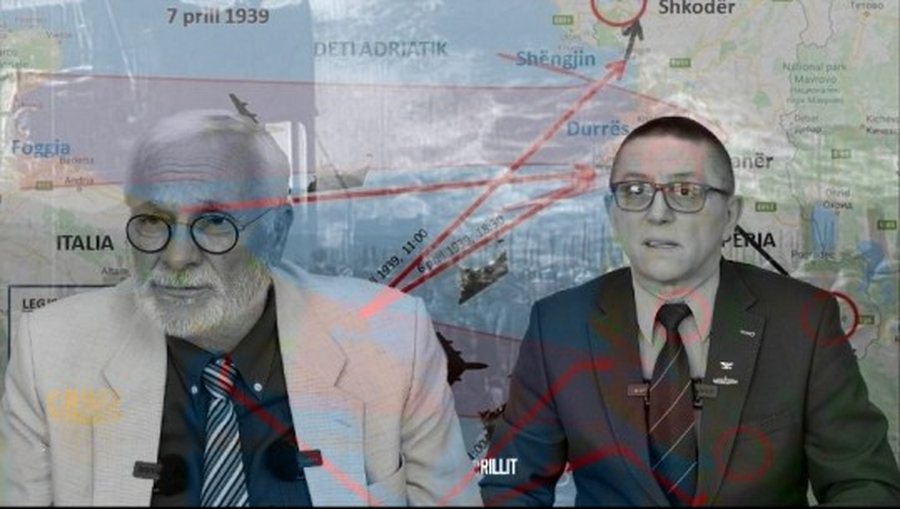
After the communists took power, propaganda would endlessly produce films, documentaries, stage plays, publish historical studies, art books, poems, stories, novellas, novels, etc., all on the theme of resistance against the fascist occupation. -Italian or even Nazi-German and this would not stop until the end of their era.
On April 7, 1939, Italian military troops invaded the neighboring country, Albania.
The resistance of the Albanian army would be completely minimal. Within a calendar date, the Italian troops would capture the capital, Tirana, and 2-3 days later, the occupation of the entire territory of Albania would be called completed.
After the communists took power, propaganda would endlessly produce films, documentaries, stage plays, publish historical studies, art books, poems, stories, novellas, novels, etc., all on the theme of resistance against the fascist occupation. -Italian or even Nazi-German and this would not stop until the end of their era.
The hype of the propaganda about the history of the Italian invasion had the effect of a repeated refrain in everyone's mind, which spoke of the great betrayal of King Zog, leaving the army to the mercy of fate, without the necessary armament, or with sabotaged weapons.
But how is the truth?
Historical evidence says that, despite leaving Albania, King Zog longed for a strong military resistance, but this did not happen, as someone else sabotaged it.
For the first time, the documentary series CRIME STORY brings a number of exclusive documents, signed by Italian soldiers who participated in the invasion, which reveal the truth of April 7, 1939.
A truth that says that the resistance was sabotaged and reduced, to the minimum possible, by the Italian secret services, especially the Italian officers who led the Albanian Military Navy as well as the officials of the Durrës consulate, all of whom were supported by a good part of pro-Italian officials of the administration of the Kingdom of Albania.
Here is the content of one document:
The following materials arrived on board the ship, apart from the personnel of the officials:
2 clandestine radio-transmission stations, all the wheels of the three naval batteries positioned in Durrës, the needles of the two 47 millimeter cannons of the Torres of the Navy, various parts of the neutralization of the 8 machine guns (6 in the Torre and 2 in the consulate), the bolts of all the rifles, the figures of the entire secret archive and command reserves, as well as various personal items.
This has made it possible, that during the landing, no type of armament of the Navy, positioned or existing in Durrës, will be used against us.
These data, which are published for the first time and prove the sabotage of all the weapons of large and small calibers of the Albanian army units in Durrës, are found in the report of one of the Italian officers, who, ironically, until April 7, 1939, it had been part of the Albanian Navy.
Si të njoftonte përfundimin e një epoke, më 8 prill 1939, në datën e përpilimit të raportit, ai ka shkruar: “ish-marina shqiptare”.
Në fakt pushtimi i Shqipërisë kishte qenë një ëndërr e vjetër e idhtarëve të Perandorisë Romake.
Një ëndërr që ishte rizgjuar me ardhjen në pushtet të Benito Musolinit.
Pas ardhjes në pushtet, ai e kishte zgjidhur qesen për Shqipërinë duke akorduar, qysh në vitin 1925, një hua goxha të fryrë, prej 50 milion frangash ari.
Qëllimi i Musolinit ishte diabolik, pasi pjesa më e madhe e të hollave do të shkonin për ndërtimin e sistemit rrugor të Shqipërisë, sidomos të segmenteve që shkonin drejt kufijëve me Greqinë dhe Jugosllavinë.
Me anë të një dekret-ligji shuma u përpjestua në këtë mënyrë:
Për rrugët do të shpenzoheshin 14.2 milionë franfa ari.
Për ndërtimin e urave - 10.5 milionë.
Për ndërtimin e porteve - 6.6 milionë.
Për hekurudha - 3.3 milionë franga ari.
Për ndërtesat qeveritare - 9.7 milionë franga ari, e të tjera.
Por Benito Musolini nuk do të hidhte vetëm florinj në Shqipëri. Ai do të instalonte, pranë administratës së Shtetit Shqiptar, edhe një numër specialistësh, sidomos në radhët e ushtrisë.
Për habi, të dërguarit e Musolinit me qëllim organizimin e ushtrisë shqiptare, e kishin krejt të qartë, qysh në vitin 1927, se përse i kishin dërguar në Shqipëri.
Qëllimi final i gjithë punës së tyre ishte përgatitja e terrenit për pushtimin e ardhshëm.
Organizimi i Ushtrisë Shqiptare me ndihmën e këshillatarëve italianë fillimisht u përqendrua te Krijimi i Marinës Ushtarake dhe forcave Tokësore. Krijimi një Force Ajrore mbeti vetëm një dëshirë.
Porse, në kuadër të organizimit të ushtrisë shqiptare, blerja e parë e madhe e mjeteve shkon keq, pasi vërtetohet një skemë korrupsioni.
Fjala është për dy anije ushtarake të përdorura, të blera në Gjermani, fillimisht të prodhuara si minahedhës cektinash, apo bregdetarë.
Qëllimi kryesor i blerjes ishte përdorimi i tyre për të goditur kontrabandën detare të mallrave të ndryshme, që në këtë periudhë ishte krejt e pakontrolluar.
Për habi, shtetarët shqiptarë të kohës reaguan, duke ngritur edhe një komision hetimor, të drejtuar nga Rauf Fico.
Koha do të tregonte se anijet e blera në Gjermani ishin krejt të pa përshtatshme për të bllokuar kontrabandën, dhe se, për këtë qëllim, duheshin anije të tjera.
Prag pushtimi italian do ti gjente forcat ushtarake shqiptare edhe të drejtuara nga ushtarakë italianë, edhe pa moralin e duhur për të mbrojtur atdheun.
Për më tepër që të gjitha armët e rënda, përfshirë topat bregdetarë, mitralozët apo edhe të gjitha armët e lehta, ishin sabotuar.
Gjithsesi rezistencë organizohet.
Ajo do të komandohej nga Major Abaz Kupi i xhandarmërisë, forcat e të cilit posedonin edhe tre mitralozë austriakë si dhe një bateri prej 4 topash “SKODA”, sërish të prodhimit austriak.
Njëkohësisht, në ndihmë të xhandarmërisë dhe trupave ushtarake do të shkonin edhe disa qindra vullnetarë të armatosur me pushkë të vjetra.
But let's see how, in their reports, the events of April 6 and 7, 1939, have been reflected by the military and, further, by the Italian diplomats of the consulate in Durres.
The first action, carried out on April 6, 1939, would be the evacuation of Italian citizens from Albania, including any functionary of the Albanian state who supported the Italian occupation.
This is how the events were described, in a report dated April 14, 1939, by the regent of the Italian Vice-Consulate in Durrës, a personage who was apparently part of the Italian secret service:
"On the 6th, at 6 o'clock, the combat steamer "TIRSO" arrived at the port to board the remaining compatriots. At 9 o'clock TIRSO was replaced by Torpediniera LUPO. At 17:00 in the afternoon, after I gathered 75 compatriots who came from Burrel, Berat and other parts of Albania, together with the commander of the LUPO, we decided to send the 75 people with an Italian motor yacht, which we were lucky enough to seize while it was entering port. So I could continue with the operation to save the Prefect of Durrës, Lord Kodheli, who had been recommended and entrusted to me. Although this operation was sniffed out by the Albanians, I went down to the ground several more times. At 6 p.m., the LUPO commander advised me not to get off the torpedo boat again, because the Albanians could catch me."
During the night between April 6 and 7, 1939, there were also attempts by the Albanian resistance to mechanically block the entrance to the Port of Durrës. Everything is described in detail in the report of the Italian Consul of Durrës.
"During the night between April 6 and 7, the torpedo boat made various movements in the port. Fearing that the Albanians could block the port with motorboats, I found the opportunity to send two of them away. And in fact, near the evening, a small cargo ship, the MISIRI, which was loaded with cement, approached with the intention of sinking it at the entrance of the harbor, but the captain, in due time, left at a distance, together with the cement. .”/ Albanian






Lini një Përgjigje