


 Shkruar nga Pamfleti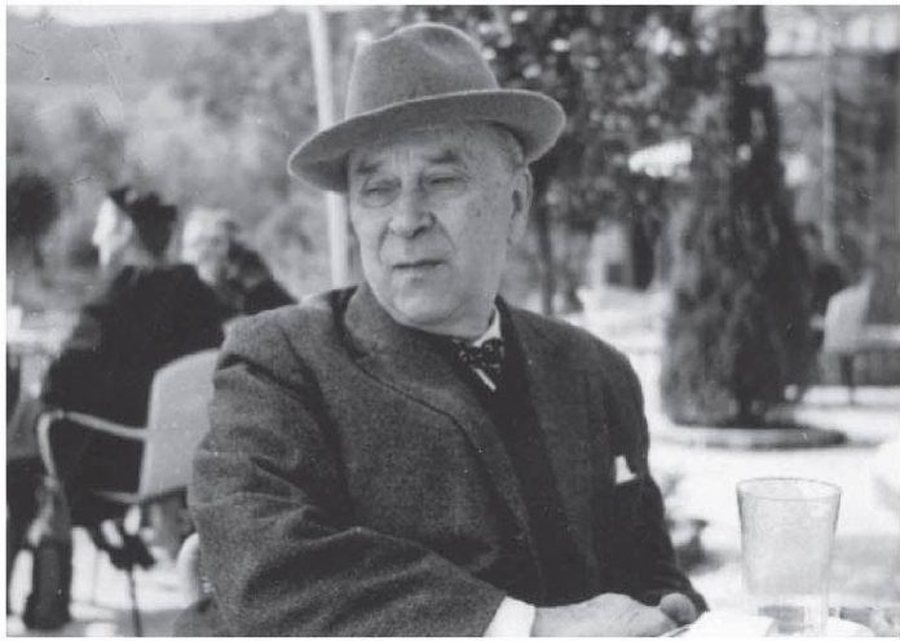
-How was the life of the sole heiress of Eqerem bey Vlora, from saraj and servants, to poverty?!-
The sole heir Eqerem bey Vlorës, (his father Syrjai, the son of Ismail Qemali's uncle), passed away a few years ago. Once, in this interview, she told us about her life after her father's departure to Italy, where he worked as a journalist. What he inherited in wealth and in the way of life from the family of great beylers, to whom he belonged. "At the south-eastern entrance of the city of Vlora, at the intersection of many roads, starting from 'Rruga e Skele' and leading to the center of the city, in the middle of a large park of 40,000 square meters, surrounded by eight-meter high walls and with two gates in it, it was until 1925, a huge building, with another smaller one in front.
He was the guest house of Vloraje, including the harem (women's dwelling) and the selamllek (men's dwelling). But the people simply called this complex; 'the bey's palaces'. Here, on December 1, 1885, I was born, the son of Syrja bey Vlora and Mihri hanen Toptan. And as my mother tells me, "I was born with a shirt", that is, as a kanakar of fate. This popular belief has really brought me luck in my life, but I have never been happy". These fragments of descriptions from her father's childhood, the second daughter of Eqerem bey Vlora, Ajnishaja, the only descendant left by him, until a few days ago, had read them, like all of us, from the book "Memories" of written by his father.
She had heard small fragments of him from her mother, in the long years she lived with her and her sister, but she could never hear anything from her father himself. Fate wanted her, that, unlike her father, she was not born "with a shirt", not to be a kanakar of fate, and to feel happy only in the last years, during her old age. This happiness, given by the descendants, that would give her children and, from those material memories, that she would regain again from her father. 'Bey's house', as it continues to be called, has always been called in Vlora, had passed to the remaining heiress of the family, thus giving her the opportunity to really get into the memories that her father had written down.
Only imagination could help him, as in the photo taken during a dinner in Vienna, where it was selected as the most beautiful "puzzle", to form the huge fireplace of the living room, the rich library, of which only the wood was left cherry, with moth spots. So what had he seen in the remaining family photographs, and what did he still remember from his mother's frightened confessions. By the time she was grown up, worthy to sit down with her mother, conversations about her father could only be done through her teeth, controlling her voice so as not to be heard, otherwise, danger could appear at any moment.
Anishane, Eqerem bey Vlora left him so small, that she herself cannot even have a vague idea of his image. Therefore, even when we asked her about family events related to her (those they had told her, which are not part of the memories in his books), she could not build them in a chronological order, but she separated situations or experiences that, despite the years he carries on his shoulders today, they are still in front of his eyes.
Ms. Vlora, beyond the politics of history, do you have any vivid memories of your father?
I can't have vivid memories, because I was very young when he left Albania. I was only nine months old. My sister, who was almost 12 years older than me, was lucky enough to know her and spend part of her childhood with both parents, while I did not. In addition, the years that have passed, but also the physical difficulties that I have gone through, have taken their toll, even the stories about him, I no longer have them all in my memory.
Another reason why this happens is because they were told to me, almost in a low voice. After my father left, life became very difficult for us, we moved from one place to another and, in order to stay at this level of living, that is, not to end up even worse, you had to have 'correct' behavior, so , the topics around him, should not be frequent. Undoubtedly, no one, under any circumstances, could deny them to us, but we always did them shyly.
Can you bring us some of those stories?
As you may know from history, after the formation of the government of Ismail Qemali, who was my paternal uncle, my father was elected deputy, was a member of the government and has continued since then to be in various leadership positions, as a minister of Foreign Affairs, Minister of Liberated Lands of Kosovo, etc. He was a friend of Fan Noli, even though he had different views with him, he was a friend of Prince Vid, and others like these, which you have probably read. In 1925, he married my oldest, Hadije Vrioni, and after that my sister, Lajla, was born, and years later I too. Lajla was born in Rome, while I was born in Albania.
Didn't Vloraj have tribal ties with Vrionas?
Po, kanë pasur dhe në fakt im at, i binte ta kishte time më njëkohësisht, kushërirë të tretë. Por martesa e tyre është bërë me mblesëri, kështu funksiononte atëherë. Ishte një siguri nga ana e të dyja familjeve, që pasuria të qëndronte mes tyre. Im at, e ka shprehur edhe vite më vonë pas martesës, duke e konsideruar atë si një gabim. Ka thënë shprehimisht se; “nuk duhet të isha martuar me time kushërirë”. Në fakt, ka ndodhur e njëjta gjë edhe me babanë e tij, e ëma e Eqerem beut, ka qenë prej familjes Toptani…! Po, ka funksionuar e njëjta skemë, që siç dihet është bërë për të njëjtat arsye.
Lukset e bejlerëve, përveç jush, të gjithë i kanë shijuar. Motra juaj vetëm për disa vite, por mamaja po, sepse edhe vetë vinte prej po këtij rangu. Ç’ju kanë treguar?
Po ju tregoj për humor diçka që më ka ndodhur pas viteve ’90-të, kur shkuam në Itali me tim shoq, si gjithë shqiptarët e tjerë. Ishim edhe ne mes turmave të njerëzve, që prisnin lëmoshë prej nga t’i vinin. E kam fjalën për ushqimet që na hidhnin italianët, në kohën e eksodeve. Tim shoqi i pati rënë një banane pranë dhe nuk dinte si ta hante. E kthente e rrotullonte, duke u përpjekur ta kafshonte me gjithë lëkurë. As unë nuk kisha parë ndonjëherë, ama sa ma tregoi, më erdhën në kujtesë, mes asaj lufte për mbijetesë, tregimet e sime motre për një frutë tropikal, që piqej në vendet e ngrohta. Më tregonte sesi ky fryt hahej, pasi i ishte hequr lëkura.
Bëhet fjalë që ajo i kishte provuar që në vitet ’30-të. Vetëm nga përshkrimi i kam njohur dhe i kam thënë tim shoqi, se si duhet ta hante. Ky është një episod që e kujtojmë shpesh e, qeshim. Pastaj, mamaja më ka treguar për vitet e bukura të jetesës së tyre. Udhëtimet e darkat, ku ftoheshin nëpër vende të ndryshme të Europës. Emocionet e mira që ndiente, kur e veçonin si më të bukurën nga të tjerat, për ta fotografuar. Më ka treguar për një darkë në Vjenë, kur babai ka qenë ministër i Jashtëm. I ishin afruar për t’i kërkuar leje, nëse mund të fotografonin të përzgjedhurën e asaj darke. Atë fotografi të familjes, mund ta shihni këtu mes të tjerash.
Ju ka ardhur keq që ju s’keni qenë pjesë e këtyre privilegjeve?
Atëherë ndoshta po, tani që jam mirë me familjen time, me nipër e me mbesa, gjërat kanë ndryshuar, sado që tepër vonë. Atëherë po, domosdo që kishe keqardhje. Për shembull, gjatë ecejakeve në Tiranë, kur ende ishim të pastabilizuar, sepse nuk dihej se ku do na çonim, kaloj përdore me mamanë përpara godinës së Ministrisë, ku kishte pasur zyrën babai. Ime më më tregon duke kthyer shikimin andej, nga kishte qenë dritarja e zyrës së tij, me pamje nga rruga. Në atë situatë që ishim ne, ku s’i dihej sesi do të na vinte filli, të kishe të tilla përjetime, të vinte keq patjetër.
Apo koha kur kishin jetuar për pak në Angli e, babai pyeste mamanë, nëse do t’i pëlqente të jetonin përgjithmonë aty. Pretendimet e saj për kohën kur më rrëfeheshin mua këto gjëra, ishin krejt qesharake e, të dhembnin. “Jo, i thoshte, nuk më pëlqen të jetoj këtu, sepse s’e duroj dot avullin nëpër xhama, brenda dritareve”. Më tregonte se prej të ftohtit, xhamat atje ishin dopio dhe krijonin avuj, që atë e bezdisnin. Edhe sot, këto teka të bëjnë të qeshësh.
Tekave ajo nuk mund t’u shpëtonte. I kishte lënë në shtëpinë e vjetër e, i kishte gjetur në atë të renë…?
Po, po, ime gjyshe, Mihrije Toptani, ka qenë më shumë se kaq. Më tregonte mamaja se si njëherë kishte kërkuar prej kuzhinierit italian të familjes, Hozesë, t’i gatuante arapash, siç i thoshte ai, polenta. E meqë ish zevzeke nga natyra, kalonte nga kuzhina, demek për ta kapur në befasi. E bëri këtë gjë edhe kur kishte kërkuar arapashin dhe e gjen Hozenë, duke provuar gatimin me lugë, të cilën e rifuti në enë. Reagimi i saj ishte i menjëhershëm, aq sa kuzhinieri, u pushua nga puna. Pas viteve ’90-të, kemi takuar Mirton, punëtorin që bënte pazarin. Rrëfimet e tij, që ne i bëjmë tashmë në të qeshura e sipër, natyrisht, janë pafund.
Nuk numërohen herët që gjyshja ia kthente mbrapsht mishin që kish blerë, sepse nuk bënte. Një nga këto herë, Mirto kish takuar rrugës Eqeremin, i cili pasi e merr vesh ç’kishte, i thotë që të rrijë, të pushojë ca kohë në stol e, të kthehet në shtëpi, demek e ka ndërruar mishin. Mihrija as që kuptonte gjë dhe e lavdëronte mishin e dytë. Kështu shpëtuan të gjithë.
Ç’u bë me ju pas largimit në Itali, në ’44-n, të babait?
Pasi vendosi të largohej, babai na çoi te halla në Tiranë, te ish-Ambasada Kubaneze. Jetuam atje, deri në ’50-ën. Mamaja i kërkoi të na merrte me vete, por ai kish frikë nga të papriturat e detit e motit të keq dhe nuk na mori. Pasi na hoqën edhe nga halla, shkuam në Babrru, te një kushërirë jona, e pas asaj në Durrës. As aty nuk na lanë, derisa përfunduam në Kavajë, ku mundëm të gjenim strehim e ku më në fund, njerëzit nuk po na trajtonin si në vendet e mëparshme, ku kishim qenë, ishin të mirë me ne.
Ndërkaq kishit lajme nga babai, ç’ishte bërë me të?
Babai kishte shkuar në Itali, ku vazhdoi të qëndrojë për 10 vite, duke punuar si gazetar në Rai-Uno. Në kohët e para nuk dinim asgjë, përveçse që ishte gjallë, sepse të gjitha letrat a pakot që niste, ktheheshin mbrapsht. I lejuan vetëm për një farë kohe në vitet ’60-të, pastaj sërish u ndërprenë. Dërgonte letra të shkurtra me pseudonim, kartolina, ku shkruante fare thjesht.
Me ç’pseudonim, e kujtoni?
Po, si të mos e kujtoj, andej i kishim të gjitha shpresat. Nënshkrimi i tij, ishte Adalxhiza Rosi.
Po ju si e ndërtuat jetën në Kavajë?
We lived on the little we could get from my father, some money, he sent us through my aunt's daughter, who also lived in Italy. We finished school, until the end of high school. Then I, unlike my friends, started working in a nursery. The sister worked in construction, but died at a young age, from a flu, since then it was called "Hong Kong".
After her death I got sick and had bad years. Mine asked me for a job in the Central Committee, where he shot a Vlonjat who helped him. Even I, after I got better, was put to work in ceramics, at the Kavaja Artistic Center, where I worked until I retired. That's where I got married and started my family. Mom died in '84.
From your father until when did you have news? What happened to him after leaving Italy?
After getting a little old, the father moved to Vienna, where he worked as a journalist, but with less time. He lived there with his mother's sister, who was Hëna Këlcyra's mother, until she died at the age of 78, of a heart attack.
Can you tell us a little about the history of the flag that Eqerem bey Vlora brought from France.
According to the legends, when the father was in France, he met a young man, who was from the tribe of Skenderbeu, his name was Aldo Kastrioti. He gave her a flag, which my father put in a frame and kept at home, even in the bedroom, as my mother told me. In '12, when the flag was going to be raised, Ismail Qemali was told this and he sent Eqerem home to get the red and black flag.
The father had told him that he could only lend them this flag, however he had told them that in the "Muradije" neighborhood, there was a Marigo that embroidered very beautifully. Based on this pattern, she could embroider the flag they wanted. And that's how it sounded...! His library, if not as flag, has been quite heard, for wealth.
So much so that in that house that is yours today, it was the city library for years. What was left of it when you repossessed the house?
The father knew 11 languages, so you can guess what diverse literature was on the shelves of his house. It was said that his library was one of the best in the Balkans. After '90, only the destroyed furniture was left of it. A part of them is said to have been taken by Yugoslavia in 1945, while the rest may be in Tirana. It has mainly been rich in encyclopedias. Through acquaintances, we learned that some of them are also in Vlora. Lately, it has even been discovered that the 'Dance of Swords' is in the Museum of Vlora./ Memorie.al


Lini një Përgjigje