


 Shkruar nga Pamfleti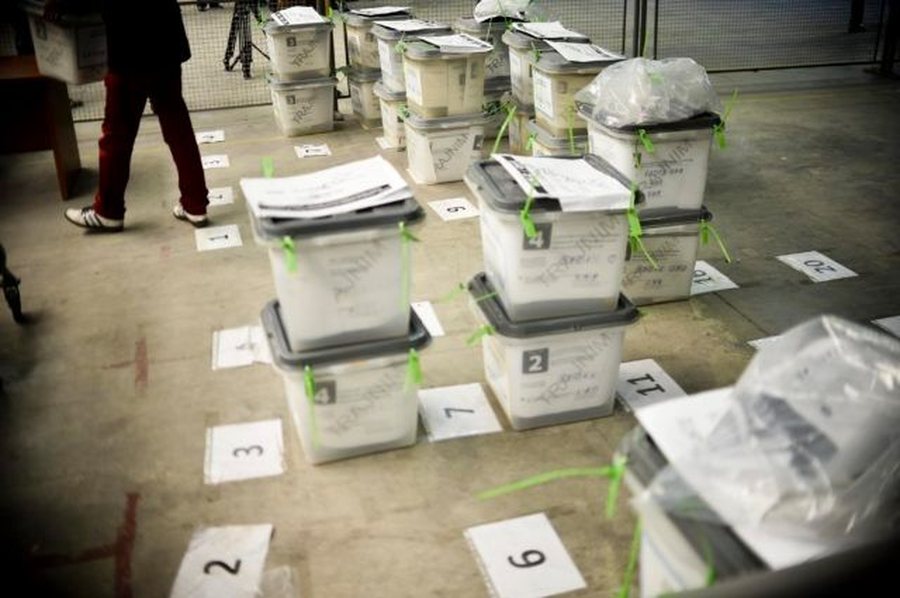
The May 2025 parliamentary elections showed that the number of voters within the country was reduced by 200,000 people compared to the 2021 elections.
Official data from the CEC indicates that domestic voters had a strong decline in the Berat Region with 17%, followed by Korça, Elbasan and Gjirokastra with a 16% decline.
These districts have been experiencing for years the combination of factors of continued immigration and population aging, reducing the resident voter base.
The main factor in the decline is emigration, as according to Eurostat data, in 2022 and 2023, around 100,000 people emigrated from Albania to EU countries.
Out of a total of 1,661,176 voters within the country in 2021, this year, 1,461,899 citizens or ‑12% at the national level showed up at the ballot boxes.
Tirana is the region with the largest weight with around 449,667 voters in 2025, a decrease of 7.8% compared to 2021. Despite the decrease, Tirana represents 30.8% of the active electorate from 29.4% in 2021, strengthening the decisive role of the capital.
In the other large districts of Fier, Durrës and Elbasan, the decline was in double digits (see graph below). These districts collectively lost over 70,000 voters.
In the northern regions, Kukës, the decline was 10%, in Lezha 9.3%, in Dibër about 10% and in Shkodra 15%. Kukës has a lower decline after having suffered a strong wave of emigration before 2021, while in other regions, such as Shkodra, the population outflow has been constant.
According to Census 2023 data, Shkodra was the region with the largest population decline compared to 2011.
The number of voters is not fully related to the number of people over 18 years of age, as many people were unable or unwilling to participate in the elections.
The country's population is a dynamic indicator that changes based on births, deaths, emigration, etc., but comparing two fixed data on the number of voters shows an increasing trend of population contraction in the country.
Polls have shown high levels of distrust among young people towards the party's offer, leading many of them to not participate in elections. This trend may have increased further in 2025.
Economic factors also, with the rising cost of living and the lack of social incentives, reduced interest in voting.
Unregistered internal migration widens the gap between lists and reality, causing citizens to appear but not vote.
Political fatigue and lack of alternatives are considered another reason that is reducing voter turnout, adding to the distrust that voting brings real change.
If the trend is not curbed, parties will face an increasingly smaller electorate and more concentrated in the capital, while the legitimacy of electoral processes will increasingly depend on the real inclusion of the diaspora and the updating of civil registries./Monitor






Lini një Përgjigje