


 Shkruar nga Pamfleti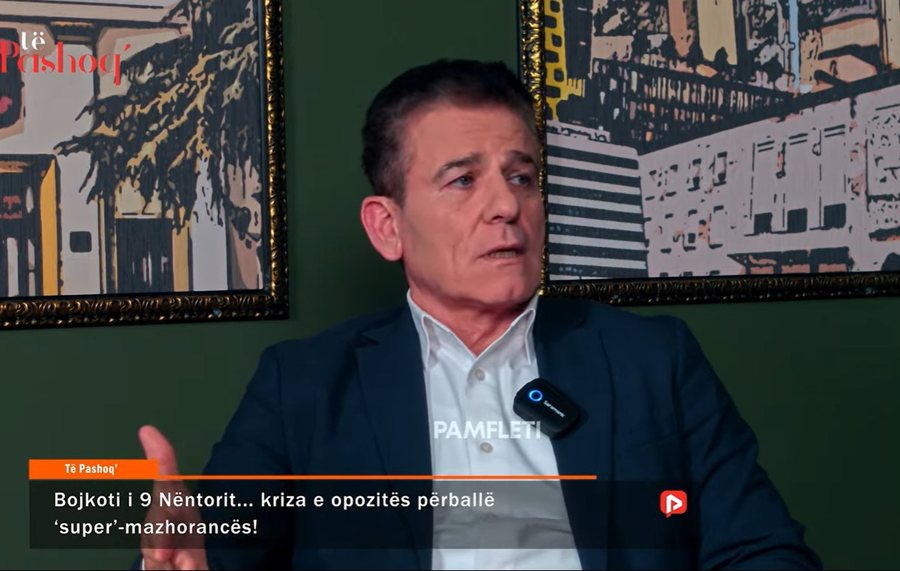
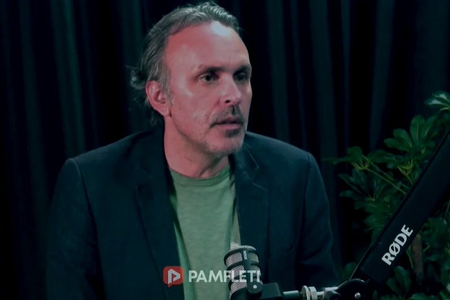
According to analyst Aleksandër Çipa, Sali Berisha's attempt to ignore the elections and not conduct a deep analysis of the defeat is a failed strategy. Invited to "Të Pashoq", Çipa argues that the DP has lost four precious years in conflicts and stagnation, and any attempt by Berisha to remain at the helm as a 'nun' or 'godfather' who determines the successor only damages the party more. Regarding the warnings of mass protests and the establishment of a 'tent', Çipa expresses skepticism, describing them as worn-out methods that can hardly produce political results. He questions whether Berisha still has the necessary credibility and public energy to lead the 'revolution' he promises, emphasizing that the opposition needs new leadership and a new approach to regain the trust of citizens.
Çipa: Mr. Berisha thought he would build an alibi with the partial process of the five administrative units of November 9. But this apparently did not fulfill the function that Mr. Berisha intended. And if you noticed, today he apologized in his public appearance and even returned to the analysis process for the May 11 elections. Previously, he had rejected such a process or had exceeded or bypassed it, even though various voices within the Democratic Party insisted that an analysis process be carried out for the May 11 process. And from this perspective, I think that this pressure coming from the base, from the membership and from other actors of the opposition spectrum in the country, is an obligation and imposition of a public reaction that the opposition leader is making.
-But after Sunday, we actually saw a more intense reaction from the ranks of the Democrats that hope has already been lost, everyone is passive, something needs to move, it's not going like this, the voices have increased a bit. In terms of structuring. I mean in the short term, it will produce something.
Çipa: I think so. Because in terms of structuring, the Democratic Party has used up all the time of expectation to achieve this. Exactly. Because the three years of the internal crisis of the Democratic Party and almost a year after that crisis are becoming four years, which is a complete loss in every sense of the word of political responsibility and energy to restructure the Democratic Party itself.
-What advice would you give to Mr. Berisha right now?
Çipa: First of all, he needs to build a new relationship with the new opposition leadership, which means that all the actors who have a specific weight in the articulation, in the presentation of the program, of the opposition alternatives and in particular the energy to provide a, let's say, changing protagonism within the opposition must be given a chance.
-What about withdrawing yourself?
Çipa: I don't think he has it anymore. As far as I know, the elections in April next year will be held for the leader of the DP. I think that the time that is being held hostage to choose his successor is a time that is harming the Democratic Party even more. Any expectation of the Democratic Party to give birth at a certain moment to a Mr. Berisha as a godfather to its successor is wasted time and is undoubtedly a multiple cost that is being caused to the main opposition force.
- These days Berisha has warned of a repetition of the Allah Basha scenario, I'm saying to some extent, the erection of a kind of tent like before in front of the prime minister's office, a kind of platform, protests have been announced although there is no concrete date for a possible national protest. Will this action serve?
Çipa: We are actually all imbued with skepticism towards this form, which has been consumed by the Democratic Party in the history of the last ten years. This re-consumption of this form or let's say of this political regime to face the opponent, may cause it a cost many times greater than what was perhaps felt so much in the three years of the internal crisis of the Democratic Party. Therefore, the preparation of a structure of reaction and rejection, of political action and especially of increasing the opposition capacities by the opposition, is a direct responsibility of Mr. Berisha. He feels this, but I do not want to believe that he has sufficient energy and sufficient public credibility to be the generator of this revolution that he promises as such. On the other hand, the relationship that the leaderships of both sides have is a problematic relationship with the electorate, with the citizens of this country, who not only have already exhausted their trust in them, but on the contrary are expecting the birth of a third one that I don't see appearing on the horizon, but which is the natural utopia of societies that prolong stagnation for so long.



Lini një Përgjigje