


 Shkruar nga Pamfleti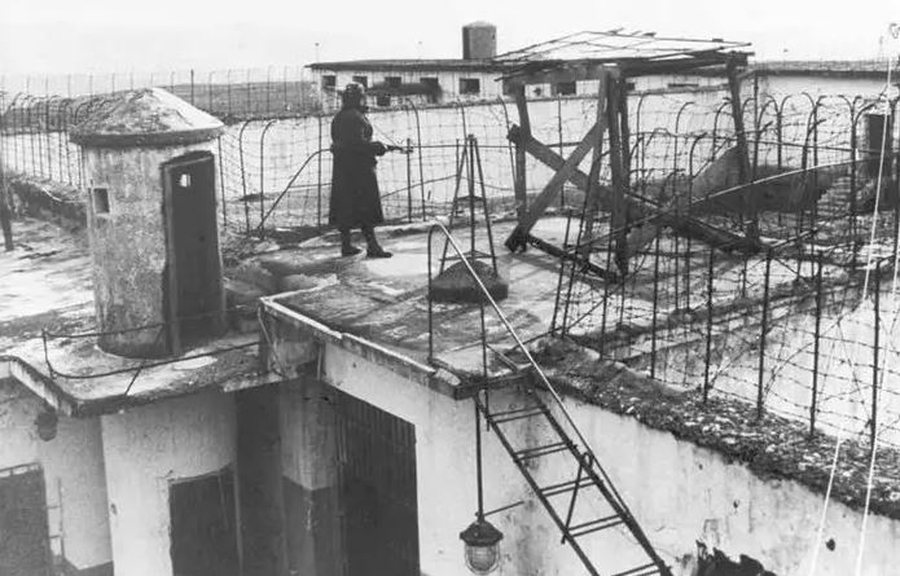
"In Albania, the communist crime of the passer-by is not documented and punished, it is not the "spiritual cleansing", the conscientious confession and denunciation of ordinary communist criminals!
"Under the shadow of Rozafa"
During the 30's and 40's of the last century, with the descent of the unstoppable fascist and communist downpour on Europe, before and later on the whole world, "fate" took the Albanian nation by the throat. Like all young people, I found myself at a crossroads where a stand had to be taken, even at the risk of my life. Then I said "no" to the dictatorship, I took the road that had no end, a navigator in the long sea, without shores. The act of rebellion that nearly killed me simultaneously set me free. I am an eyewitness of life in the fascist and communist hell in Albania, not as a "politician", "personality" of Albanian macro-politics, but as a student, as a young person who became aware of my role, at that time and in that place, from love for country and desire for freedom; simply, as a young man with remarkable sensibility, true to himself, of life with dignity.
XVI
The closed, banal, oppressive life that was imposed on us in prison was interrupted one day in the morning, with the call of the guard and the order for all the prisoners, about six hundred victims, to immediately go out to the prison yard. The "veterans" of the Vloçisht extermination camp, near Korça, understood that we were preparing for a new labor camp. The terrible experience of draining Maliq's swamp froze him in place.
They showed in vivid colors the indescribable suffering in that extermination camp, and were aware of what awaited us. A black shadow covered the prison! In the courtyard where we were gathered, we were surrounded by guards with sticks in their hands, and others with machine guns in the surrounding towers, lined us up in long lines. After they pulled the infirm, the elderly and the crippled, the others were subjected to a "medical examination".
At a table in front of us sat the doctor and the director of the prison. The doctor answered the questions, the director answered: "You are healthy", and with a stroke of a pencil on the list of names, the prisoner was assigned to work in the camp. When it was my turn, I tried to explain that, not long ago, I had spent two months in the hospital. Before the doctor could answer, the director interrupted him: "You are cured, now! There are no other problems"! you put a pencil mark in front of my name.
I was no more shocked than the others. But what surprised me was the director's behavior and his determination to send me to the camp, at any cost...! On a hot day in June, we were loaded into military trucks, tied hand in hand two by two, and the bodies with rope. It was impossible to move for lack of space, arranged like sardines in a box. Around us we had guards with wood, and two more with machine guns.
We had no right to stand up, move or speak. During the journey, the guards beat with sticks anyone who complained or moved their numb legs. The sun was strong and sweat began to flow like a river. The truck went fast and brought a blessed freshness, but when it was separated for the refreshment of the policemen, the truck was an oven. We reached the camp in the late afternoon.
We went down one after the other, in line, and after counting, we entered through the big gate. The camp was located on a hillside, overlooking a field covered, here and there, with pools of water, a semi-dry marsh, which we later found out was called the Beden marsh, Kavaja. The construction of the camp had not yet been completed and the kitchen had no supplies. They were ordered to sleep in the square outside.
All around us, the camp was barbed wire and four guard towers, each with two soldiers armed with machine guns. The square was rough, with thorns and pieces of planks left over from the unfinished construction. I was extremely tired, without bread, without water, I was crushed by the journey, my body was unprepared for such an undertaking. I sat down in the square, found a short piece of track, put it under my head as a pillow, lay down, didn't put my head well, I fell into a deep sleep.
I didn't hear the tales of my friends, nor the screams of the furious guards inside the camp. The dampness of the marsh in the evening made the air of our hill very cold. In the middle of the night I woke up half frozen. It was a complete silence, interrupted by the coughing of the prisoners. Then, a divine gesture, unexpected, opened my eyes and heart.
The young tropojan man who had been with me in the truck took off the hood he was wearing and covered me. I couldn't believe my eyes. I got up a little, I opposed him, but he stuck his leg. "You are spoiled", he told me. "I'm used to the cold"! But it wasn't like that. Two minutes later, he wrapped both arms around his body and started shaking. "Take the hood"! I said in a low voice. "No"! answer. High in the sky, the clouds had taken the direction of the north, towards the bloody mountains.
Oh, this cauldron of undeserved suffering that was my country, in those days! The contemplation of the summer sky, the stars in one night with me, the clouds passed carelessly over the suffering world, they seemed to me as if they were from another world, without any relation to me! The height, their quiet, uniform, monotonous, uninterrupted walk, seemed to reflect the great silence that covered our sufferings on earth. The oily glasses of the people had no echo, no response.
Before the majesty of nature, our smallness and physical weakness had no weight and seemed to have no meaning. Who else thinks, worries, helps man and bathes in his destiny on earth? But, to the sworn silence of the world below, and the coldness of the deities in the sky, the abandoned man responded, with the arrogance and determination that arises from despair, and with the only conscious act that remains: love for another human being!
Mospërfilljes së hyjnive të përhershme, njeriu i përkohshëm i kësaj bote, tropojani i ri, vente përballë solidaritetin e të dënuemve, sfidën e madhe prometeane! Në këtë natë, simbol i të zezës që na përpinte pa fjalë ngushëlluese e pa zhurmë, vetëm vuejtja rriste dimensionin e rruzullimit, me dinjitetin që forcohej prej refuzimit tonë të çnjerëzimit që fati i verbët na impononte! E megjithatë, kishte mjaft nga ne që, në permanencën e hyjnisë së heshtun e, serenitetin e natyrës pa ndjenja, zhvillojshin sentimentin fetar, që lindte në orë të këtilla, tejtokësore.
Të nesërmen, ditë e dielë, kamione të tjerë, të mbushun me të burgosun, zbritën në kamp. Vijshin nga Vlora e Berati. Ishte hera e parë që takohesha me nji numër kaq të madh, nga këto dy qytete, që nuk kisha vizitue ma parë. Tek të burgosunit e rij të qyteteve të tjera, shihsha nji shfaqje konkrete të konceptit abstrakt, që kisha për “kombin” tonë. Tashti, e gjithë Shqipnia më delte përpara, si kjo masë e uritun për bukë, sepse deshti të ushqehej me liri, e zhveshun dhe e zbathun, sepse deshti të ushqehej me liri, e zhveshun dhe e zbathun, sepse deshti të ruej për vete e për të tjerët, rroben e dinjitetin njerëzor.
Tek të riardhunit, njihsha veten time, sikur të ishte efekti i nji pasqyrimi. I quejta vllazën e, i deshta si vllazën! Atdheu më doli përpara, si vendi i shqiptarëve pa ngjyra, fe e krahina. Me barakat ende të pambulueme, na vendosën në katër radhë e në dy kate, si kafshët e theruna, pa të drejtë ndryshim vendi. Fati i keq e donte që, pranë nesh të gjindeshin edhe të burgosun ordinerë, hajdutë, vrasës, imoralë, që e bajshin jetën tonë edhe ma të vështirë. Ata ishin edhe spiunët ma të rrezikshëm. Megjithatë, solidariteti i ngjallun në shumicën tonë, pengoi shumë kokëçamje të paprituna.
Mbi telat me gjemba, nji zog vrente me frikë kampin tonë. Mandej, tue shkundë puplat, pa kuptue se ç’bahej aty, hapi krahët, e fluturoi në drejtimin e fushës së gjanë…! Natën e dytë, fjetëm në barakat e pambulueme, në pritje të ditës së parë të punës. I shtrimë në krevat, shikojsha qiellin e mbramjes që ngrysej. Në nji moment të muzgut, kur drita venitej e nata vinte ngadalë, por e plotë, drita tërhiqej nga qielli, si nji shtresë e bardhë që lëvizte, t’ue lanë mbas vetes pamjen e humnerës që na përpinte.
Pa u ndeshë ballëpërballë, dritë e terr krijojshin, në mes tyne, nji zonë të murrme, si nji shesh përleshjesh të pararojeve që sulmojnë, shtyjnë, zmbrapsin njena-tjetrën, e në çdo hap të tyne, hapin edhe nji shteg ma shumë për trupin e gjanë të armatës që e ndiqte. Atëherë, më dukej nata si shtëllungë e shpeshtë, e zezë, që ndrydhte në nji kand përherë e ma shumë dritën, derisa zhdukej plotësisht.
Megjithatë, kudo që terri mbuloi qiellin, e tokën këtu poshtë e bante të zezë, yje dritë delshin si ushtarë të vetmuem, që qëndrojshin pa u trembë, besnikë të së kaluemes së ndritshme e, ishuj në nji det të pafund. E më dukej se ndriçojshin edhe ma shumë, sa herë që terri përreth tyne bahej edhe ma i dendun. Në palarenë qiellore, ata shumëzoheshin me shpejtësi, ishuj e atolle, pika mbështetjeje e çerdhe shprese të gjallë, ndoshta edhe të kënaqun për fatin që nuk mallkojnë, e sigurisht, ma të lumtun kur ndërgjegjsohen, se janë ura e vetme në mes ditës së prendueme e, mëngjesit të së nesërmes që lindte.
Kështu mendojsha, duhet të ndihej edhe detari në mes të detit, në muzgun pa shej jete, të natës në barkë, kurdo që shite në bregun e tokës së bekueme, dritat e fshatit të vogël peshkatar, nji, dy, tri, nji mori, secila prej tyne, nji familje me nanë e fëmij në pritje, me gëzim të përziem me frikë e shpresë, sidomos shpresë, për detarin që afrohej…!
Jashtë, ndigjoheshin zanet e rojeve të armatosuna. Brenda barakës, më lodhshin gërhimet e të burgosunve të këputun. E, para meje, ishte dita e parë e punës së detyrueshme, me të papritunat e saj. I dobët me shëndet, puna me kazmë e lopatë më friksonte, jo aq shumë për lodhjen që do të shkaktonte, sa për dënimin që do të vuejsha në duert e rojeve të kuqe, që torturojshin, sidomos të dobtit.
Në vetminë time mendojsha se, për sa kohë që do të isha i ndërgjegjshëm për vuejtjet e burgut komunist, si kundërshtar i diktaturës së kuqe dhe besnik i këtij ndërgjegjsimi, unë do të jetojsha i lirë e, me dinjitet. Ai ndërgjegjsim do të më mbante nalt, në sferën ku, të jesh njeri, ishte nderi e lavdia ma e plotë. Përkundrazi, do të bijsha në humnerën e heshtjes, që mbyt zanin e ndërgjegjes e lejon “kompromisin” me të keqen, që asgjason. “Këtë”, ngulsha kambë tue përsëritë, “mos harro, o dashnori i Rozafës, as në kohë, as në hapësinë”!
Ditën e parë të punës, na ngritën që në agim. U veshëm e u rreshtuem në mesin e oborrit të kampit. Të ndamë në pesë brigada pune, në kompani e skuadra, ishim të komanduem nga të burgosun ordinerë, ose nga disa ish-zyrtarë komunistë, të burgosun për krime të randa, ose abuzim detyre. Askush nuk fliste! Të ulun në shesh e rojet me dru mbi kokë, pritshim radhën për bukë e gjellë. Gjella ishte “bollgur”, nji lloj gruni i bluem trashë, i ziem që në mbramjen e ditës së maparshme, i mbajtun në kazan gjithë natën, me qëllim që amidoni të trashej si balta e, supa të bahej llapë.
Me pak krypë e akoma ma pak vaj, kjo “gjellë” e dhanun në mëngjes, shërbente si ushqim, që duhej të na forconte kambët e krahët, për nji punë që zgjaste që nga lindja e diellit, deri në perëndim. Me gavetat e palame e paguret e zbrazta, sepse uji nuk kishte ardhë ende në kamp, u nisëm të rreshtuem e të rrethuem me roje të armatosuna, deri në vendin e punës. Nji kanal anësor në faqen e kodrave, mblidhte ujnat që bijshin nga mali (e quejshin kolektor).
I gjatë disa kilometra, ai ishte objektivi i parë e me mbarimin e tij, duhej hapë kanali qendror, që kullonte ujnat e fushës së Bedenit, Kavajë. Toka malore ishte e fortë e puna me kazmë, shumë e randë. Mora nji lopatë e fillova me largue dheun e nxjerrun nga gërmimi i skuadrës sime, por nuk muejsha, sepse nuk kisha fuqi. Roja i kuq që vëzhgonte nga nalt bregut të kanalit, u afrue, më shikoi që djersitsha pa pushim e merrsha frymë me vështirësi, e më qortoi: – “Pse nuk punon, derr”?! – “Punoj me të gjithë fuqitë, – përgjigja, – pak ditë ma parë dola nga spitali”.
Nuk foli. Pak minuta ma vonë, nji kapter i shkurtër nga trupi e fytyrë të vrante, u afrue e, pa më folë fare, më shtyu me aq fuqi, sa që rashë përtokë. Kur desha të ngrihem, ai filloi goditjet me shkop në kurriz, pa pushue, derisa të rashë përsëri. Nguli kambë të ngrihesha. U përpoqa, por kambët nuk më mbajshin nga lodhja e, dridhesha tue u mbajtë për lopatë. Kapteri e humbi. “Shpirtin do të marr”! më tha, “Ose duhet të bësh normën, o s’ka! E kupton? Këtu do të lesh kockat, këtu në kanal”! Unë nuk përgjigja; ai u largue.
Shokët përreth më shikojshin me dhimbje, pa muejtë me ndihmue. Ula kurrizin e vazhdova punën. Por, para meje, dheu i palëvizun u grumbullue. Atëherë, nga thellësia e kanalit, nji bujk nga Skrapari që bante pjesë në skuadrën tonë, kërceu përjashta, mori lopatën time, e brenda pesë minutash, e pastroi të gjithë vendin. Më shikoi, e buzëqeshi. Ishte fytyra e nji vllau të panjohun, që njeh vetëm vllaznimi i të persekutuemve. Në atë kamp, nuk ishim “të burgosun” të dënuem nga “ligji”, me vuejtë dënimin e caktuem nga “gjykata”.
Në këtë kamp, na ishim thjeshtësisht skllavë punë të detyrueshme, me të gjitha cilësimet që nënkupton ky emën. Këtë bindje, e forcoi edhe sjellja e rojeve mbas kthimit në kamp kur, të rreshtuem përsëri në brigada, hyni drejtori e, me nji za të vrazhdë, thirri emnat e nji duzinë punëtorësh, në mes të cilëve, isha edhe unë. Si mbas tij, na nuk kishim plotësue normën e punës. Si dënim, për herën e parë, nuk u lejuem me marrë gjellën, as ujin, as me hy në barakë, deri në mesnatë.
Të ulun në shesh përjashta, pa folë, pa lëvizë për gjashtë orë e, të këputun nga puna e ditës, iu nënshtruem nji disiplinë rigoroze, që na këputi krejtësisht. Përvoja ime e parë, në kamp të punës së detyrueshme, ka qenë tronditëse. Në krevat, me kurrizin që më dhimbte nga druni që me dhanë gjatë ditës, fillova me mendue për të nesërmen, e pamundësinë me vazhdue kështu, derisa më zuni gjumi i randë. Në mëngjes, nuk isha në gjendje të ngrihem, as edhe për ushqim. Përsëri në krevat, nuk lëviza kur brigadat u larguen për punë.
The guards started checking the barracks. When they found me lying down, they went completely crazy. A few minutes later, the director entered with a stick in his hand, he ordered me to stand up and, when he realized that I didn't have enough strength to stand on my leg, he put the stick in my mouth and, with a sneer, threatened: - "No here in the bed, - he told me, - you will die there, in the canal. You are an enemy of the people and you must pay for the harm you have caused to the people. Tomorrow morning, if I find you here, I will kill you with my own hand. Dog son of dog"! I didn't speak!
I lay down again in bed, without bread, without water, but with the determination, do not die in torture. When my friends came back from work, I told them the events of the day and my determination, I went to work. There was no other choice: to die under the tree of the director of the camp guards, or to melt away from the heavy work of the canal. I accepted the second one, with a kind of hope that the fresh air and the sun would do their job and that my teammates would help me. The next day I went to work. We were still weak, because in the camp, during the first day, they took away my bread, dish and water, I started shovel movements, with a stubbornness that I didn't know how to explain.
My friends helped me painfully, and every time they got the chance, they helped me. Fortunately for us, the work rate was measured for each team, and my group was physically strong. Some were farmers of the region, with the work of the pick and shovel. When the team quota was met, everyone rejoiced; in the camp, bread, food and water would be taken, and we would be able to go to bed on time. During work, from the shore where I was working, I could see the long line of workers, their backs bent and their fast and rhythmic movements. ]
The sight gave me the idea of the slave galleys: the canal work, the supervising officers, the policemen with sticks who beat the workers, especially those who dared to raise their heads or take a breather. This perverse sight reminded me of reading about the lives of slaves, in the construction of the pyramids of the Egyptian pharaohs, of the sweat of those bound in chains, in the boats or mines of Antiquity, of the captive sailors, who spent their lives as rowers with the long, arduous oars, in rows two by two, or four by four, in constant motion, day and night, under the whip and supervision of the executioner, to be exploited to the marrow, to death, corpses thrown into the waves of the endless sea, by their friends who saw in today's victim, their tomorrow's fate. In the waters of the calm sea, the slaves and the dead found the best and most comfortable bed of their lives, outside the land that despised them, more desirable for their backs to be torn from the wood, crushed by hard and hard work. as long as their own lives. For us, the sea that swallowed our corpses was called the Bedeni swamp, Kavajë!/Memorie.al





Lini një Përgjigje