


 Shkruar nga Ali Buzra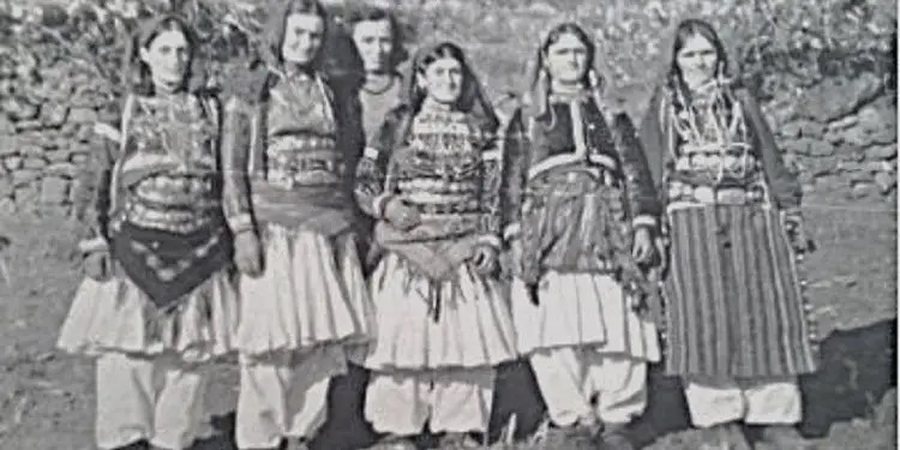
Family members of Azis Biçaku, part of persecution and torture spanning several decades, shocking testimonies of survivors!
In 1945, his family, consisting of Aziz's two wives, his 11-year-old son Hysniu, his three daughters, Isuf's wife and their three-year-old son Ilir, were interned in labor camps in Berat and Kuçova.
They stayed there for 4 years. In these Stalinist camps, where thousands of persecuted families from all over the country were concentrated, women, young and old, also worked, performing heavy work such as transporting stones, digging soil, etc. In 1949, they were removed from there and sent to the infamous Tepelena camp.
For the suffering and macabre life in this cruel camp, I have contacted the surviving living witnesses; Ilir Isuf Biçaku, Faik Halil Alla, Sheme Muzhaqi, Shefqet Dobra, Fatime Bajraktari (Biçaku), Faik Kasa, as well as Xhevdet Shuaipin, the latter from the village of Milec in Ersekë.
In the Tepelena prison camp, they were placed in wartime Italian barracks, men and women together. “In one shed,” they say, “there could be over 500-600 people.” They had pieces of old boards for bedding. Each family was assigned a place, calculating 50 cm per person.
“We were standing there like bullets in a magazine,” says Ilir Biçaku, who was only 6 years old when they went there. All surviving witnesses describe the horrors of the camp, some of which I describe below; Ilir Biçaku recounts that the bathrooms were about 200 meters away.
Only 400 grams of bread per person per day was the ration. The bread smelled. It was made with corn flour, ground from warehouse waste. For a long time they ate only dry bread. Later they started cooking a fat-free soup. They ate from the cauldron, “cauldron dish” they called it. In line, everyone passed in front of the cauldron, with an aluminum bowl in their hand, where they were poured a ladleful of soup, which could not possibly be called a dish.
"There," he says, "would be a grain of rice or beans floating around. In many cases, worms could be seen in it. This was the soup that kept their spirits alive. Many of the people fainted from lack of food. Diseases wreaked havoc. In all these years, they never saw the color and warmth of fire, they never saw the free washing.
They didn't know what clothes were. From 1945 to 1954, they hadn't had a single penny. Mothers were clutching their bellies to give their children a little more than the 400-gram ration of bread. Lice and bedbugs were crawling like clouds on the clothes. Every day people were dying of hunger. A woman was killed by a landmine explosion. She had gathered some dry thorns and lit a fire to heat a pot with two rags to wash.
The territory was littered with war munitions. From 1949 to 1954, for five years, thousands of people from families opposed to the regime were held in this prison camp, surrounded by barbed wire and guarded day and night by guards. Most of them were women, children and the elderly, as the men had fled, been imprisoned or shot by the regime.
Here, Ilir Isuf Biçaku from the village of Letëm spent his childhood from 6 to 11 years old. There, in Tepelena, he started primary school. Initially, the police took him to an improvised place for learning about 600 meters from the barracks. There were no textbooks or necessary learning materials. In later years, the children went to school on their own.
Whereas, it was truly terrifying for these children, who numbered in the hundreds, who did not know why they were there, and who never filled their bellies with dry bread. And this is how Iliri, a survivor of the infamous Tepelena camp, describes it in his book of poetry titled: "Mes trysnisë", published in 2001.
TEPELENI
"Children still, I don't know why, 'Gaz', they ran and stumbled there,
Without mother, father, sister, brother, amidst troubles, the slaves were separated.
I walked, I ran, I don't know why, 'Gaz', I ran, they were obstructed there
In the wire netting, black hats, We live in extreme hunger.
Daughter, I got up, I don't know why, 'Gaz', running, they were blocking me there,
Life passed by, barbed wire, bayonets, without sun, without air.
I endured the pain, I don't know why 'Gaz' and the running were hindered there. No wire was broken, no thorn was broken, no water was drunk, no sky was seen."
………………………………………………………….
Ilir's mother was forced to go to work to carry wood in the forest. The cruel life of the camp was also experienced by other family members; his grandmothers, sisters and his uncle, Hysniu. And the latter, who was 15-16 years old, was taken to work.
After six years, in 1954, they were removed from Tepelena and interned in Savër in Lushnja. Here they were interned, not prisoners. Initially, they were placed in a large shed that had been a horse stable. “There,” Iliri said, “the heat and the cold came in; “as it pleased.”
The Biçaku family had to be at the entrance to the door, on the other hand they were forced to endure the trampling of people who went out at night. Later, they took four families together into one room of the barracks. Later, seven more barracks were built, in which they also placed several families together, which they took out of the former horse stable where they were initially placed.
Internment, among other things, had another evil, since every day you had to appear at the appeal, where the absences were recorded, as they were afraid that they would escape. Hysniu, in Savër, met Esma Xhydollari from the village of Ydënisht in Pogradec. She was also interned as a family. The Xhydollari family, in 1944, had their houses burned by the partisans. Her father, Selamiu, went on the run, to organize against the communist regime.
Në përpjekje me Forcat e Ndjekjes, ai plagoset në Macukull të Matit e, kapet nga ushtarët. Kalon në gjyq dhe dënohet fillimisht me pushkatim, më pas u mor vendimi me 101 vjet burg, ndërsa bëri 12 vjet. Hysniu Biçaku, u martua me vajzën fisnike të Selamiut, në vitin 1965. Ai, pati me të tre fëmijë, dy vajza dhe nje djalë, Ardianin. Edhe vajzat e Azis Biçakut u martuan.
Më e madhja u martua më shpejt, te fisi Qoshi në Zgosht. Ajo qëndroi pak në internim. Menduhia, motra e dytë, ishte e fejuar me Xhevit Doskun, djalin e Shahinit. Mbas disa kërkesash nga ana e Azis dhe Menduj Doskut, atë e lirojnë. Në vitin 1951, ajo ndodhej në Letëm. Ata qëndronin në shtëpinë e të shoqes së Ahmet Hoxhës. Ky i fundit u pushkatua nga forcat partizane, mbas djegies së shtëpive të Azisit.
Aty, shkojnë Azis Dosku, xhaxhai i Xhevitit, Menduj, djali i tij, kushëri i parë me Xhevitin, Meremja, gruaja e Shahinit, e cila ishte njerka e Xhevitit. Ata e marrin nusen e tyre Menduhien, pa dasëm dhe e sjellin në shtëpi. Kështu u martua Xhevit Dosku, ndërkohë edhe Menduhia shpëtoi nga internimi.
Fatimja, vajza e vogël e Azis Biçakut, e cila kaloi nëpër të gjitha kampet, u martua kur ishte në Savër, me Skënder Bajraktarin, nga Hoti i Shkodrës. Kjo e fundit, është e vetmja nga fëmijët e Azis Biçakut, që jeton edhe sot. Iliri, kur ishte në Savër, mbaroi gjimnazin e Lushnjës (1958-1962), me pedagogë Ismail Turdiun, Liri Kazazin, Hajro Babameto etj.
Në Savër ishin të internuar edhe shumë intelektualë të shquar, si Lazër Radi, Hamit Kazazi, Dragushe Efovia, Tomorr Dosti, familja Mirakaj, familja Kolgjini etj., të cilët vuanin internimin mbasi kishin dalë nga burgjet. “Nën prehrin e këtyre intelektualëve, – tregonte ai, – i u futëm rrugës së dijes, veçanërisht letërsisë, duke lexuar gjatë viteve të internimit, mbi 2000 romane”.
Ëndrra e tij ishte të bëhej piktor. Vjen një ditë e konkurroi për këtë degë dhe fitoi, por ëndrra iu shua, mbasi nuk e pranuan të vazhdojë studimet. Diktatura e degdisi këtë talent të rrallë, duke punuar si punëtor ferme e murator, por ai asnjëherë s’e la librin. Në vitin 1967, martohet me Fatbardha Çepelen, nga Roskoveci, e cila ishte edhe kjo e internuar, e vinte nga një familje të persekutuarish, me babanë e xhaxhanë të dënuar me nga 10-15 vjet burg.
Në vitin 1988, i dhanë një dhomë prej tulle në një shtëpi në Savër. O zot! Nuk e besonte. Ndërkohë, Ilirit asnjëherë nuk iu shua shpresa se një ditë do t’i kthehej penelit. Me përmbysjen e diktaturës, ëndrra e tij u realizua. Në vitin 1990 i persekutuari dhe i nënvleftësuari Ilir Biçaku, u zgjodh kryetar fshati në Savër.
U largua nga Savra në vitin 1992. Në vitin 1993, punoi oficer në Komisariatin e Policisë Lushnjë, duke kryer detyra në sektorë të ndryshëm të tij. Ndërkohë që në vitin 1990, ai filloi pikturën. Ka qenë pjesëmarrës në dy ankande të pikturës shqiptare në Galerinë Kombëtare të arteve (2001-2005).
Në konkursin që u hap për pikturën me rastin e 100 vjetorit të Pavarësisë, Iliri ishte ndër 16 fituesit konkurrues, ku fitoi të drejtën e paraqitjes me 3 piktura, portrete nga jeta e tij. Është për t’u përmendur edhe një eveniment tjetër në jetën e Ilirit. Pas shembjes së diktaturës, Iliri jetonte me fëmijët gruan dhe nënën e tij të përvuajtur.
Tashmë, nga Belgjika i vjen babai i tij Isufi, i cili qe ndarë me të në vitin 1945, kur ky qe vetëm 3 vjeç. Një takim i përmallshëm e shumë i gëzueshëm. Ata shkuan së bashku edhe në Letëm, në vend-lindjen e tij të dashur, ku ndenjën disa ditë me të afërmit e miqtë e shumtë.
Vajzën dhe fëmijën e fundit të Azis Biçakut, Fatime Bajraktarin, e cila është e vetmja, nga brezi i parë i trungut të kësaj familje, që jeton ende sot, e takova më 1 shtator 2019, në qytetin e Lezhës, ku dhe banon. Fatimeja, sot është 82 vjeç. Shkon shpesh në Belgjikë duke kaluar mjaft kohë atje, ku ka dy djemtë dhe një vajzë, ndërsa me vajzën tjetër jeton në Lezhë. Ishte një takim mbresëlënës.
Nga kujtimet e marra prej bashkëkohësve për Azis Biçakun, dukej se ajo ngjante shumë me të. E vëmendshme, e qetë dhe e sigurt në përgjigjet gjatë bisedës, Fatimeja rrezatonte maturi dhe kulturë. Duket se vitet e gjata të vuajtjeve nën diktaturë, nuk e kishin mposhtur atë, ndërsa jeta bashkëshortore në familjen Bajraktari, kishin kalitur e forcuar më tej virtytet e cilësitë e lindura të një malësoreje krenare.
Fatime Azis Biçaku, u lind në fshatin Letëm në vitin 1937. Ajo rrëfen se shumë pak e përfytyronte babanë e saj, pasi kur e internuan familjen, ajo ishte vetëm 7 vjeç. Deri në vitin 1949, qëndruan në Berat, ndërsa më pas në Turan e Tepelenë. Në Tepelenë kaloi vitet e adoleshencës së hershme, nga 12 deri 17 vjeç.
Ashtu si qindra vajza të tjera të kampit, Fatimeja provoi urinë, përbuzjen, përçmimin e jetën e përvuajtshme në kazermat e kampit makabër. Në vitin 1951, i lirojnë përkohësisht dhe vijnë në Letëm. Qëndruan për 5-6 muaj në shtëpinë e Ahmet Hoxhës, mbasi siç dihet, shtëpitë e tyre qenë djegur.
Kujtuan se shpëtuan, por jo! I morën përsëri forcërisht e i çuan në Tepelenë, brenda telave me gjemba, të rrethuar me roje të armatosur. Pas Tepelenës vjen Savra. Aty fillimisht i vendosën disa familje bashkë në një barakë. “Për martesë ishin të kufizuar, – rrëfen Fatimeja. – Aty rreth vitit 1958-‘59 vjen një urdhëresë, që të internuarit mund të martoheshin me njëri tjetrin brenda kampit”.
Tashmë Fatimeja ishte 22 vjeçe. Në vitin 1959, ajo martohet me Skënder Bajraktarin. Babai i tij, Kadri Bajraktari, kishte kryer disa vite burg, dhe nga Tepelena ishte sjellë me familjen në Savër. Bashkë me të ishte edhe familja e të vëllait të tij, Mul Bajraktari.
Fate decreed that the brave and noble daughter of Azis Biçaku would marry the son of the Bajrak family, with the most patriotic and freedom-loving traditions of the Greater Highlands. They were interned in Savër until 1965. Then, they were allowed to leave. Their family settled in Shtoi, Shkodra, where they stayed with Skënder's sister, who was living there. After a year, they left for Hoti, to settle in their home.
They stayed there for two years, but they were not meant to stay any longer in the house they so desired. The ancient, legendary three-story tower, with many rooms, where dozens of highland assemblies had gathered, had been burned down twice by Serbo-Montenegrin forces, while the family had rebuilt it better and stronger.
The communists did not burn it, but they set their sights on using it. In 1967, an agricultural cooperative took it over, where it was used at times as a school and at times as a warehouse. The family members were forcibly evicted. They left, utterly despondent, with their heads held high, never to return during the years of the dictatorship. Their family settled in Bushat, where they remained until the fall of the communist regime.
Skënder and Fatime Bajraktari, gave birth to and raised 4 children, two boys and two girls. With countless work and sacrifices, persecuted and kept under constant surveillance by the hyenas of the dictatorship, they remained dignified and proud, faithfully preserving and protecting the traits of nobility inherited from their ancestors. Skënder passed away in 2002.
While I was writing about the Biçaku family (it was May 2018), I saw the announcement on the website that Ilir Biçaku had passed away from a serious illness. I felt very hurt, not only about his death, but also because I wanted Ilir to be acquainted with my book, where I describe some of the suffering of his family and relatives.
Since I have contacted seven survivors of the infamous Tepelena camp, six of whom are from Librazhd, I would like to also describe the stories of Xhevdet Shuaipi, who is from Erseka. I met Xhevdet, originally from the village of Milec in Erseka, in Elbasan on March 2, 2017, at the home of a friend of mine from Librazhd. Knowing that he had been interned, I asked him if he had been in the Tepelena camp and if he knew Ilir Biçaku.
“Yes,” he told me, “I was with him, in Tepelena and Lushnja. Iliri was very passionate about painting, but he was not allowed to either get an education or practice this profession that was so dear to him”! There are chilling moments in Xhevdet’s stories. Initially, he told me the circumstances in which his family was interned. His father, Pajazit Shuaipi, known in the Kolonja region as Pajazit Mileci, fled to Greece in 1948 because they imposed unbearable taxes on his land and livestock.
/Memorie.al



Lini një Përgjigje