


 Shkruar nga Pamfleti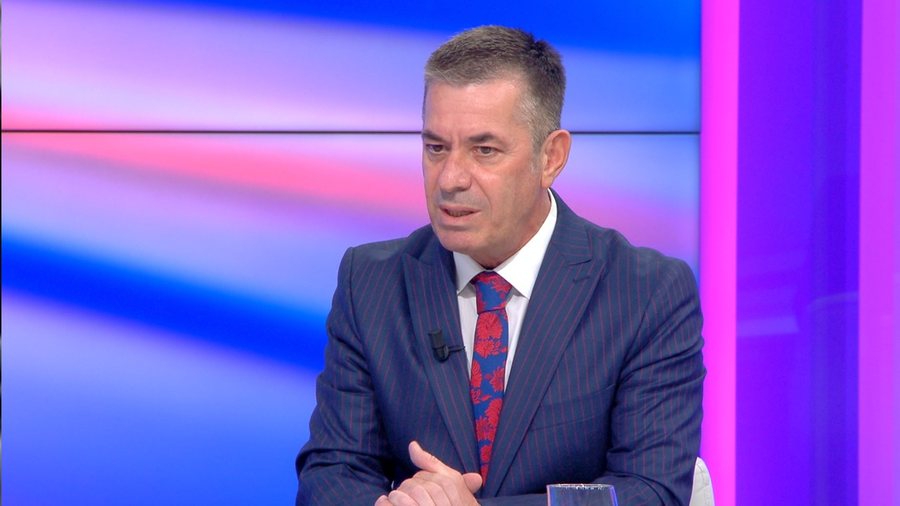
Analyst Lorenc Vangjeli has commented on the OSCE/ODIHR final report on the May 11 parliamentary elections, describing it as a document that does not open, but closes the political debate in the country.
According to Vangjeli, the report brings neither punishment nor real change in Albanian political life, but only gives each side the opportunity to interpret it according to its own interests.
"The report neither ignites nor opens the political debate, but closes it. It gives a victory on the table to the opposition's claims, while the other side will read the recommendations and say 'let's make some changes together' and nothing will change ," Vangjeli said on the "Log." show on News24.
He added that the issues mentioned in the report have been known for a long time and have become an inseparable part of the Albanian political system.
"Continuously, in the form of a mosaic, some of the representatives of small parties have confessed the symptoms of the electoral disease in Albania, which are widespread. Both sides are cheering the victory: the Socialist Party enjoys the election result, while the opposition says that our claims received the seal of the OSCE/ODIHR. Nothing else after that ," said Vangjeli.
Analyzing the nature of the electoral race, Vangjeli described it as a personal confrontation between two leading political figures:
" The elections were a battle between two people, Rama and Berisha, and from here the race was over. In Albania, it is not clear where one ends and the other begins in terms of interests," he added.
The analyst highlighted that the current electoral system, accepted by both parties, gives priority to the winner and leaves the voter with no real influence on representation.
" The irreparably damaged Albanian voter is once again the one who does not have the right to choose. He has the right to vote, but as a notary of the closed lists made by the leaders of the major parties ," he added.
Vangjeli also commented on the financial aspect of the campaign, highlighting the inequality between political forces.
"The majority had more sources of funding, it's hard to compare the two, but it used state resources. Even the opposition, however, threw about 6 million dollars into the playing field and this is only the visible part ," he concluded.



Lini një Përgjigje