


 Shkruar nga Pamfleti
The European Union announced that a new border control system for non-EU citizens, which will end the stamping of passports, will begin to be implemented in October.
The so-called Entry/Exit System (EES) was initially scheduled to enter into force in November last year, but was postponed at the last minute as some countries were not yet ready to implement it.
The European Commission has set 12 October 2025 as the date for the start of operations for the implementation of the EES. From 12 October onwards, the EES will gradually start to be implemented at the external borders of the 29 European countries, over a period of six months. This gradual implementation will give authorities, passengers and the transport industry more time to adapt to the new procedures, the EU said.
The system was created in November 2017 and its implementation has been postponed several times. The system is expected to apply to around 60 countries, including those in the Western Balkans, for their entry into the EU, as well as Switzerland, Norway, Iceland and Liechtenstein, which are part of the Schengen area.
The EES will record the date of entry and exit of visitors and will have data on overstays and refused entries.
Under the new system, passengers will have their personal and biometric data collected – facial photographs and fingerprints.
Passports in all Western Balkan countries are biometric; their chips store fingerprints and a photograph, and are fully harmonized with the conditions required by the European Union so that Western Balkan countries can benefit from the visa-free regime.
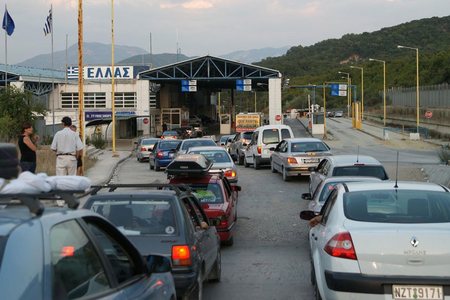
The implementation of this system has raised fears that there will be long queues and waits for people traveling to Europe by trains, ferries and planes.
In March, several member states agreed that implementation would be done in phases, starting on October 12.
"This will increase security by helping us to identify overstayers, prevent irregular movements and reduce document and identity fraud," said Magnus Brunner, Commissioner for Migration.
The European Commission said that there will be information campaigns for travelers at airports and border crossings across the EU before the system begins to be implemented.
According to him, the six-month period set for adaptation to this system is sufficient time for member states, travelers and businesses to adapt to the new system.
According to the planned phased implementation, EU member states should start operating the system at half of the border crossings after three months and have it fully operational after six months.
"The EES may take each traveler a few extra minutes to complete, so be prepared to wait longer than usual at the border once the system is up and running," the British Foreign Office said in a travel update. /REL/







Lini një Përgjigje