


 Shkruar nga Pamfleti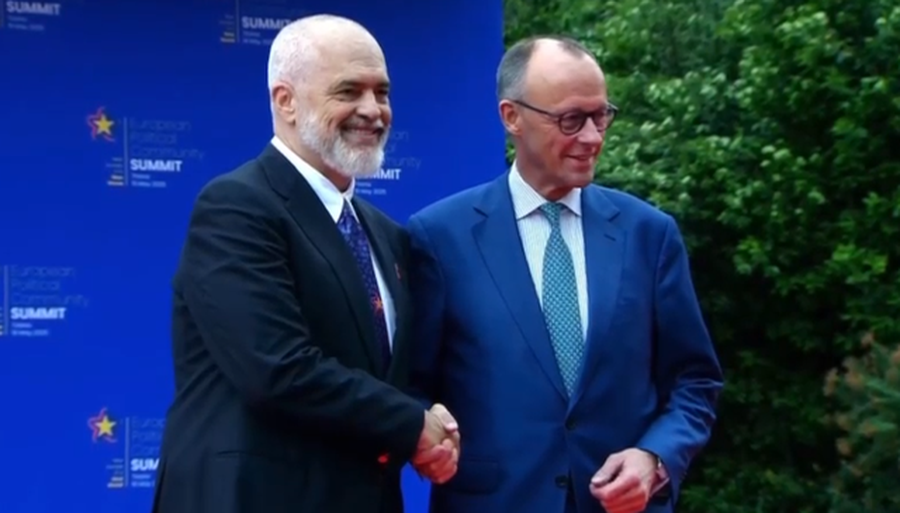
Federal Interior Minister Alexander Dobrindt needs approval at the EU level to tighten asylum policy. He also insists that the solution is to relocate migrants to third countries, perhaps bearing in mind the precedent of Meloni and Rama…
Germany's interior minister hopes the European Union can reach a bloc-wide agreement on sending rejected asylum seekers who cannot return home to safe places near their homeland of origin.
Chancellor Friedrich Merz's conservatives won February's national election on a promise to reduce immigration levels, which opinion polls showed many voters considered out of control, although figures have been falling for more than a year.
In this context, the German government is pushing forward new ideas for managing immigration.
Although the number of immigrants has been declining for more than a year, polls in Germany show that many citizens still perceive the issue as out of control.
In an interview with the Welt am Sonntag newspaper, Dobrindt said that the idea of using third countries would only work if a broad consensus was reached in the European Union.
"We need third countries that are willing to accept migrants who objectively cannot return to their countries," he said.

Ideally, these would be places “close to home” for the affected people. In the past, the UK and Italy had made attempts to reach agreements with Albania and Rwanda. However, these negotiations remained unsuccessful.
To enable the return of rejected asylum seekers to third countries, a joint effort by EU states is needed, in addition to the consent of the countries concerned. Dobrindt, who had pushed for German decisions on asylum policy during the election campaign, admitted that the federal government could only launch its planned repatriation offensive in close consultation with its EU partners.
The European Commission has recently proposed a scheme that would allow member states to reject asylum claims from migrants who have previously passed through "safe countries" before arriving in EU countries.
The proposal has been criticized by human rights organizations and has not yet been approved by national governments or the European Parliament.
"No member state can build this model alone. It has to happen at the European Union level," stressed Dobrindt, adding that "the foundations are currently being laid" for this new approach.
Qëndrimet e tij për forcimin e kontrollit kufitar, të bëra menjëherë pas marrjes së detyrës, kanë shkaktuar reagime nga disa shtete fqinje, të cilat kundërshtuan planet për rikthimin në territorin e tyre të emigrantëve që nuk kanë të drejtë të hyjnë në Gjermani.
Agjencia e lajmeve Reuters përmend edhe marrëveshjen mes Italisë dhe Shqipërisë për emigrantët.
Sipas kësaj marrëveshje, kërkesat për azil të emigrantëve të shpëtuar në det do të përpunoheshin në territorin shqiptar. Mirëpo marrëveshja hasi pengesa dhe u bllokua për shkak se çështja u dërgua në gjykatë. Për këtë do të shprehet edhe Gjykata Europiane e Drejtësisë.
Pas kësaj, qeveria italiane mori vendim që në kampin e Gjadrit të dërgojë azilkërkuesit e refuzuar me qëllim riatdhesimin. Por edhe kjo është vënë në dyshim nga gjykata italiane.
Kryeministri Edi Rama është shprehur se Shqipëria nuk do të bëjë asnjë marrëveshje të ngjashme me shtete të tjera në Bashkimin Europian.
Rama refuzoi edhe kryeministrin britanik, Keir Starmer gjatë vizitës së këtij të fundit në Tiranë për ngritjen e kampeve që do të prisnin azilkërkuesit që kanë hyrë ilegalisht në tokën britanike. Starmer anuloi një skemë të ngjashme për dërgimin e azilkërkuesve në Ruanda pasi mori në dorë “frenat” e qeverisë.
Nga 388,000 refugjatët që u është dhënë statusi i mbrojtjes plotësuese nga Zyra Federale për Migracionin dhe Refugjatët (Bamf), shumë janë nga Siria. Gjithnjë e më shumë, ata tani duhet të kenë frikë nga deportimi i tyre. Të mërkurën në mbrëmje, në një intervistë me Dunja Hajali, prezantuese e programit "heute-journal tv neës", Kancelari Friedrich Merz (CDU) tha: "Sirianët në veçanti tani mund të kthehen për pjesën më të madhe. Dhe ne duam ta promovojmë këtë."
Kjo mbështetet edhe nga SPD-ja, e cila është pjesë e qeverisë Merz. Dirk Wiese, sekretar i grupit parlamentar të SPD-së, dha siguri se socialdemokratët ishin të bashkuar pas kursit të politikës së brendshme të Dobrindtit. Hakan Demir, një parlamentar i SPD-së nga Berlin Neukölln, shprehu mirëkuptim për kritikat ndaj legjislacionit të propozuar në një intervistë radiofonike "kur njerëzit thonë se familjet po shkatërrohen". Por megjithatë, përfundoi, "Ne kemi bërë kompromise". Koalicioni i ri kishte vendosur ta bënte këtë.
Në realitet, SPD-ja e ndan plotësisht kursin e AfD-së të Merz dhe Dobrindt. Në janar, ish-ministrja federale e Brendshme Nancy Faeser (SPD) kishte kërcënuar tashmë se do të deportonte mijëra sirianë që jetonin këtu. Përveç kësaj, Sekretari i Shtetit për Brendësinë i SPD-së në Berlin, Christian Hochgrebe, theksoi shprehimisht se prezumimi i pafajësisë nuk mund të zbatohej në "fushën ligjore të ligjit të imigracionit dhe qëndrimit" - një pikëpamje që është diametralisht e kundërt me të drejtat e përgjithshme të njeriut.
The extent to which social democrats and right-wing extremists have come closer politically can also be seen at the European level. The Danish Social Democrat Prime Minister, Mette Frederiksen, has written an open letter together with the neo-fascist Italian Prime Minister, Giorgia Meloni, attacking the European Court of Human Rights in Strasbourg for blocking deportations, and they are also calling for a revision of the European Convention on Human Rights.
In the letter, Frederiksen and Meloni claim that “protecting their population” was more important than the individual rights of migrants. The letter has now also been signed by the heads of government of Poland, Belgium, Austria, Estonia, Latvia, the Czech Republic and Lithuania.
What she and Meloni shared was “patriotism,” Frederiksen told a Copenhagen newspaper. The Dane, who has pursued a policy of austerity and order in her country for years, has many admirers in the German SPD. /Pamphlet/






Lini një Përgjigje