


 Shkruar nga Eljan Tanini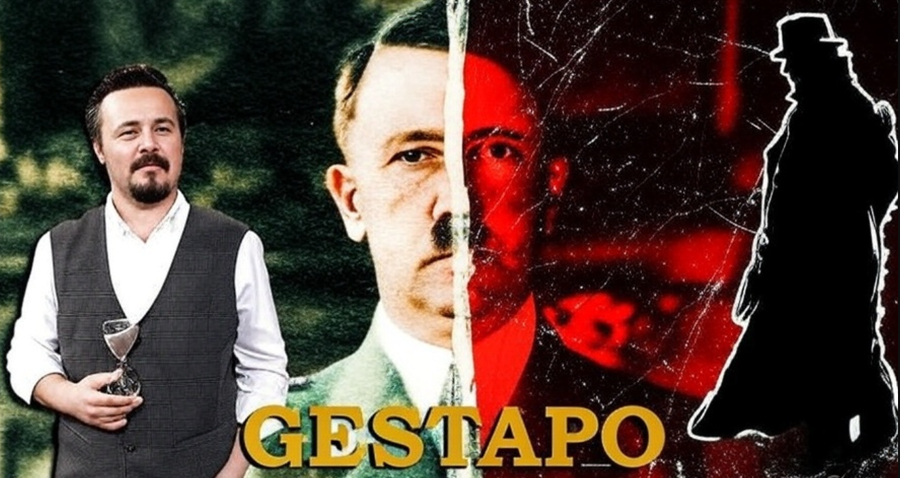
Based on research, files, documents and German archives. How, when and why did the first German agents come to our country? Who were the close collaborators of the Gestapo, what was the role of the clergy and how did Hitler find spies in Albania?
Why did General Fitzthum place a listening device in the Albanian Government meeting room, why did he start learning and understanding Albanian, and was he even well-informed about everything that was happening there?
Excerpt from the interview:
Eljan Tanini : -Kasmi, how did the Gestapo come to Albania and how did they extend their life or activity to us? How did their arrival here begin?
Marenglen Kasmi : -The Gestapo was created in 1933, it was a secret and political, ideological, systematic police, composed of highly educated people, focused on the opponent.
One Gestapo employee in Berlin was for every 4,000 inhabitants. Himmler was the leader, their work was based on fear and terror, because they worked with brutal measures.
Eljan Tanini : -When did they start here?
Marenglen Kasmi : -September 1943, earlier the Gestapo started its agents living here disguised, sometimes as a priest, an engineer, who when Albania was invaded were called because they knew our language.
Von Shaiger, an Austrian who had been here during World War I, had made great friends in Albania with the leaders of the north, he knew our traditions and customs, he was the key person, he lived with a woman from Greece in Albania
Eljan Tanini : -How did these people report?
Marenglen Kasmi : -There was no structural organization here, in Albania they focused on intelligence and military tasks, because the main work was done by Albanian agents.
Fitzthum and Hausning had leading roles, you hear these names in our films too, the collaboration was with engineer Pan among others. Our historian colleagues fought at that time, they later took up studies in this field, I also did research in Germany among others.
General Fitzthum had installed buggers in the Albanian Government meeting room, and even learned Albanian! Himmler was always getting personal information.
Their offices were in the Continental Hotel, the general lived somewhere on Elbasan Street. The SD, their offices were on Durrës Street, today near the Ministry of Education, for expansion they later moved to New Tirana.
People said Gestapo and couldn't tell the difference from other forces.
They have committed crimes and murders both among us and against opposing forces.
Lange was the military man against the partisans, he was the all-powerful envoy, the command of the commanding general was in Tirana. The Gestapo did not build structures in Albania to pursue the Jews, they were not taken at all.
Arsyet janë politike, ata kishin një pushtim ndryshe sipas tyre, e gjitha kjo propagandë e pastër duke ofruar idenë e Shqipërisë së Madhe. Gestapo edhe gjatë pushtimit italian bëntë testime te ne. Konsulli gjerman te ne dhe gjenerali i komanduar nuk ishin fanatikë, kishin halle të tjera.
Dhënia e hebrenjëve mbase nuk është bërë e tille sepse ne ndër të tjera nuk kishim as trena.
Eljan Tanini: -Sa ushtarë gjermanë erdhën këtu?
Marenglen Kasmi: -36.500 trupa erdhën te ne në Shqipëri. Ata të zgjidhnin vetëm nëse sipas tyre ishe racë Ariane.
Eljan Tanini: -Sa është numri i ushtarëve gjermanë të rënë te ne?
Marenglen Kasmi: -3 muaj ka qenë qetësimi i tyre pas luftës, për çdo mision duhet të kesh 3 njësi lufte, 2400 është numri i ushtarëve gjermanë të rënë në Shqipni.
Gjenerali Fitzthum ishte i njohur për brutalitetin e tij, rreth 45 vjeç ishte këtu, vdes në vitin 1945 në një aksident automobilistik, ai duhet të kishte dalë në gjyq.
Në listat gjermane gjen edhe emra të dëgjuar shqiptarësh.
Patër Anton Arapi ishte anëtar i regjencës, gjermanët të zgjidhnin edhe për shkak të kulturës, sidomos ata që kishin studiuar në Austri. Për ta bashkëpunimi me gjermanët ka të bëjë me faktin se po bënin diçka të mirë për Shqipërinë.
Eljan Tanini: -Kleri katolik ka qenë i lidhur ngushtë me Gestapon?
Marenglen Kasmi: -Shkodra ka patur numër më të lartë të bashkëpunëtorëve, më të lartë me gjermanët.
Dëshmitë e sekretares së Fitzthum, Elsa, e cila thotë se në Morinë u goditën nga partizanët e Fadil Hoxhës, me rregulla nuk duhet sepse atje kish të plagosur plus makinat i kishin të shënuar me kryqin e shëndetësisë.
Elsa, sekretarja e Fitzthum u dënua në Shqipëri me 20 vite burg, këtu bëri 10 vite burg, ajo ka dhënë shumë të dhëna ndër të tjera edhe shumë fakte për bashkëpunëtorët shqiptarë.
Shqipëria ishte vend i vogël me përparësi, ku në vende të tjera rezistenca ishte jo e përfillshme, edhe në luftën e Ukrainës sot ka bashkëpunëtorë, janë procese ku njeriu në luftë mendon bardhë e zi.
Eljan Tanini: -Sa ushtarë nazistë ndenjën në Shqipëri në burgje?
Marenglen Kasmi: -Bashkëpunimi me gjermanët ishte për arsye pragmatike dhe politike në Shqipëri.
Në Shqipëri pati rreth 230-240 riatdhesime ushtarësh gjermanë, diku në vitin 1951-1952.
Robi i fundit gjerman nga bashkimi Sovjetik u kthye në vitin 1956
Në Shqipëri mund të kenë qenë rreth 1000 robër gjermanë, ku një pjesë e mirë e tyre vdiqën për arsye të ndryshme, sepse robërit e luftës përgjithësisht janë të plagosur.
Kampi i tyre ka qenë në Valias, ata ishin specialistë të mirë në ndërtim, jo vetëm në Shqipëri ndodhi kështu.
Eljan Tanini: -Përgjimet ku bëhëshin Kasmi?
Marenglen Kasmi : -In general, it was word of mouth. When Von Shaiger returned to Albania in September 1943, he was given the task of mobilization in Albania, he said of course but I want to take coffee and 50 liters of raki with me, because he knew that he had to go with coffee and drinks, rare tastes in wartime. This coffee was obtained in Lisbon which was drunk in the mountains of Albania.
The German Legation was of great importance here, all German offices here were very clearly coordinated, diplomacy clashed with the army./ Essence




Lini një Përgjigje