


 Shkruar nga Pamfleti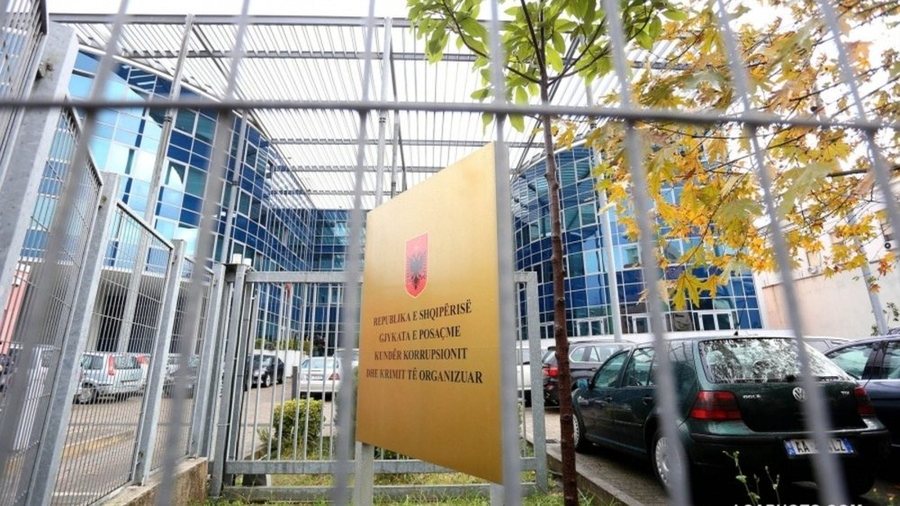
The Special Court against Corruption and Organized Crime (SCOC) has found four people accused of vote-buying during the April 25, 2021 parliamentary elections guilty, handing down prison sentences that were later converted into probation and community service.
According to the court's decision, the defendants Ndoc Guri and Arben Kolaj, accused of the criminal offenses of buying and selling votes, have been definitively sentenced to 1 year and 4 months in prison each. However, the GJKKO has decided to suspend the execution of the sentence, placing both of them on probation for a period of 2 years and 8 months.
During this period, they must not commit any other criminal offenses and must not associate with convicted persons.
For the defendant Ndrekë Lera, accused of vote buying, the court has imposed a sentence of 2 years in prison, but also in this case it has decided to suspend the sentence, placing him on probation for four years, under the same legal conditions.
Meanwhile, Ilir Sokoli, also found guilty of vote buying, was sentenced to 1 year in prison, but the GJKKO decided to suspend the sentence and replace it with 120 hours of community service.
The scheme investigated by SPAK
According to the Special Prosecution Office, investigations have uncovered an organized electoral corruption scheme during the parliamentary elections of April 25, 2021, where citizens were offered financial benefits in exchange for their votes.
SPAK says that in many cases around 5 thousand lek were offered per vote, while the payments were made directly or through third parties, who were engaged in convincing other voters to vote in favor of a political entity.
The role of wiretapping
The prosecution reports that special investigative tools were used during the investigation, including telephone interceptions, which, according to it, documented the way the scheme operated.
According to SPAK, wiretaps have revealed that Ndrekë Lera had an important role in organizing the activity, being involved in conversations related to the promise and distribution of payments for votes in favor of a political force.
The decision of the GJKKO is not final and can be appealed to the Special Appeal.



Lini një Përgjigje