


 Shkruar nga Pamfleti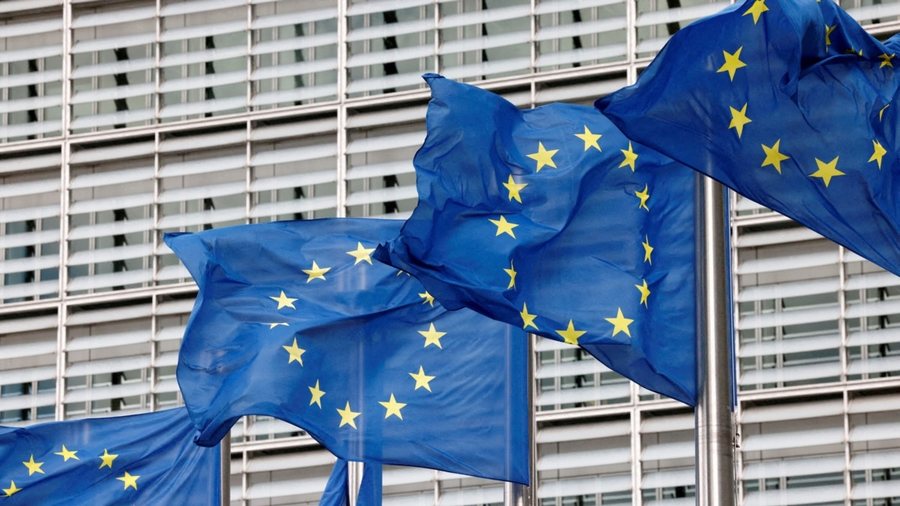
"Despite strong guarantees of independence, the process of appointments, promotions and transfers is affected by limited transparency and the challenge of ensuring timely and quality evaluations of magistrates." The concern is raised in a report of the European Commission, approved on Wednesday, which analyzes the state of the rule of law in Albania, highlighting the weak points in the Justice system, 8 years after the adoption of the Reform, political efforts to exert pressure, as well as shortcomings in the fight against corruption. The phenomenon is considered "widespread in many areas, including electoral campaigns". The report is part of the periodic evaluation for the member countries of the European Union, where the candidate countries are included for the first time.
Criticisms about the process of appointments, promotions or transfers are addressed to the High Judicial Council (HCC) and the Prosecutor's Office (KLP). According to the report, "KLP and to a lesser extent the HCJ are facing challenges to provide timely and quality evaluations of magistrates' performance. Based on the legal provisions, promotions can continue only after a magistrate has been positively evaluated". But the most disturbing element that the report points out is the fact that "KLP has not yet started the evaluation of prosecutors based on the legal framework of 2016, but continues to promote prosecutors based on the evaluations carried out by the General Prosecutor's Office before the judicial reform of of 2016".
Non-magistrate members are expected to be replaced in both institutions. A procedure which should have been closed since last December, but which has remained hostage to delays in several links of the process. The report notes that "there are deficiencies in the appointments of non-magistrate members of the High Judicial Council and the High Prosecution Council in terms of background checks and asset verification, as well as the transparency and meritocracy of the process." According to the European Commission, "the legal provisions that regulate the election of non-judicial members of the Councils by the Parliament and their implementation in practice fail to protect the selection of candidates who show the highest level of independence or competence, which is problematic". There is also criticism of the recently developed process in parliament where "reported challenges related to competition and transparency" are mentioned.
Në raportin e tij, Komisioni europian vlerëson se “mungesa e burimeve financiare dhe njerëzore ndikon negativisht në cilësinë e drejtësisë. Sfidat mbeten në lidhje me kohëzgjatjen e procedurave gjyqësore dhe ngarkesën e madhe në sistem, ndërsa masat e mëtejshme për të rritur efikasitetin ende nuk janë zbatuar”. Prej vitit të kaluar, gjykatat dhe prokuroritë janë organizuar sipas hartës së re gjyqësore e cila reduktoi ndjeshëm numrin e tyre. Sipas raportit, vënia në jetë e hartës së re “ekspozoi mangësitë e sistemit gjyqësor në lidhje me aksesin në drejtësi dhe infrastrukturën e gjykatave” dhe se “mungon një plan i fuqishëm zbatimi për hartën gjyqësore”.
Harta e re reflektoi rënien e numrit të magjistratëve për shkak të procesit të vettingut, për shkak të të cilit shumë gjyqtarë e prokurorë kanë mbetur jashtë sistemit. Të gjitha gjykata e prokuroritë e vendit, pavarësisht riorganizimit, funksionojnë me një numër të reduktuar magjistratësh. Fenomeni ka prekur edhe institucionet e reja që u krijuan nga reforma. Raporti vëren si shqetësim, numrin e madh të vakancave të inspektorëve magjistratë dhe pranë Inspektorit të Lartë të Drejtësisë, institucion, i cili megjithatë vlerësohet pozitivisht.
Komisioni europian vëren se “ndryshimet ligjore mbeten të nevojshme për të forcuar kapacitetet e Shkollës së Magjistraturës” e cila duhet të furnizojë me magjistratë të rinj sistemin. Por raporti vë në dukje si mangësi faktin që “magjistratëve të shkarkuar me vetting nuk u ndalohet të marrin poste të stafit trajnues në Shkollën e Magjistraturës”.
Reforma në Drejtësi u miratua ndër të tjera dhe me qëllimin për ta mbajtur sistemin larg ndikimit politik. Por raporti vëren se “shqetësimet për tentativat për ndërhyrje dhe trysni, mbi sistemin gjyqësor, nga zyrtarë publikë apo politikanë mbeten. Ndërkohë që në periudhën raportuese nuk është marrë asnjë sanksion ndaj zyrtarëve publikë apo politikanëve që ushtrojnë akuza kundër magjistratëve, institucionet vetëqeverisëse kanë reaguar publikisht ndaj akuzave të tilla, duke i klasifikuar ato si ndikim dhe trysni të padrejtë”.
Sa i takon korrupsionit, raporti vlerëson se mbetet i përhapur në shumë fusha, ndërsa “masat parandaluese vuajnë nga një kuadër ligjor tepër kompleks dhe vazhdojnë të kenë një ndikim të kufizuar, veçanërisht në sektorët vulnerabël”. Strukturat e Posaçme kundër Krimit të organizuar dhe Korrupsionit (SPAK) vlerësohet pozitivisht, duke përmendur faktin se numri i personave të hetuar, të ndjekur penalisht dhe të dënuar për vepra korrupsioni është rritur gjatë tre viteve të fundit. Megjithatë, Komisioni europian vëren se “autoritetet e specializuara në goditjen dhe parandalimin e korrupsionit sinjalizojnë mungesa përsa i përket burimeve dhe instrumentave të specializuara në dispozicion”. Ndërkohë që sipas raportit “strukturat e tjera të luftës kundër korrupsionit, ende përballen me sfida në zbulimin dhe hetimin efektiv” të këtij fenomeni.
Concern also appears about the amnesty law, approved in the parliament, after a consensus between the majority and the overwhelming part of the opposition. "40 persons convicted by special courts for exerting illegal influence on public officials were included in the scope of exemption from serving the sentence and 60 persons have the right to benefit from a reduced sentence".
The report sees as problematic "limited transparency in public procurement procedures, especially for public-private partnerships" as well as "misuse of state resources during electoral campaigns". / VOA





Lini një Përgjigje