


 Shkruar nga Jonathan Piccinella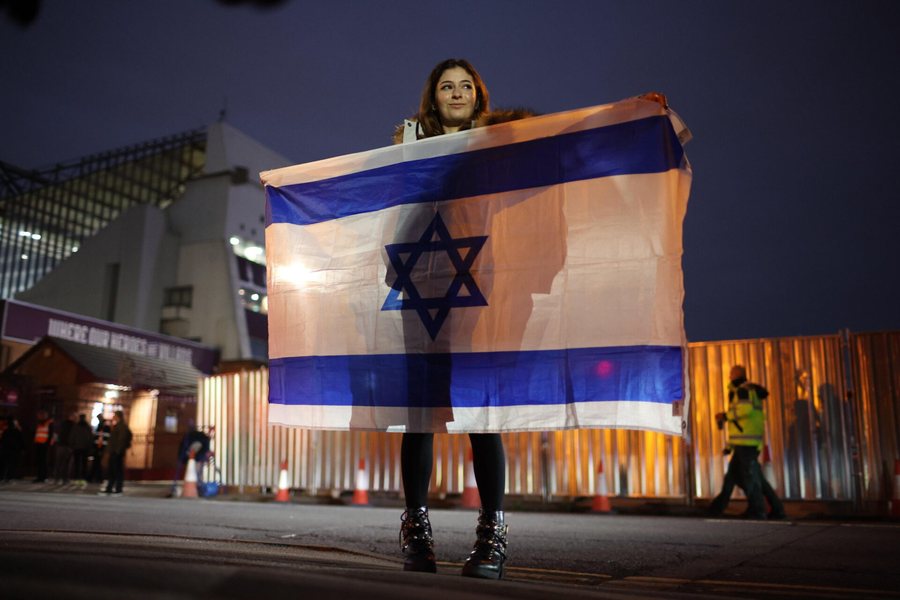
This is where Israeli democracy falters...
In a book titled “10 Myths About Israel” by Israeli historian Ilan Pappé, published in 2022 by Tamu Edizioni, the seventh myth is dedicated to the concept of “Israel as the only democracy in the Middle East.”
25 months after the start of the genocide in the Gaza Strip, the ongoing ethnic cleansing in the West Bank, and the aggression against Lebanon, Iran, Yemen, Syria, Qatar, and Tunisia in just over two years, the mantra that “justifies” Israeli operations is increasingly being contested.
Israel is not a democratic state for at least eight reasons, which we will attempt to examine in this article, through extensive bibliography and documentation:
1- Lack of a constitution and consequently of duties for institutional bodies
The State of Israel, since its establishment in 1948, has adopted basic laws, but has never begun the process of drafting a constitutional text. Contemporary liberal democracies, following the French and American revolutions, have established the concept of constitutional democracy as the foundation of the new society that was emerging. The existence of a constitution allows the people to be protected and governed according to a set of principles, duties and responsibilities that the three branches of the state must respect.
The lack of a constitution within the Israeli legal system has paved the way for the ultranationalist tendencies currently in government, which see the military and judiciary as powers that should be completely subordinate to the political apparatus.
2. The lack of defined borders to aspire to the dream of Greater Israel
Netanyahu's current government confirms what analysts and scholars of Palestine and West Asia have been trying to explain since October 7, 2023, which is the true meaning of the multiple fronts of war opened by Tel Aviv: not the "war on terrorism", but the dream of a Greater Israel.
For this to be possible, the basis lies precisely in the absence of a Constitution that would define the precise borders of a state. Despite a series of resolutions adopted by the United Nations Security Council, Israel remains a state without "precise" borders, currently occupying a number of neighboring areas, including southern Lebanon, the Syrian Golan Heights, the West Bank, East Jerusalem, and the Gaza Strip.
3. Can democracy and religious confessionalism coexist?
In 2018, Tel Aviv passed a law declaring Israel the "national home of the Jewish people." This law is problematic for at least two reasons:
-dallimi gjithnjë e më delikat midis sionizmit dhe judaizmit, dhe rrjedhimisht midis antisionizmit dhe antisemitizmit. Kjo gjithmonë bie brenda idesë origjinale të sionizmit, përkatësisht nevojës që "një popull pa tokë" të jetojë në "një tokë pa popull";
Ky ligj prek drejtpërdrejt pakicat myslimane, të krishtera dhe pakicat e tjera fetare të pranishme në Izrael, të cilat, siç e kemi komentuar këtu, janë rritur ndjeshëm që nga 7 tetori 2023.
Si mund t’i mbrojë një demokraci pakicat e saj nëse e vendos veten si kampione e një bashkësie të vetme etnike-fetare?
4. Aparteidi shtetëror
Si Gjykata Ndërkombëtare e Drejtësisë ashtu edhe OJQ-të e mëdha ndërkombëtare kanë deklaruar se Izraeli po zbaton një politikë aparteidi ndaj palestinezëve në territoret e pushtuara.
Në veçanti, Gjykata Ndërkombëtare e Drejtësisë, nëpërmjet tre opinioneve këshillimore, analizoi sjelljen e Izraelit nën dritën e së drejtës ndërkombëtare. Sipas Statutit të Gjykatës Ndërkombëtare Penale, aparteidi është një krim kundër njerëzimit dhe konsiston në kryerjen e një sërë "aktesh çnjerëzore që shkaktojnë qëllimisht vuajtje të mëdha ose dëmtime serioze në trup ose në shëndetin fizik ose mendor, të kryera në kontekstin e një regjimi të institucionalizuar të shtypjes dhe dominimit sistematik nga një grup racor mbi çdo grup ose grupe të tjera racore, dhe me qëllim përjetësimin e atij regjimi".
5. Liria e shtypit dhe informacionit vazhdimisht nën sulm
Agresioni i qeverisë izraelite kundër lirisë së shtypit është në dy nivele: kundër shtypit palestinez dhe kundër shtypit të huaj.
Siç raportohet nga Reporterët pa Kufij, me shifra që janë të ulëta dhe të vështira për t'u përditësuar: “Palestina është bërë vendi më i rrezikshëm në botë për gazetarët, me gati 200 gazetarë të vrarë në Gaza nga ushtria izraelite në 18 muajt e parë të luftës, të paktën 42 prej të cilëve me shumë gjasa janë vrarë për shkak të punës së tyre. Në Bregun Perëndimor, ku gazetarët ishin tashmë viktima të abuzimit si nga Autoriteti Palestinez ashtu edhe nga forcat pushtuese izraelite, presioni izraelit është intensifikuar që nga 7 tetori 2023, me arrestime në rritje të gazetarëve dhe pengesa në punën e tyre”.
Nga 7 tetori 2023, shtypi i huaj nuk do të lejohet të hyjë në Rripin e Gazës nëse nuk shoqërohet nga IDF, dhe me një propozim të ri legjislativ, do ta ketë gjithnjë e më të vështirë të punojë brenda territoreve palestineze dhe izraelite.
6. Marrëdhënia e çuditshme midis politikës dhe drejtësisë izraelite
Në InsideOver, ne i kemi kushtuar një seri artikujsh dhe analizash planit të qeverisë Netanyahu për të kontrolluar dhe kufizuar Gjykatën Supreme të Izraelit, duke e nënshtruar atë më tej ndaj pushtetit politik qendror.
As we wrote long ago on October 7, 2023, the reform addresses the criteria for appointing judges and the powers of the Supreme Court. The first part of the government’s plan stipulates an increase in the quota of politically motivated members of the commission that selects judges. The second part addresses the role of the highest court in a country where the lack of a constitution and a unicameral system mean that there are few real checks and balances on the executive branch. The biggest protests in Israeli society are related, in particular, to the attempt to dismantle the so-called “reasonableness clause.” The rest of Chiapparino’s article is available here.
7. The death penalty for Palestinians
On November 11, the Israeli parliament passed in first reading an amendment that would add the death penalty to the penal code for individuals who kill an Israeli intentionally and for “racist or anti-public authority” purposes with the aim of “terrorizing the State of Israel and/or Jewish communities.” Amnesty International has expressed its opinion on this, stating that.
8. Torture and abuse of Palestinians in Israeli prisons
In a recent article for InsideOver, we described abuse and torture in Israeli prison wards not as “isolated” events, but as the basis of a prison system that is the mirror of a sick state.
Therefore, Israel is not a democracy, or if it is, to the extent that the people vote and elect their representatives, it is a state entity increasingly similar to Orban's Hungary or Putin's Russia. /Adapted from "Pamphlet" by "Inside Over"






Analize idiote e nje majtisti te thekur, cuditerisht ketokohe askush nuk po analizon pse dhe si u bene bashke kunder Israelit komunisto majtisto liberalet me islamiket dhe me lgbtq....cfare kombimi bastard,,