


 Shkruar nga Guido Olimpio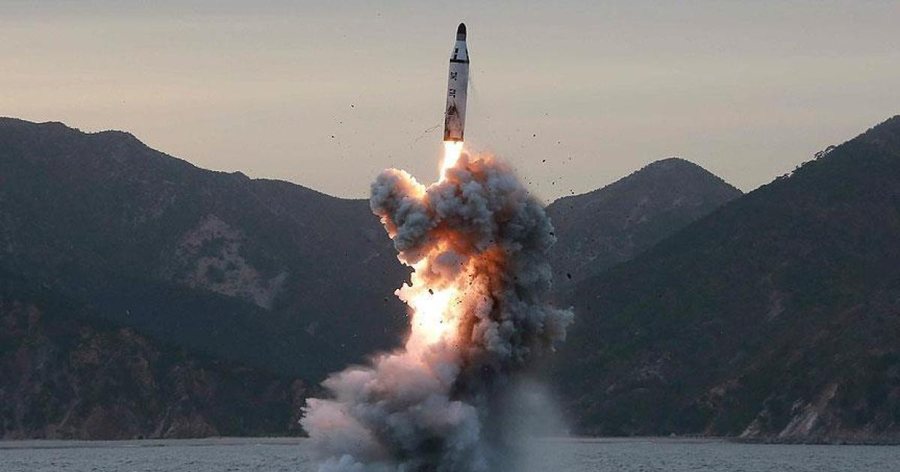
The judgment of some "technicians" is that Tehran acted in a flexible and complex manner. For this reason, it should not be underestimated...
Iran abandoned "strategic patience" for several hours in an attempt to improve its image and demonstrate that it is capable of reaching enemy territory. He is also convinced that other challenges await if Israel will fight back.
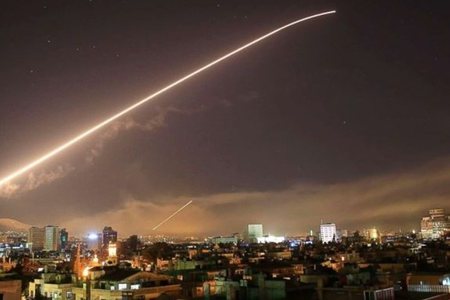
The situation has changed since the April retaliation, when drones and ballistic missiles were used. In the latest attack they claimed to have used the Fattah 1 hypersonic missile. A maneuver denied by the IDF which, however, admitted it had suffered damage to several air bases, including Nevatim, where structures were put out of service but no aircraft were affected. F-35.
The crater 500 meters from Mossad headquarters is visible. The consequences of explosions in various countries are also visible and raise suspicions of more serious consequences, which seem to be hidden from Tel Aviv. As expected, the Iranians have studied to improve and correct the mistakes of the first attack.
There is a current of thought that underscores the seemingly limited effects of retaliation, by means that are not exactly ultimate. In fact, several rockets exploded shortly after launch due to problems. International experts point out that, for example, the Emad missile can miss its target by up to one kilometer. There are others who say the opposite, calling it quite accurate.
The judgment of some "technicians" is that Tehran acted in a flexible and complex manner. For this reason, it should not be underestimated. In the event of a conflict, General Amir Ali Hajizadeh, head of the Air Space Division and an important figure in the strategic program, can order the use of a larger number of missiles accompanied by drones, in order to overwhelm the "Iron Shield". This also using the allied militias present in Lebanon, Syria, Iraq and Yemen.
Since October 7, the factions, armed by the ayatollahs, have divided the tasks. Hezbollah has only recently targeted drones and missiles, sparingly using sophisticated launchers. The Yemeni Houthis launched ballistic missiles and drones, limited attacks that hit the target on several occasions. While the attacks of the Iraqi "brigades" were small. In general, Israel managed the threat, relying on its own equipment and the support of its allies. However, it is difficult to make predictions in case of a simultaneous bombardment from all directions.
Tel Aviv then has to contend with other fronts. The attack in Jaffa, for which Hamas claimed responsibility, was carried out by two assassins from the West Bank and raises the risk of terrorism. Cells inspired or directed by the Iran-Hezbollah axis (there have been endless signals) or Palestinian elements seizing the moment. For this reason, joint Arab-Israeli criminal groups are monitored, which can be engaged by hostile services counting on their presence and the availability of weapons.
An attention that also extends abroad. In Denmark, three young men were arrested after throwing hand grenades near the Israeli embassy, while in Sweden there were shots in front of the diplomatic headquarters. In recent months, possible contacts between gangs and the Khomeinist apparatus to attack Jewish opponents and targets have emerged in Northern European countries. Drug traffickers act as intermediaries in an alliance capable of organizing attacks. /Adapted "Pamphlet" from "Corriere Della Sera"


Lini një Përgjigje