


 Shkruar nga Pamfleti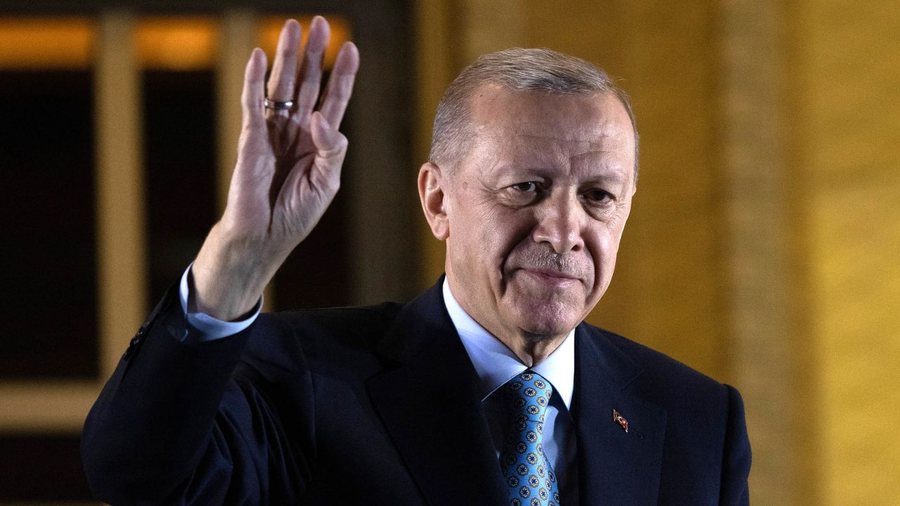
"Erdoganomy" seems to be coming to an end, but this may just be a temporary tactic.
Turkey's President Erdogan is leaning towards a healthy economy. A new cabinet offers hope for a political turnaround
In the 16th century, as inflation gripped the Ottoman Empire, Sultan Murat III appeased his troops, who complained of being paid in debased silver coins, by handing over his treasurer and senior adviser.
Perhaps it was the sultan himself who ordered the currency to be devalued, but the officials served as convenient sacrifices. Both were killed with a sword, writes The Economist.
The team that has been running Turkey's economy for the past few years has been spared this terrible fate. But they too have been sacrificed to appease Turkish investors and consumers, who are now facing the highest inflation in a generation.
On June 9, a day after the Lira fell 7% against the Dollar, Turkey's newly elected President Recep Tayyip Erdogan replaced Central Bank Governor Sahap Kavcioglu with Hafize Gaye Erkan, a former banker at Goldman Sachs Bank.
Earlier, Erdogan had appointed Mehmet Simsek as the new minister of the Department of Treasury and Finance, a man known for his conservative approach to the economy.
Of course, Mr. Erdogan is to blame for Turkey's economic problems, who follows a strange theory based on the idea that cheaper borrowing lowers consumer prices.
Turkey's prime interest rate has fallen by more than ten percentage points in less than two years. This has fueled economic growth, which reached an annual rate of 4% in the first quarter of this year. But it also caused the currency to depreciate and inflation to rise to 86% last year, then eased to 40% in May.
"Turkey has no choice but to return to a rational political basis," said Mr. Simsek, a day after his appointment. Such words are music to the ears of foreign investors.
Raising rates and returning capital controls would help tame inflation and restore some confidence in the management of the economy. But whether Mr Simsek's appointment will lead to a political turnaround remains to be seen.
Turkey has experienced this before. In 2009, Mr. Simsek was appointed by Erdogan as Minister of Economy and Finance. But then he lost the president's trust.
In 2018, Erdogan entrusted economic policy to his son-in-law, Berat Albayrak. Loyalists and serviles have replaced technocrats. Erdogan has turned the Central Bank into an arm of his government and has repeatedly vowed to keep interest rates low.
The cabinet reshuffle has somewhat calmed the markets. An index measuring the risk of a sovereign debt crisis went over 700 basis points in May; now it has fallen below 500 points.
But the decline of the Lira currency has accelerated. The currency lost 10% of its value against the dollar in the three days after Mr. Simsek's appointment and continued to fall after Ms. Erkan's appointment.
Under Kavcioglu, who will now head the country's banking authority, the Central Bank made shocking efforts to prop up the lira currency in order to help Mr Erdogan win re-election. It kept the exchange rate under control, selling tens of billions of dollars of foreign reserves since the start of the year. At the end of May, net foreign reserves fell below zero for the first time in two decades.
The Central Bank now seems to have stopped intervening, or has run out of money to do so. But the scale of its previous interventions has caused the Lira to remain artificially overvalued.
Analysts expect it to lose up to 20% more in value by the end of the year. This could cause further increases in inflation.
Gjithashtu mund të jetë katastrofike për buxhetin e vendit. Sipas një skeme të hartuar në fund të vitit 2021, turqit kanë rreth 110 miliardë dollarë depozita në monedhën Lira, që janë të siguruara ndaj goditjeve në kursin e këmbimit.
Në rastin e një krize të re valutore, Departamentit të Thesarit të Turqisë mund t’i duhet të kompensojë depozituesit deri në disa miliarda dollarë. Buxheti tashmë është i tendosur nga shpenzimet e zgjedhjeve dhe nga rindërtimet në jug të Turqisë, pasi tërmetet vranë më shumë se 50,000 njerëz në fillim të këtij viti.
Gjërat do të bëhen më të qarta, kur banka, tashmë e kryesuar nga guvernatorja e parë grua, do të vendosë norma të reja interesi. Një rritje e madhe e normave të interesit do të tregonte se zoti Erdogan ka ndryshuar drejtim.
"Markets have tolerated it, but now is the time for action," says Cagri Kutman of KNG Securities.
This could convince foreign investors who have avoided Turkey for years. But local elections will be held next March. Rational politics may give way to Erdogan's political need to generate growth.
"Erdoganomy" seems to be coming to an end, but this may just be a temporary tactic./ Monitori





Lini një Përgjigje