


 Shkruar nga Pamfleti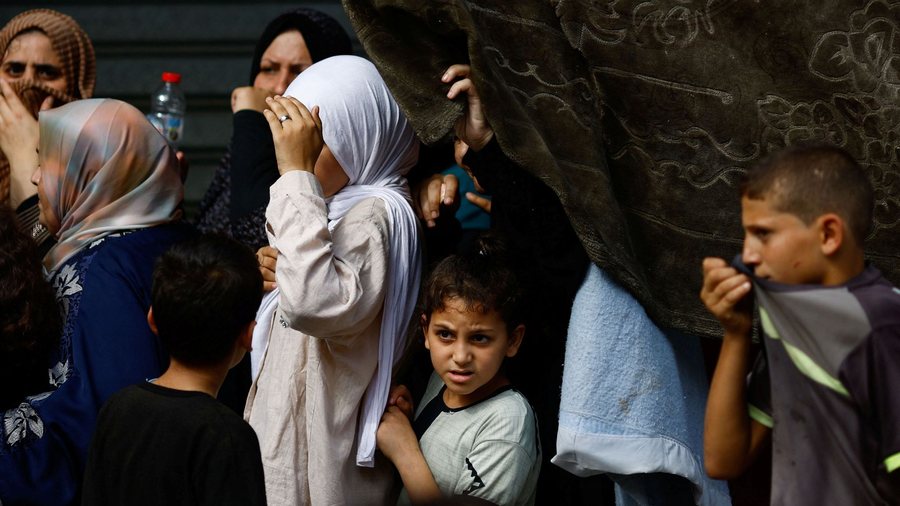
In the short term, Israel and Hamas appear to have strong reasons to continue the ceasefire.
The fragile pause in Israel's offensive against Hamas in Gaza, which has so far led to the release of 58 hostages, has been surprisingly durable given that neither side is in direct contact and each is bent on annihilating the other.
The question now is how long the intersection of interests that led to the deal will prevail, allowing the return of more abductees in Hamas terror attacks in Israel and the entry into Gaza of more truckloads of desperately needed aid.
As Americans celebrated Thanksgiving, a flurry of developments in the Middle East led to emotional reunions between the hostages and their families.
But the plight of the majority still in captivity and that of Palestinian civilians underscored the war's brutal toll. And with President Joe Biden back in Washington after his holiday weekend in Nantucket, Massachusetts, mid- and long-term factors are coming into view that suggest the fighting could soon rage again — and become even more difficult and costly.
However, hopes are growing that after the agreed four-day release period, the deal will not be completed as planned on Monday.
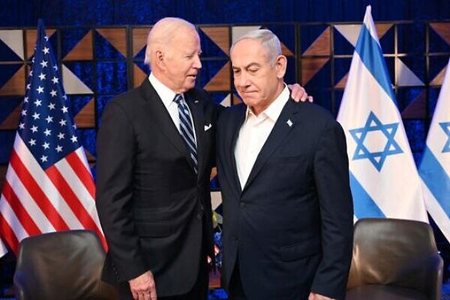
Hamas is pushing for a clause in the original deal that would have provided for additional days of pause in Israeli attacks in exchange for the release of each group of 10 hostages. The Israeli cabinet has discussed the idea, and Prime Minister Benjamin Netanyahu told Biden in a phone call on Sunday that an extension would be welcome, his office said in a statement. And the US and Qatar – the two critical brokers in the deal – are looking to use the momentum of the pause to lay the groundwork for a more permanent end to the fighting that could see more hostages freed and civilians protected in Gaza.
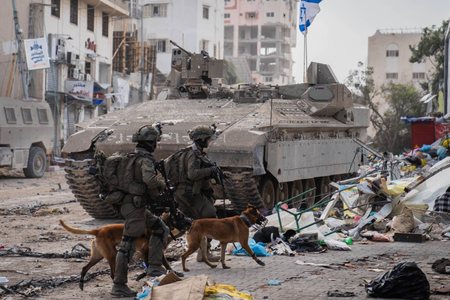
In the short term, Israel and Hamas appear to have strong reasons to continue the ceasefire. Netanyahu, who has been under extreme pressure from the prisoners' families, may receive a measure of political relief as more hostages return home. Hamas, meanwhile, has benefited from a halt in Israeli airstrikes and ground operations that will likely enable it to regroup and prepare for an expected expanded Israeli assault on its southern strongholds.
The U.S. is seeking the return of Americans held or missing after the October 7 Hamas raids, and Biden has a strong imperative to delay or prevent more civilian massacres in Gaza — both for humanitarian reasons and to temper a political backlash. insiders from young and progressive voters who have condemned his unwavering support for Israel.
A prolonged pause in the fighting would play to humanitarian purposes, but time may be short before Israel's or Hamas' strategic goals shift. That means the fate of the remaining hostages — including a large group of young men and several members of the Israeli security forces — remains deeply uncertain./CNN





Lini një Përgjigje