


 Shkruar nga Pamfleti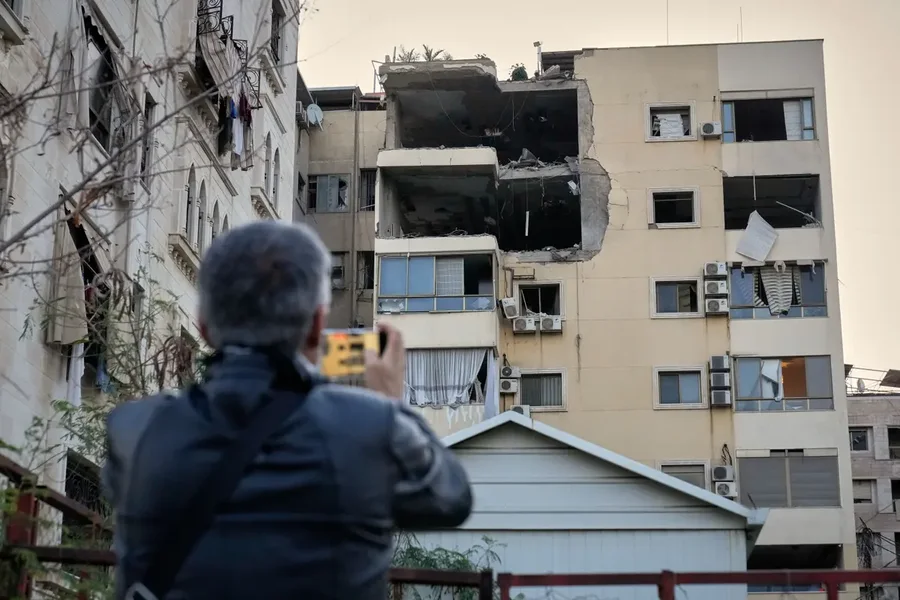
Lebanese Shiite militia is bombing Israel and the Jewish state is responding with massive airstrikes. Hezbollah's suicidal behavior could find other imitators in the region...
Hezbollah entered the war on the side of Iran on Monday. The Lebanese Shiite militia fired missiles and drones at Israel, which the organization said was “revenge for the unjust and treacherous shedding of the pure blood of the Leader of the Muslims, His Excellency, the Grand Ayatollah, Imam Sayyid Ali Khamenei,” the organization said. This is the first attack by the Shiite militia since the ceasefire agreement reached between Lebanon and Israel in November 2024. Israel had previously destroyed Hezbollah in a two-month war, killing its powerful leader, Hassan Nasrallah.
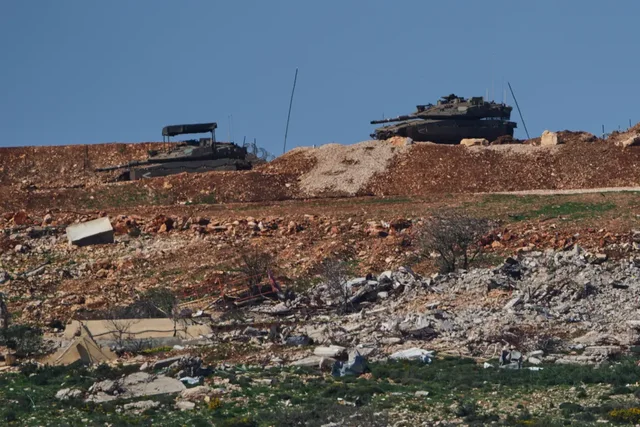
Israel intercepted the missiles and immediately responded with strikes on southern Lebanon and the Hezbollah stronghold of Dahiye, south of Beirut. According to the Lebanese Health Ministry, the attacks had killed 31 people and wounded 149 by Monday morning. Explosions were heard in Beirut overnight and an Israeli drone was seen flying over the Lebanese capital in the morning.
Israel is prepared for a multi-front war and an offensive against Hezbollah, said Israeli Army Chief Eyal Zamir. "Any enemy that threatens our security will pay a high price." The army chief said his soldiers are "prepared for many long days of fighting."
With Hezbollah's support, the US-Israeli war against Iran, which began on Saturday, is spreading even further. Almost no country in the Middle East has been spared from attacks - and the firefight could spread.
"Suicide" act by Hezbollah
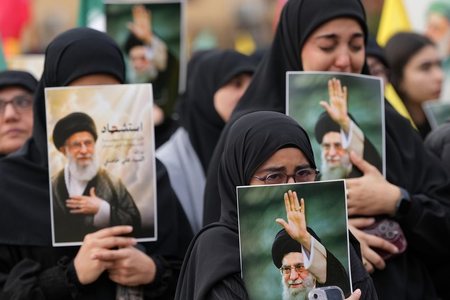
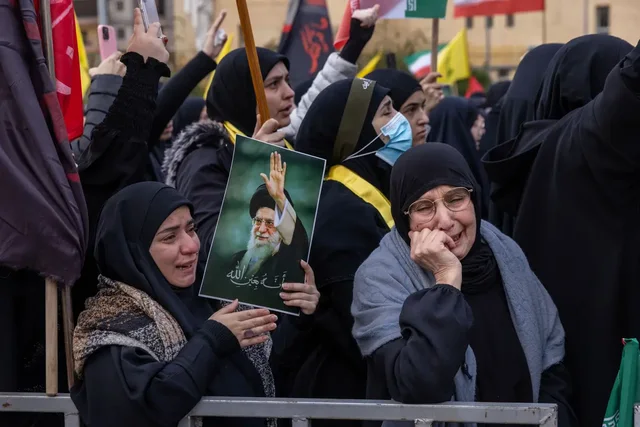
After the fighting began on Saturday, Hezbollah initially remained conspicuously silent. On Sunday afternoon, thousands of men and women still gathered in Ashura Square on the southern outskirts of Beirut to commemorate the slain Ayatollah Ali Khamenei. Newly printed posters with the image of Iran's Supreme Leader were quickly put up all over Dahiye.
With fists raised in the air and amidst a sea of Hezbollah and Iranian flags, the assembled Shiites chanted “Death to Israel” and “Death to America.” The crowd erupted repeatedly in bitter wails. “Israel killed our father,” said a woman in a black headscarf, referring to Khamenei, as the event drew to a close. “He was like our Pope.” As she left, she wished death on Israeli Prime Minister Benjamin Netanyahu.
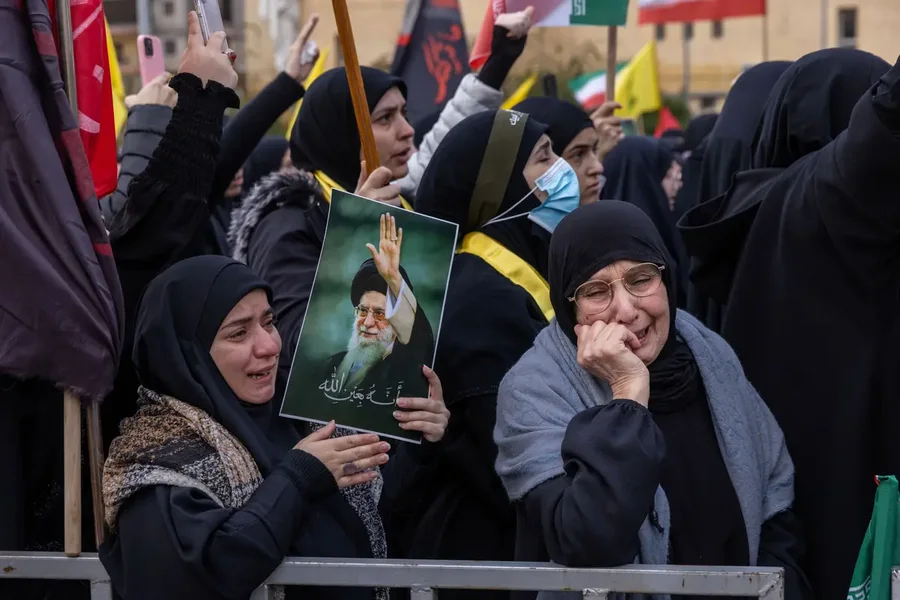
Gjendja shpirtërore midis shiitëve të dielën ishte kryesisht e zymtë dhe e trishtueshme, më tepër sesa militante. Shumica e vëzhguesve nuk prisnin që Hezbollahu të hynte në luftë. Tre ditë para fillimit të sulmit izraelito-amerikan ndaj Iranit, një përfaqësues i milicisë shiite kishte deklaruar në një bisedë konfidenciale se Hezbollahu nuk do të mbetej neutral në rast të një sulmi amerikan. Megjithatë, kjo nuk do të thoshte aspak se milicia do të ndërhynte ushtarakisht. Megjithatë, organizata e kishte përcaktuar një sulm ndaj Khameneit si një "vijë të kuqe".
“Hezbollahu i është përkushtuar ideologjisë se Khamenei ishte udhëheqësi suprem i të gjithë myslimanëve, udhëheqësi i tyre shpirtëror”, thotë Heiko Wimmen i Grupit Ndërkombëtar të Krizave në Bejrut. “Vrasja e tij, pra, kuptohet si një sulm ndaj të gjithë fesë.” Ideologjikisht, ndërhyrja është e kuptueshme, edhe nëse nuk ka kuptim ushtarak, thotë Wimmen. Studiuesi flet për një akt “vetëvrasës” nga milicia shiite. Ushtria izraelite ka njoftuar tashmë se do t’i intensifikojë sulmet.
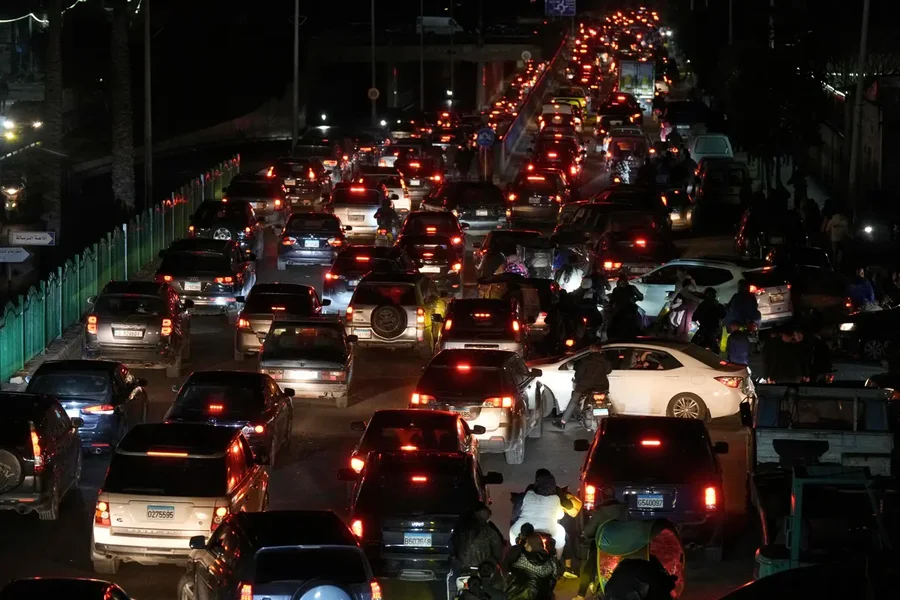
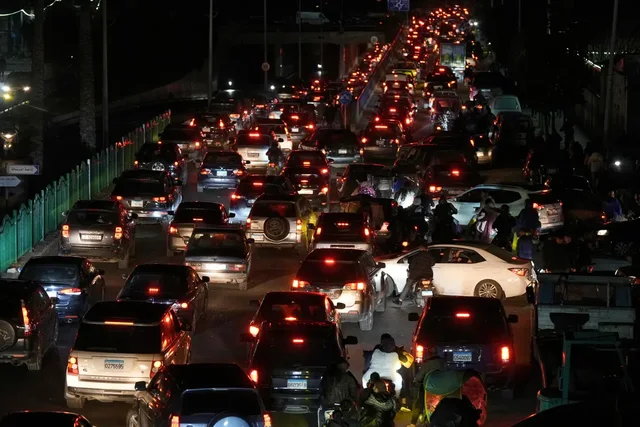
Në vetë Libanin, vendimi i Hezbollahut ka të ngjarë të thellojë izolimin e organizatës. Jashtë komunitetit shiit, nuk ka asnjë lloj mirëkuptimi në vend për këtë aventurë ushtarake. Presidenti libanez Joseph Aoun dhe kryeministri Nawaf Salam i dënuan menjëherë sulmet. Dhe pakënaqësia mund të përhapet edhe midis vetë shiitëve. Mijëra njerëz tashmë janë larguar nga sulmet izraelite nga jugu - shumica e tyre myslimanë shiitë.
A do të shkojë i gjithë "Boshti" në luftë?
Tani që Hezbollahu ka vendosur të luftojë, anëtarë të tjerë të "Boshtit të Rezistencës" të Iranit mund të marrin në konsideratë gjithashtu hyrjen në luftë. Në veçanti, milicitë shiite të bashkuara në Irak nën organizatën ombrellë "Rezistenca Islamike" tani mund të ndihen të detyruara të veprojnë.
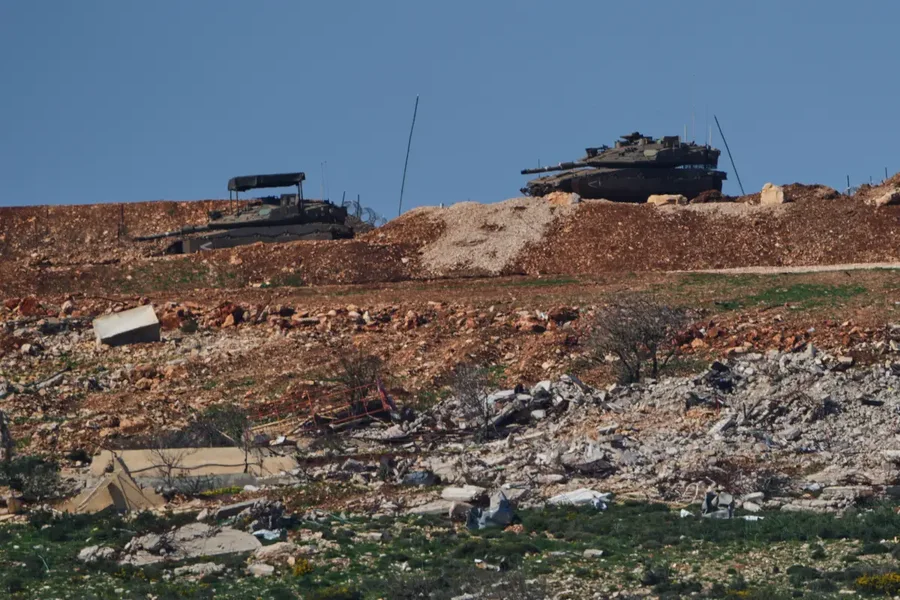
Javën e kaluar, milicia shiite irakiane Kataib Hezbollah deklaroi se luftëtarët e saj po përgatiteshin për një luftë të gjatë rraskapitëse. Një komandant i luftëtarëve të mbështetur nga Irani i tha agjencisë së lajmeve AFP se ishte "shumë e mundshme" që grupet e armatosura irakiane të mbështesnin Teheranin në rast të një sulmi amerikan, pasi ata e shihnin çdo sulm ndaj Iranit si një "kërcënim të drejtpërdrejtë". Në ditën e parë të luftës, një bazë e luftëtarëve të mbështetur nga Irani në jug të Bagdadit u bombardua.
Të dielën, milicia më e vogël shiite irakiane Saraya Awliya al-Dam pretendoi se kishte qëlluar me dronë një bazë amerikane në Erbil, në Irakun verior. Një përshkallëzim në Irak do të ishte veçanërisht i rrezikshëm sepse milicitë e mbështetura nga Irani janë zyrtarisht pjesë e forcave të sigurisë irakiane, megjithëse kanë arritur të ruajnë një shkallë autonomie. Një sulm me origjinë nga Iraku mund ta tërheqë të gjithë vendin në luftë.
The Houthi militia, which controls much of Yemen, could also resume its attacks on Israel and the Red Sea shipping lanes. So far, the Islamist group has refrained from carrying out further attacks. However, over the weekend, media outlets, citing sources in the Houthi government, reported that the militia was planning an invasion. On the third day of the Iran-Iraq War, signs point to further escalation. /Adapted from NZZ /


Lini një Përgjigje