


 Shkruar nga Massimiliano Di Pace
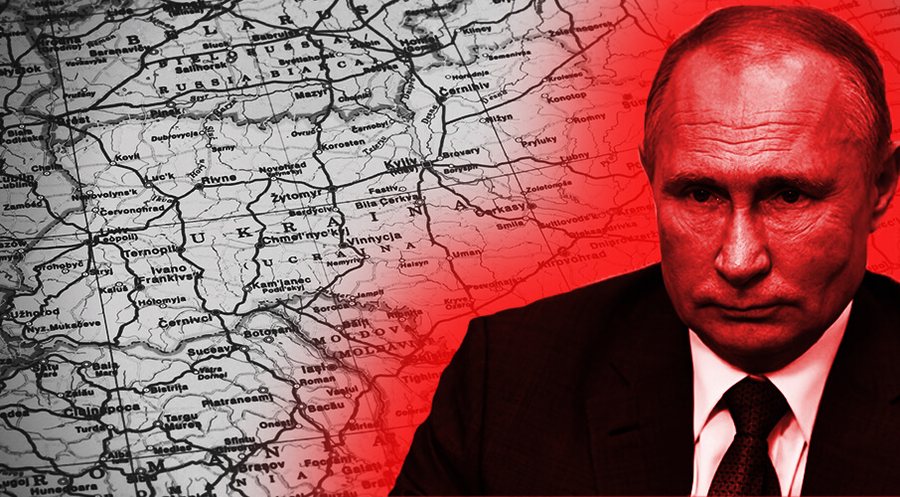
The fixed idea of rebuilding the Soviet Union, which has existed in Vladimir Putin's head for years, is becoming a reality not only with the occupation of about 1/5 of the territory of Ukraine, which has a high chance of being annexed (at least in the short term), but also with the overthrow of the rules of a market economy, which is transforming the Russian market into a hybrid reality...
In the latter, typical Western economic mechanisms coexist (see the monetary policy of the Russian Central Bank, which is aiming to fight inflation, albeit with abnormal measures, maintaining an interest rate of 21 percent), with methods that seem similar to the planned economy.
A fancy term for the definition of the communist economic system, the practical results of which (today forgotten by those who experienced them) consisted in making available to Soviet citizens the few consumer goods and basic services functional only for survival (eg. e.g. heating the house, free of charge in the time of the USSR, and today equal to 150 euros per year).
The first phenomenon of this re-conversion of the Russian economic system is called "privatization", a term used by the Russian economic newspaper "Kommersant" in an article by Diana Galieva published on December 27, 2024, to describe the process of nationalization, i.e. acquisition forced of private companies, which enter the field of public control.
This phenomenon started after the start of the war with Ukraine, with the expropriation of industrial and commercial assets of companies from non-friendly countries (e.g. USA, EU, Japan), which imposed sanctions against Russia, exponents of the regime, oligarchs and a growing number of Russian companies.
The expropriation is carried out through legal instruments that, although contradictory and without a logical-legal foundation, have attempted to maintain a facade of the rule of law. The first mechanism is based on a mandatory 60 percent discount on the price of Russian assets owned by Western companies, and a further contribution to the Russian budget (equal to 35 percent of the asset's value).
This allows Western owners to exit the Russian market with only 5 percent of the value of their companies. Another mechanism is the declaration by the Russian authorities that a company is an economically important organization, and when this happens foreign shareholders are excluded from the company's management.
They can only hope to receive modest compensation for the value of their seized assets. In fact, the procedure ends with "the sale of goods to trusted Russians (that is, friends of the powerful), in agreement with the legal commission for investments", as Kommersant explains.
Për këtë arsye, Daria Smolina, menaxhere e projekteve në kompaninë e konsulencës Nasonov Pirogov, e intervistuar nga gazeta ekonomikë ruse, thotë se shpesh kompanitë e huaja nuk i shesin aktivet, por minimizojnë veprimet në tregun rus.
Ndërkohë për operatorët e tjerë ekonomikë perëndimorë, shitja e aseteve në Rusi mbetet një vendim strategjikisht i nevojshëm, pavarësisht nga kostoja. Kina po përfiton nga kjo, megjithatë nuk po investon në kapacitet produktive në Rusi, por më tepër në ato tregtare, për të “korrur fitime të shpejta”, pa paragjykuar faktin se “rreziqet e sanksioneve dhe një mjedis biznesi i paqëndrueshëm, po i ngadalëson investimet e huaja”.
Koncepti i ri i rregulloreve, bazohet tani në formulën “ose kompanitë punojnë në mirëbesim, ose pritet pjesëmarrja e shtetit në marrjen e vendimeve për masa të veçanta”. Problemi është se nuk ka kritere të qarta, dhe vendimet merren rast pas rasti.
Ndaj është e pamundur të vlerësohet rishpërndarja e burimeve të prodhimit në tregun rus. Në këtë kontekst, gjejmë rrethanë që siç raporton vetë “Kommersant”, këto mekanizma po përdoren tani nga Putin dhe bashkëpunëtorët e tij edhe në lidhje me aktivet e kompanive ruse, të cilat ata janë fajtore vetëm sepse u përkasin subjekteve që nuk janë në linjë të përkryer me mendimin e vetëm dominues në Rusinë e Putin.
Në fakt, në shkrimin e Galievës lexojmë se “proceset e ndarjes midis ‘miqve dhe armiqve’ nuk mund të mbeten vetëm tek të huajt, pra procesi i shtetëzimit ka prekur edhe kompanitë ruse”. Në praktikë, shteti rus i përvetëson edhe ato kompani ruse, pronarët e të cilëve konsiderohen “të pabesueshëm” apo “të paskrupullt”.
Sekuestrimi i aseteve private nga shteti, është bërë një rregull edhe në rastet e korrupsionit. Sipas vlerësimeve të prokurorit të përgjithshëm të Federatës Ruse, vlera totale e pasurive të konfiskuara e tejkaloi vitin e kaluar 1 trilion rubla, ose 10 miliardë euro.
Kjo është sa 25 për qind të shpenzimeve publike ruse për këtë vit (që janë rritur shumë për shkak të shpenzimeve ushtarake). Dhe sipas ekspertëve “procesi i shprivatizimit do të vazhdojë”. Këtë e kanë kuptuar edhe sipërmarrësit rusë, të cilën “do të hyjë në vitin 2025, pa rregulla të qarta loje”.
Dhe nëse është e vërtetë se “kushtet e jashtme të paparashikueshme janë ngritur tashmë në modele biznesi”, është po aq e vërtetë se “sipërmarrësit rusë kërkojnë siguri të brendshme... duke nisur me sigurinë e aseteve në duart e pronarëve ende të ligjshëm, e cila nuk është e garantuar”.
Përfundimi i gazetës “Kommersant”, është se “për shkak të kushteve të veçanta të zhvillimit të ekonomisë ruse kohët e fundit, gjatë 2 viteve u krijua një rregullore e re në vend mbi kompanitë, bazuar në termat ‘i përkohshëm’ dhe ‘i detyruar’, por rezultatet afatgjata të një rregullimi të tillë do e ndryshojnë strukturën e ekonomisë ruse”.
The issue is so important that it was placed at the top of the agenda during the pre-New Year meeting of the Russian Union of Industrialists and Entrepreneurs with President Putin. But it seems that the latter is turning a deaf ear to their complaints, completely occupied by his "historic" mission for the re-establishment of the Soviet Union.
So much so that the Russian economic newspaper concludes that “restoring a predictable business environment and investment attractiveness in the Russian Federation is not a priority for 2025”. Not only the citizens-subjects of Tsar Vladimir I, but also Russian entrepreneurs feel powerless. And this confirms that, in all likelihood, Putin’s regime will collapse only from external, not internal, pressure./ Adapted from the Pamphlet by “Huffington Post Italia”


Lini një Përgjigje