


 Shkruar nga Pamfleti
Opening the doors to about 400 thousand people, Kukësi showed the world that even in the darkest moments humanity prevails. Now, residents hope to share their stories of communism and conflict while also spreading their ideals of hospitality and peace.
During the war in Kosovo, this area of 16,000 people hosted more than 400,000 refugees. Now, Kukësi is using its unique story of conflict and compassion to lure visitors.
Frightened Alida Ismailaj was helping a French journalist cross the border from Albania to Kosovo, when a bomb exploded near the refugees who were leaving their homeland.
"The border was dangerous. It was mined and bombed. Kukës was the first safe place you could stop,” Ismailaj said, recalling how she helped international journalists document the escape of more than 400,000 refugees through her hometown of Kukës, Albania, at the height of the war in Kosovo between March and June 1999.
Despite having a population of just 16,000, the small town, which is 20 km from the border, welcomed a staggering number of refugees into makeshift homes and camps. Kukësi made a splash around the world and in 2000 became the first city to be nominated for the Nobel Peace Prize.
The fame was short-lived. Already facing a host of crises after the fall of Albanian communism in 1992, once the war in Kosovo ended and refugees returned home, Kukësi experienced an exodus of its own, as 53% of residents left Albania's poorest city in search for economic opportunities abroad.
Now, as the number of visitors to Albania increases, locals like Ismailaj hope tourism can provide an incentive for the next generation to stay. With Kukes' new international airport, mountain hiking trails, communist relics and a heroic tale to tell, residents are turning to their unique history of conflict, resilience and generosity to lure travelers to one of the lesser-known corners of one of the least visited European countries and nations.
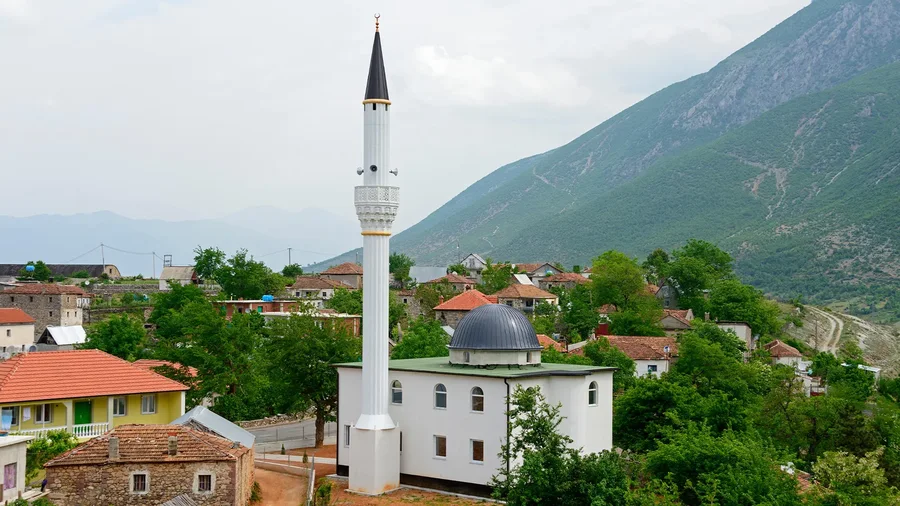
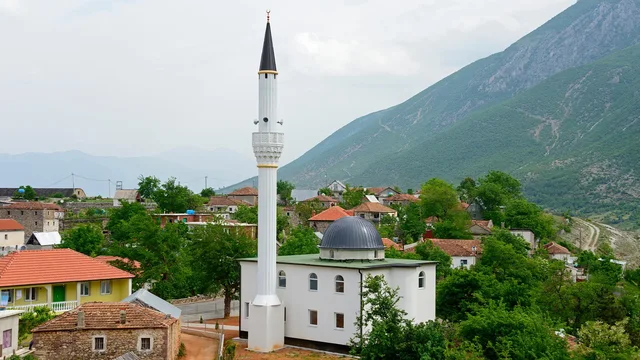
Located at the confluence of the Drin i Bardhë and i Zi rivers in northeastern Albania, Kukes apartments are in the shadow of the snow-capped mountain peak of Gjallica. A 20-minute drive east through mountain passes brings you to Kosovo, where Kosovar Albanians fought for independence during the final stages of Yugoslavia's collapse in 1999.
Bujar Kovaçi, works as a part-time tourist guide, he knows very well the difficulties of the past in a border country full of danger. "I survived the mines. I am very lucky to be alive today," he said.
Kovaci was only 10 years old when he received a land mine while playing in the village near the border. Not knowing what it was, he hit it with a rock and it exploded. His family sent him urgently to the Kukes hospital and he woke up two weeks later. He lost sight in his left eye and lost his right arm.
"In 1999, there were many accidents here. In total, 120 km along the Albania-Kosovo border were heavily mined with explosives. For many years after the war we were still clearing mines. Many were injured like me", said Kovaçi.
Kovaçi is now developing tourist guides to show the history and culture of Kukes, as well as the surrounding mountain beauty, trails, waterfalls and villages. He doesn't shy away from Kukes' troubled past, and what he earns from his guides he invests in a local association that supports victims of landmines. He hopes that if he can lure tourists to this rarely visited part of Europe, he can not only help others injured by unexploded bombs, but also help encourage people to stay and preserve the local culture of Kukes facing economic migration.
The nomination for the Nobel Prize was not in vain, the inhabitants of Kukes are used to welcoming visitors, something is understood when you stop outside a tower in the main square of Kukes, which serves as a memorial to those who sought refuge in 1999 and has a small museum ethnographic.
Kovaci explained how Kukësi managed to host hundreds of thousands of refugees. Many families opened their doors to 90,000 people, while tents were also erected throughout its square, along the banks of the river and in the surrounding fields.
The city of Kukës became famous in the year 2000, the history, like the waters of the rivers Drin, that embraced Kukës for centuries became known.

Founded by the ancient Illyrians, Kukësi was a remote territory of the Roman, Byzantine and then Ottoman empires until Albania became an independent nation in 1912. After World War II, people saw the ethnic Albanians in Kosovo drowning in the Socialist Federal Republic of Yugoslavia, while Kukësi found itself on the border of the increasingly paranoid communist dictatorship of the Albanian dictator Enver Hoxha.
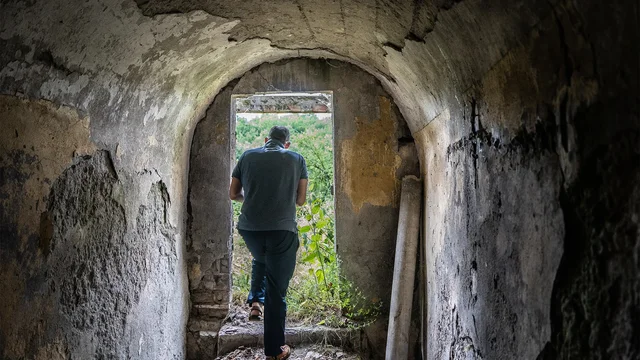
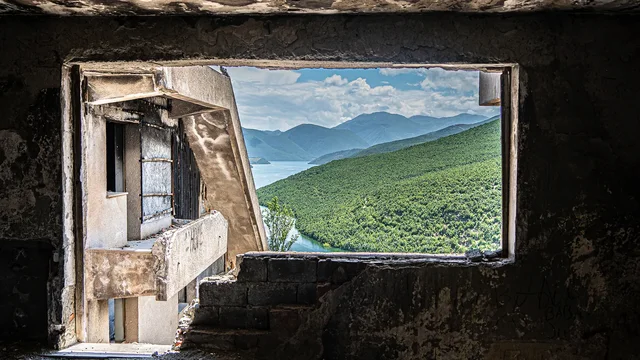
Hoxha ruled Albania with an iron fist, building a vast network of underground tunnels and bunkers throughout the country. However, those located in Kukës, which began to be built in the 1970s and extend for about 7 km under the city, are the largest in Albania, with enough space to house the entire population of Kukës in case of war.
Tunelet janë ende aty dhe Afrim Cenaj, babai i të cilit shërbeu si oficer në ushtrinë shqiptare në vitet 1980, tani organizon turne në atë që vendasit e quajnë “qyteti i nëndheshëm”.
Duke hyrë në një nga tunelet e shumta të fshehura në të gjithë Kukësin, Cenaj tregoi rrugën për një labirint kalimi të errët, të ndriçuar herë pas here nga boshtet e ventilimit dhe shtëpia e strehimoreve të pafundme betoni që tani janë të braktisura.
Cenaj beson se relike të tilla komuniste do të tërheqin turistët në Kukës dhe ai po përpiqet të sigurojë një kredi për të kthyer një bllok të vjetër kazerme mbi një nga hyrjet sekrete në një bujtinë. “Babai im dikur e ruante këtë vend. Dhe tani unë dua ta ruaj atë”, rrëfeu ai.
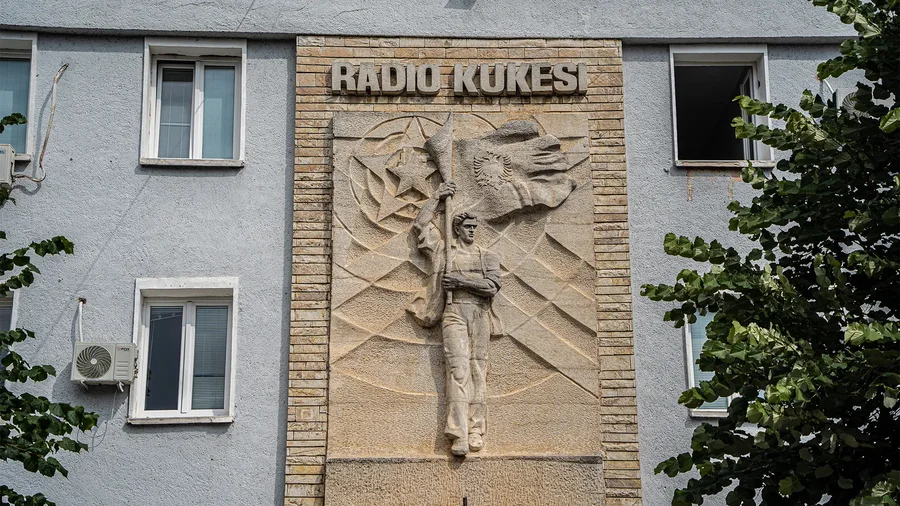
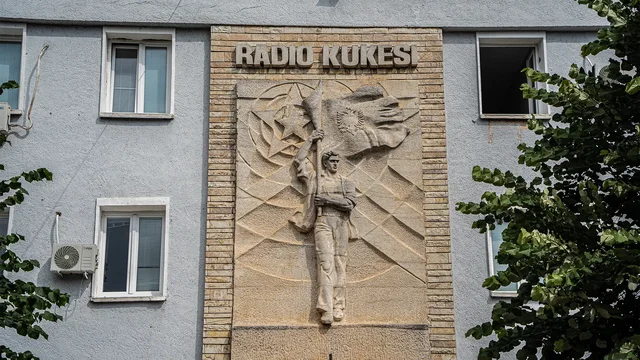
Historia komuniste është me bollëk në Kukës. Ismailaj udhëhoqi gazetarët e BBC jashtë selisë së Radio Kukësit, ku një reliev gjigant komunist tregon një punëtor hero që valëvit flamurin shqiptar zbukuron hyrjen. Ismailaj tani është një DJ, dhe më pas udhëhoqi gazetarët në stacionin radiofonik dhe në muzeun e vogël që është i mbushur me pajisje transmetimi të pluhurosur nga një epokë e shkuar.

Radio Kukësi u themelua nga regjimi i Hoxhës si një mjet propagande dhe reporterët e saj u gjendën në vijën e parë të luftës së Kosovës në vitin 1999. Fotografitë e refugjatëve dhe autokolonave të ndihmës së OKB-së u ngjitën në muret e muzeut. Letrat e zbehura të dërguara Radio Kukësit nga ata që ikën nga konflikti treguan se si emrat e njerëzve që ishin të sigurt u transmetuan përsëri në Kosovë, duke u bërë të ditur të dashurve të tyre se ishin gjallë.
“Natën e parë të eksodit kemi pritur 13 mijë refugjatë në Kukës”, tha Ismailaj, duke shpjeguar se njerëzit flinin edhe në dyshemenë e radiostacionit. Ky moment historie e bëri Kukësin kaq të rëndësishëm sa mediat botërore erdhën këtu, duke raportuar për qytetin e vogël që mirëpriti qindra mijëra refugjatë.
Ndërsa nominimi i Kukësit për Nobel ishte historik, Ismailaj pyet nëse më shumë banorë do të ishin ndjerë të detyruar të qëndronin po të kishin fituar. Ajo tha se nëse Kukësi do të kishte fituar çmimin Nobel për Paqen, do të kishte më shumë investime dhe më shumë vëmendje nga OJQ-të.
Të gjithë ata që jetojnë në Kukës kanë miq dhe familje që punojnë jashtë vendit, dhe kjo është arsyeja kryesore pse një aeroport i ri, i hapur në vitin 2022, e lidh tani atë me disa qytete të mëdha evropiane. Por gjithashtu po lehtëson turizmin, i cili nga ana tjetër po krijon stimuj për brezin e ardhshëm për të qëndruar. “Shumica e familjes sime janë larguar. Por djali im po mëson anglisht. Ai dëshiron të ketë një guidë turistike këtu në Kukës”, tha Cenaj, një banor.
With its colossal mountain peaks and turquoise river waters, it's easy to imagine Kukësi and the surrounding region emerging as an adventure travel destination. In the village of Shistavec, a 45-minute drive into the mountains, wooden houses are built for skiers and mountaineers, and on day trips from Kukësi, tourists can learn more about the mountain culture of the Gorans, who speak a special Slavic language of Albanian origin. . Kukësi is also a gateway to the recently opened High Scardus trail that connects North Macedonia, Albania and Kosovo and crosses the border from Šistaveci.
However, the concern in the Balkans is that new conflicts are just a spark away, especially given that Kosovo's independence has never been recognized by Serbia. "They have terrible memories. People have lost entire families, others have loved ones still in prison or live with the hope that they will return, which may never happen," said Remzije Sherifi, a journalist from Kosovo who fled her home during the conflict. of 1999.
Opening the doors to about 400 thousand people, Kukësi showed the world that even in the darkest moments humanity prevails. Now, residents hope to share their stories of communism and conflict while also spreading their ideals of hospitality and peace. / Adapted "Pamphlet" from "BBC"




Lini një Përgjigje