


 Shkruar nga Pamfleti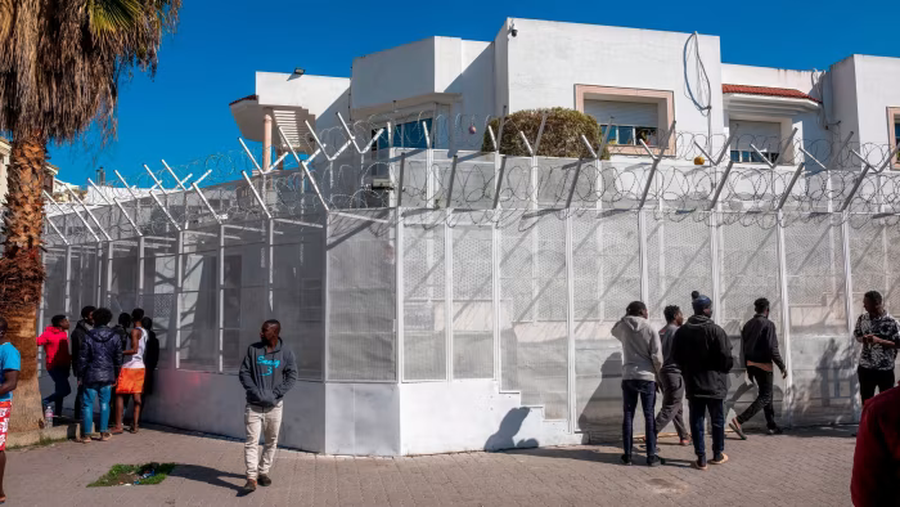
This month, the EU signed further agreements with African countries to prevent migration to Europe, despite human rights concerns. The EU approved 60 million euros for Mauritania and 200 million euros for Egypt.
The EU plans to provide up to 164.5 million euros over the next three years to Tunisian security forces, some of whom have been accused of human rights abuses, far more than has been made public as Brussels steps up its anti-immigration efforts.
The funding comes as the bloc faces political pressure to reduce the number of arrivals, prompting an increase in funding for countries from which people leave for Europe, despite concerns about their treatment of migrants and asylum seekers.
Brussels pledged 105 million euros in migration-related funding to Tunisia in an agreement signed last year, most of which has yet to be disbursed.
But first figures from the Financial Times show that the EU overall will spend significantly more on migration under various funding streams over the next three years, with around two-thirds of the €278m earmarked for border security and management . The rest will fund schemes such as repatriating migrants, combating people-smuggling and protecting refugees.
EU-funded programs involving Tunisian security forces include a training academy for the country's national maritime guard, in collaboration with the German federal police.
EU funds will also pay for equipment such as radars and boats for the national guard, along with land border posts.
Tunisian security forces have stepped up interceptions of boats in the Mediterranean since migrant arrivals in Italy surged last August. About 81,000 people were caught making the voyage last year, more than double the number the year before, according to the Tunisian Forum for Economic and Social Rights (FTDES).
Members of Tunisia's security forces have been implicated in numerous illegal detentions and deportations of migrants and asylum seekers, according to European diplomats, international humanitarian staff and non-governmental organizations.
The UN in 2023 found that Libyan security forces and armed militia groups, including forces that also benefit from EU funding, may have been implicated in war crimes and crimes against humanity, including imprisonment, enslavement and torture of migrants and asylum seekers. At least 7,000 people have been sent from Tunisia to the border with Libya since last summer, officials said.
EU rules ban the bloc from funding measures "which could result in human rights violations in partner countries". The EU's ombudsman is investigating how the bloc will ensure its funds in Tunisia are not used for human rights abuses.
Despite the accusations, the EU and its member states are wary of putting pressure on the Tunisian authorities because they fear the loss of communication channels and are concerned that the number of migrants could rise again, causing political problems in the country. .
An Italian government official said it was important that Europe continue to engage with Tunisian authorities to address security threats and curb the influence of rival powers across the region. "We are applying gentle pressure, as blackmail does not work," the official said.
The Tunisian Foreign Ministry has denied the violation of migrants' rights and said that "persons intercepted at sea or in an irregular situation are treated in accordance with national legislation and Tunisia's international commitments."
The European Commission said it was in contact with Tunisian authorities and was "closely following the migrant situation in Tunisia and at the borders with Algeria and Libya".
This month, the EU signed further agreements with African countries to prevent migration to Europe, despite human rights concerns. EU 60 million euros for Mauritania and 200 million euros for Egypt.
In Tunisia, the EU last year also promised 150 million euros in general budget support separate from migration, which was paid this month./ Adapted "Pamphlet" from "Financial Times"





Lini një Përgjigje