


 Shkruar nga Pamfleti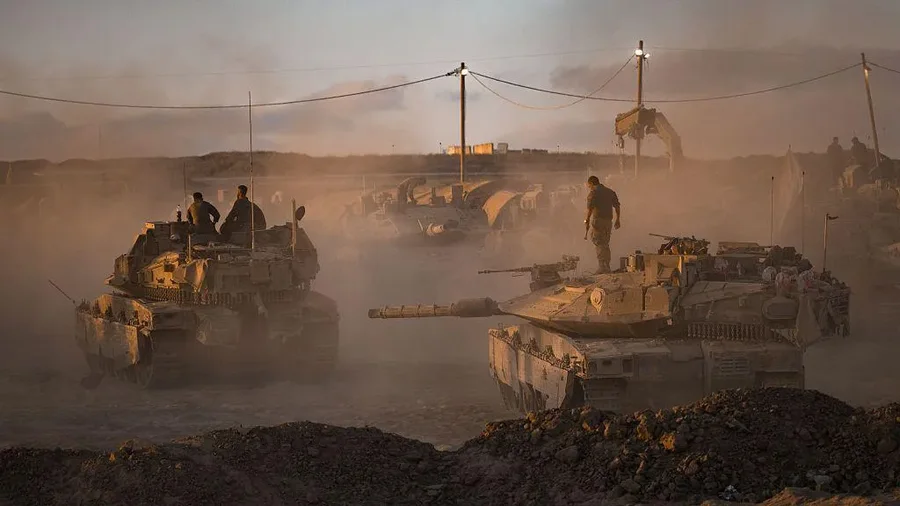
Negotiators from Israel and Hamas are heading to Sharm El-Sheikh, Egypt, to begin indirect talks on ending the Israel-Gaza war.
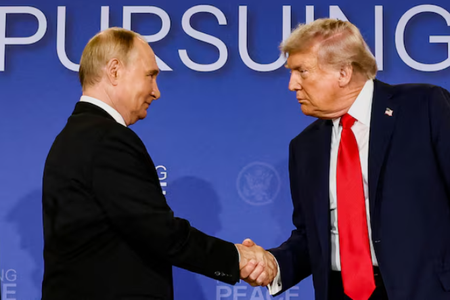
But Donald Trump's 20-point peace plan, to which Israel has agreed and Hamas has partially agreed, is really just a framework, just a few pages long.
And there are still significant sticking points that both sides need to resolve.
Trump's plan says that within 72 hours of reaching an agreement, all remaining hostages will be released. It is thought that 48 Israeli hostages remain in Gaza, 20 of whom are believed to be alive.
Trump said over the weekend that the hostages could be released "very soon," while Netanyahu said they could be released before the end of the Jewish holiday of Sukkot, or October 13.
Hamas has agreed to the "hostage exchange formula" detailed in Trump's plan, provided that certain "conditions on the ground" are met.
But the hostages are the group's only bargaining chip, and it is unclear whether it would be willing to release them before other elements of the deal are finalized.
Trust between the two sides is virtually nonexistent. Just last month, Israel attempted to kill Hamas's negotiating team with an airstrike in Doha, angering not only Hamas but also Donald Trump and Qatar, a key mediator.
Members of the same negotiating team, led by Khalil al-Hayya, whose son was killed in the attack, will now meet just a stone's throw away from Israel's delegation in Egypt.
Israel's stated goal throughout the war has been the destruction of Hamas. Netanyahu has repeatedly stated that he will not stop until the group is destroyed.
A key point in Trump's plan calls for the group to disarm. But Hamas has previously refused to hand over its weapons, saying it will do so only after a Palestinian state is established.
In its response, Hamas did not mention disarmament, fueling speculation that it has not changed its position.
Over the weekend, Netanyahu vowed that "Hamas will be disarmed and Gaza will be demilitarized either the easy way or the hard way."
The plan says Hamas will have no future role in Gaza, which will be governed by a temporary transitional body of Palestinian technocrats, overseen by a "Peace Board" chaired and chaired by Donald Trump and including former UK Prime Minister Tony Blair.
Although Netanyahu agreed with all of Trump's 20-point plan, he appeared to oppose the Palestinian Authority's involvement even when he stood at the podium next to the president last week, insisting that it would play no role in governing the territory.
This is one of many points in the plan that will be objectionable to hardline ultranationalists within Netanyahu's ruling coalition, many of whom want to retain control of Gaza and rebuild Jewish settlements there.
In Hamas's response, it indicated that it expects to have a future role in Gaza as part of "a unified Palestinian movement."
Although the wording is vague, this is likely to be unacceptable to both Trump and the Israelis.
The plan says the Israeli military will withdraw from Gaza "based on standards, milestones and timelines" that all parties must agree to.
A map distributed by the White House showed three proposed phases of the Israeli troop withdrawal. The first phase leaves about 55% of Gaza under Israeli control, the second 40% and the final 15%.
This final phase would be a "security perimeter" that would "remain until Gaza is adequately secured from any revived terrorist threat."
The wording here is vague and does not give a clear timeline for Israel's full withdrawal, something Hamas will likely want clarification on.
Furthermore, the map shared by the White House does not match the Israeli military's own maps showing militarized zones, and Gaza's borders are drawn incorrectly in several places. / Adapted from BBC /




Lini një Përgjigje