


 Shkruar nga Pamfleti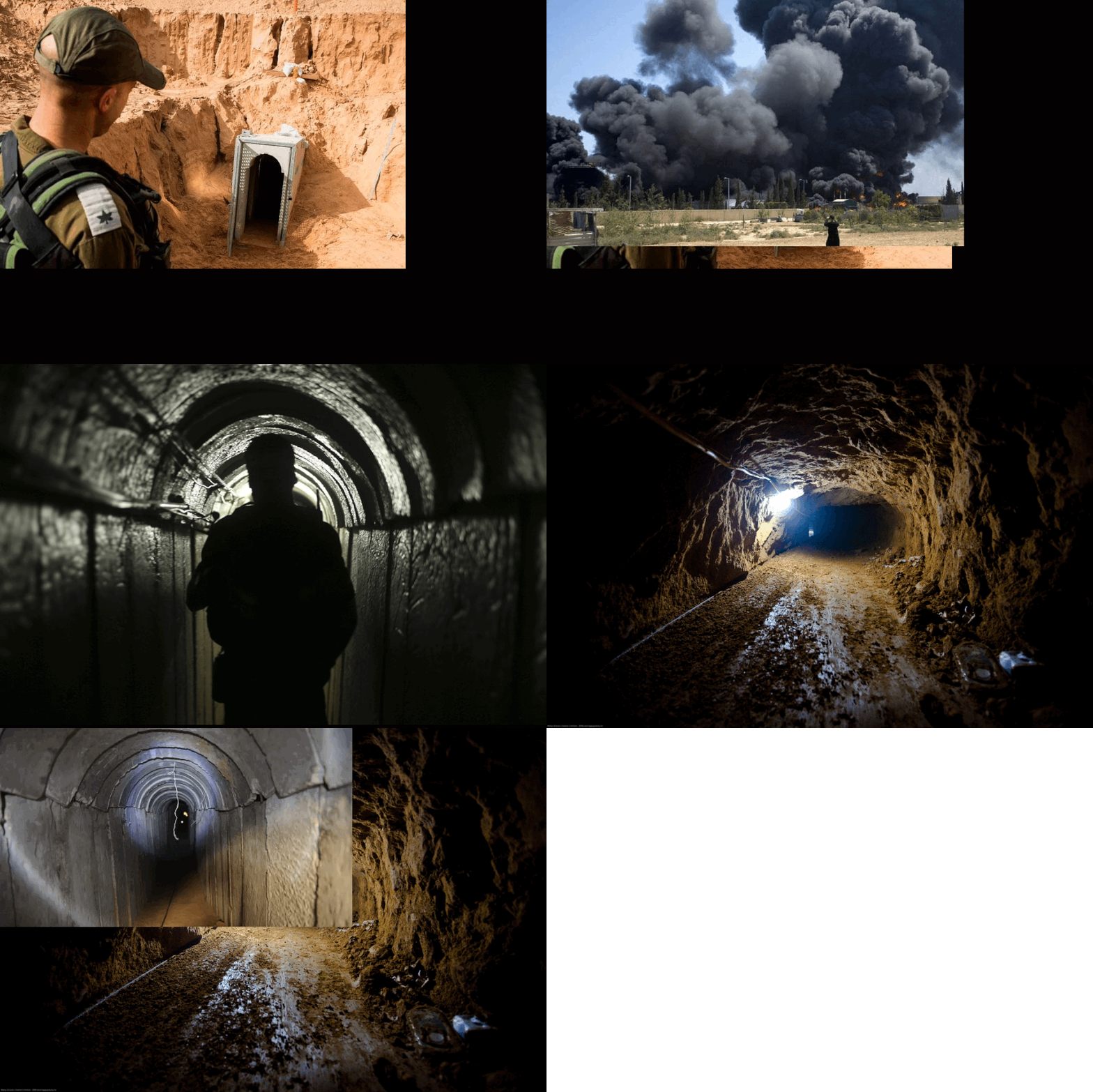
The Palestinians will suffer now. Isolated, surrounded and poor.
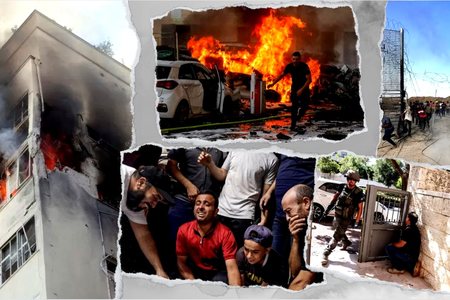
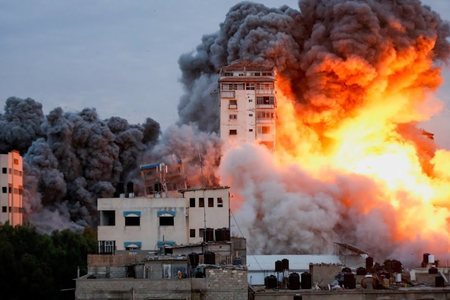
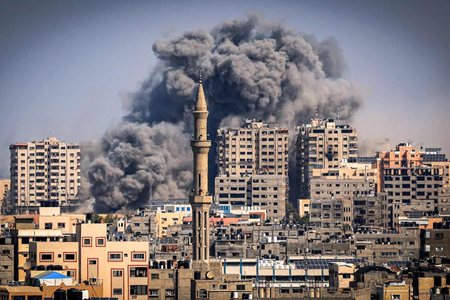
Israel says underground Hamas terror tunnels where militants are hiding are among 750 targets it struck overnight.
Over the years, Gaza has developed two types of tunnel networks.
Militant groups such as Hamas and Islamic Jihad have built a labyrinth of tunnels to move weapons and fighters, as well as to stage potential attacks against Israel. It used to be said that beneath Gaza was another "Gaza of tunnels".
A second network of tunnels exists under the Egyptian border.
During the most difficult years of Israel's ongoing siege of Gaza, trade tunnels were opened to bring food, clothes, toys and even cars into the territory. These haven't been used in years.
If Israel imposes a total blockade of the borders, they may return.
Background
In the years before Hamas took over Gaza, it became virtually impossible for Palestinians to obtain Israeli permission to leave Gaza and visit the other Palestinian territory, the West Bank.
After Hamas took control of Gaza in 2007, Israel's blockade of the strip became total.
Gazans were not starving. Israel allowed the minimum supplies necessary for survival, but nothing more.
All commercial activity was halted and Gaza's export trade with Israel and the West Bank was blocked. One economist called it the "development" of territory. The people were destroyed in want.
It was then that the tunnel trade and smuggling business with Egypt began.
Hundreds of tunnels were opened under the border with Egypt. Everything from cans of soft drinks and crates of ice fish were smuggled across the border. People were also smuggled in and out of the belt.
It created a new merchant class of tunnel barons. They got rich from the profits. The Egyptian Bedouin smugglers in the Sinai Peninsula did the same. It was boom time.
But for the Palestinians, basic supplies were still hard to come by and expensive from the added costs of smuggling.
The end of the tunnels
The hard days of the tunnel business did not last. Egypt wanted to strike it and built a metal wall hammered into the ground to block the tunnels. The Gazans cut the steel and continued to do business.
After the Mavi Marmara attack in 2010, when a Turkish aid flotilla was attacked by Israeli forces en route to Gaza, Israel gradually began allowing more food into Gaza and businesses to export again.
From boom to boom, the tunnel barons were abolished.
What about now?
Israel has made it clear that it plans to destroy Hamas and punish all of Gaza.
Under humanitarian law, collective punishment of civilians is illegal. But Israel has broad international support for its current "retaliatory" action against Gaza.
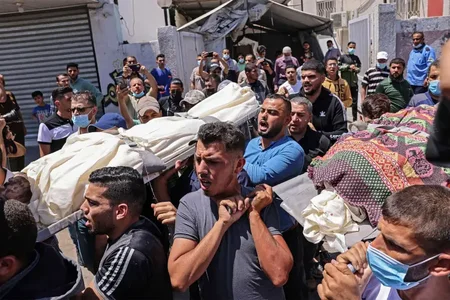
The Palestinians will suffer now.
The beltway will have to be rebuilt, tons of concrete removed, tent camps for the homeless, and this little landslide will be bombed back to square one. Isolated, surrounded and poor.
Gazans are just trying to survive the airstrikes, but many fear another long dark period with a total blockade of goods is on the horizon.
If that happens, they may be left with no alternative but to dig deep into the sandy soil below the border with Egypt and eke out a living through the tunnel trade./ Taken from "Sky News", adapted from " Pamphlet "


Lini një Përgjigje