


 Shkruar nga Pamfleti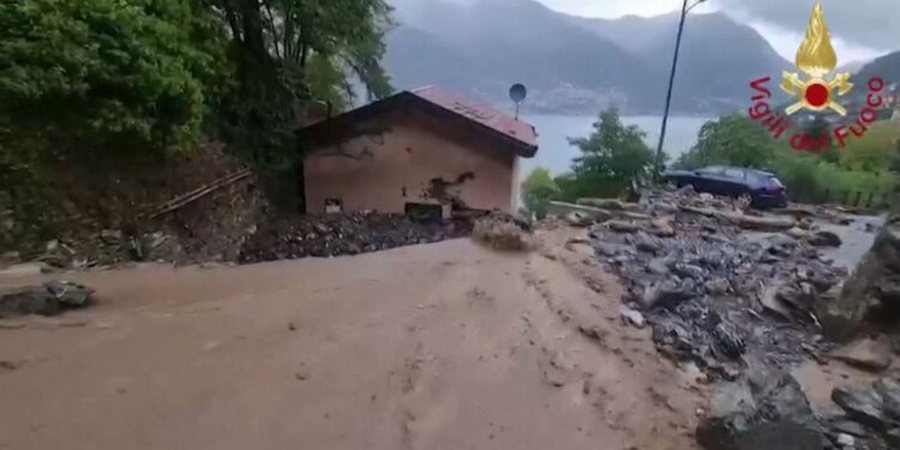
The violent storms that hit Italy after the heat wave this summer, until a few years ago, would have been classified as extraordinary events.
Will this be the new normal situation that we have to get used to, writes Corriere della Sera.
What should be called normality, i.e. the average values, have changed significantly in recent years: the average temperature of the thirty years 1991-2020 is no longer that of the thirty years 1971-2000.
As temperatures rise, all associated phenomena are amplified, the paper says: higher temperatures mean more energy involved.
In addition, warmer air can hold more water vapor, which when condensed produces more precipitation. Meanwhile, for the same reason, the increase in temperatures has another effect: water from the ground evaporates more, thus bringing drought conditions. Heavy rains and drought are like that, two sides of the same coin.
Local meteorologists bring as an example the transition in a few days from a heat record recorded in Milan with a day in 260 years, to the fall of snow in the Alps. Asked if this is due to the fact that the Mediterranean is moving into a sea with near-tropical temperatures, they reply that continued warming is affecting all systems: from the sea surface, with more energy and greater evaporation, to the temperature of air.
When the encroachment of colder air masses occurs, experts say, the contrasts are devastating, recalling the record hailstorm at the end of July.






Lini një Përgjigje