


 Shkruar nga Pamfleti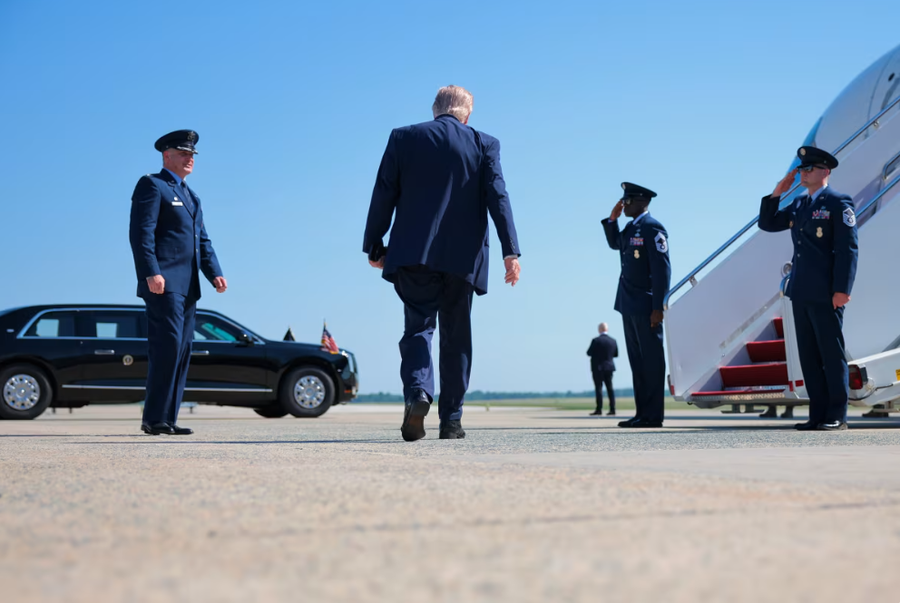
The President of the United States of America, Donald Trump, is seeking a major political success in Cuba that would bring about regime change, an objective he has not achieved in Iran.
But any further military escalation by the US would be very dangerous, both politically and militarily, given the commitments and burden of US forces.
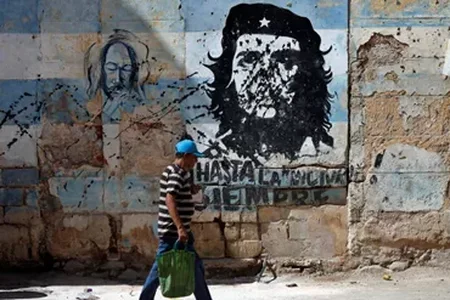
The US government has indicted former Cuban President Raúl Castro, 94, on charges of murder and conspiracy to murder American citizens over the 1996 incident when two civilian airliners were shot down over Cuba, killing four people, including three Americans.
The move is seen as a major escalation in US pressure on Cuba. In parallel, the US has imposed a blockade on Cuban oil, which is causing a serious humanitarian crisis and endangering the functioning of the country. Diplomatic pressure has also increased, including requests directed to Havana by CIA Director John Ratcliffe.
Trump has declared that he can do “whatever he wants” with Cuba and that he would have the “honor to take it.” He has described the country as a failed and collapsing country.
Why does the administration think it has a winning hand in Cuba?
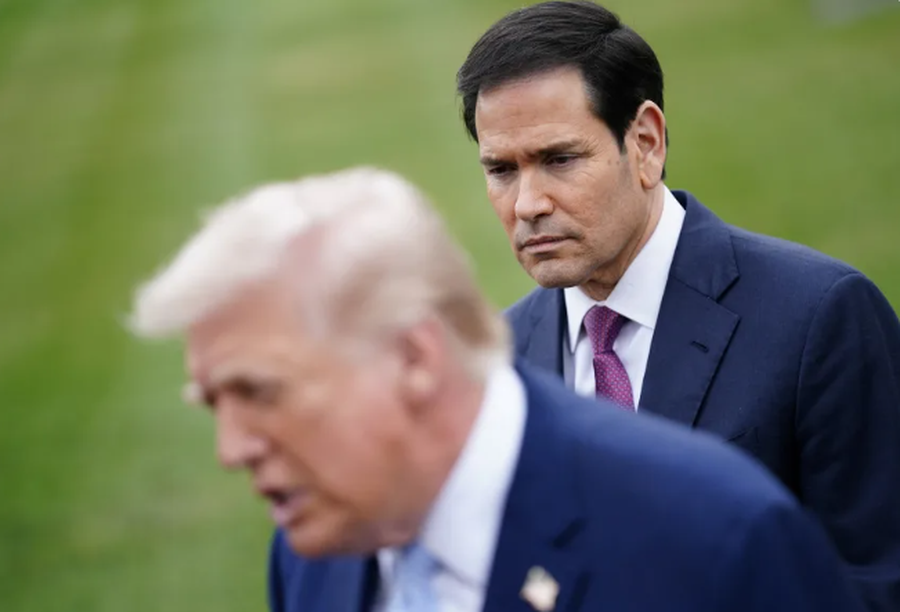
According to CNN's analysis, the US may aim to weaken the Cuban regime by creating divisions within its elite so that some figures are willing to negotiate. But there is also the possibility that these actions could be used as a justification for military intervention or special operations.
This approach resembles US policies towards Venezuela and leader Nicolás Maduro.
Expert Lee Schlenker warns that the indictment of Raúl Castro could backfire and strengthen the Cuban regime.
He says this could further unite the Cuban leadership and make any deal with the US much more difficult.
The American strategy is based on extreme economic pressure and military threat to force regime change, a method also used against Iran and Venezuela, but without complete success.
Cuban President Miguel Díaz-Canel has called the move a political act that shows arrogance and frustration by the US. According to CNN, there are no signs of large military buildups near Cuba, but there are increased US intelligence flights in the region.
A military intervention would be very dangerous, as Cuba could inflict serious losses on US forces and has a population-based defense system.
Polls show that most Americans do not support a new war, which makes such a decision politically difficult.
Senator Ruben Gallego has said that Americans want solutions for daily life, not new wars. A conflict with Cuba would bring great migratory and humanitarian risk.
The United Nations has warned that sanctions are severely damaging Cuba's energy, health and food supplies.
Meanwhile, US Secretary of State Marco Rubio says the problem comes from the regime's corruption, not the sanctions.
Ultimately, the analysis says that neither Cuba nor similar regimes have fallen from this strategy so far, and any potential victory would come at a very high cost.


Lini një Përgjigje