


 Shkruar nga Pamfleti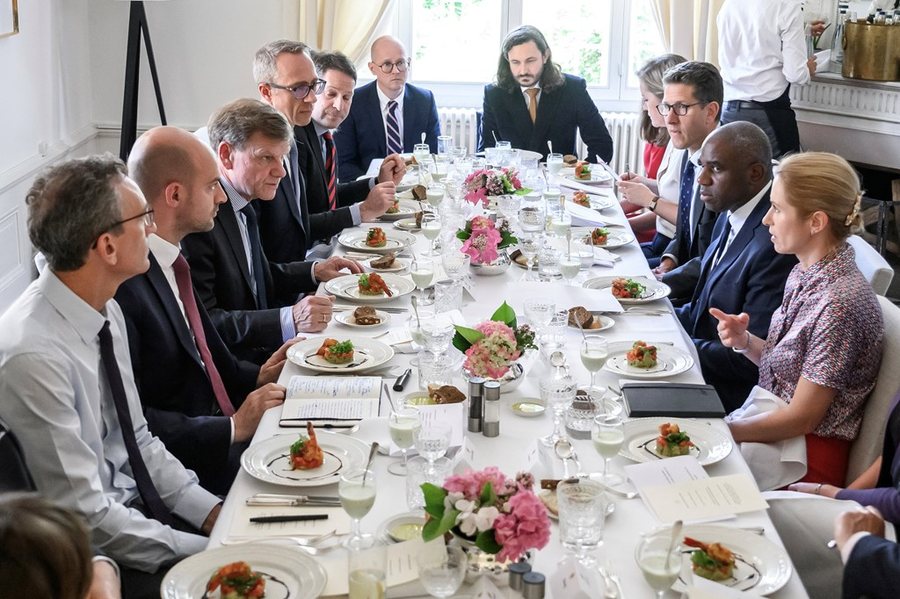
The meeting is expected to last about two hours and the entire world remains "eyes and ears" in Geneva, hoping for a reduction in tensions and the start of negotiations between Iran-Israel.
Long-awaited talks between Iranian Foreign Minister Abbas Araghchi and his counterparts from the United Kingdom, France, Germany and the European Union's foreign policy chief, Kaia Kallas, began in Geneva on Monday. The meeting, expected to last about two hours, comes at a critical juncture after a week of intense Israeli strikes on military and nuclear targets in Iran that have escalated tensions in the Middle East.
According to European sources, the main goal of the meeting is to offer Iran a “narrow landing strip” to exit the conflict with Israel safely and avoid a wider regional war. Two main issues are expected to dominate the discussions.
1-Uranium enrichment: The Europeans will seek to understand whether Iran is willing to give up its insistence on full uranium enrichment, a key point that has strained nuclear negotiations since the 2015 deal. If Tehran refuses, the question is whether there is room for negotiations on other restrictions on its nuclear program, which would limit it to civilian purposes only.
2-Threats and pressure from the US: The British, who are coordinating closely with Washington, are expected to convey clear messages from the administration of US President Donald Trump. Trump has set a two-week deadline to decide whether the US will become militarily involved on Israel's side, a move that could lead to serious consequences for the region. British Foreign Secretary David Lammy, who met with US Secretary of State Marco Rubio before traveling to Geneva, said there was a "window of opportunity" to end the crisis, but stressed that Iran "can never have nuclear weapons."
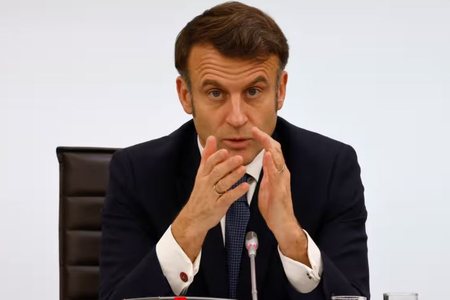
Earlier, speaking from Le Bourget, near Paris, Macron said France and European allies have drawn up a four-point plan aimed at reducing tensions and restarting a diplomatic process with Tehran.
-First point: Resumption of the work of the International Atomic Energy Agency (IAEA) in Iran in order to achieve the objective of "zero enrichment" of uranium.
-Second point: Monitoring Iran's ballistic missile activities.
-Point three: Banning Iranian funding for proxy militant groups in the Middle East region.
-Fourth point: The release of so-called "hostages" from Iran, referring to foreign nationals held in Iranian prisons.
Iranian Foreign Minister Abbas Araghchi has been blunt in his stance, declaring that Tehran will not engage in dialogue with the US as long as Israeli attacks continue. He has accused Washington of complicity in Israel’s attacks, saying: “It is impossible to have dialogue while our citizens are under attack.” Araghchi has refused to meet with Trump’s special envoy for the Middle East, Steve Witkoff, calling the US a “partner in crime” with Israel.
However, Iran has expressed a willingness to negotiate with the Europeans, as confirmed by posts on X and reports from Iranian agencies. Araghchi stressed that the talks in Geneva will be limited to the nuclear issue and regional issues, but reiterated that any solution must address “Israeli aggression.”
Europe, led by the “E3” group (United Kingdom, France, Germany) and Kaja Kallas, is trying to use the trust gained from its role in the 2015 nuclear deal to broker a solution. Norbert Röttgen, a German politician, has called the meeting an “opportunity for real change,” suggesting that the Iranian regime’s weak position could push Tehran to consider abandoning its nuclear program as the “lesser evil.”
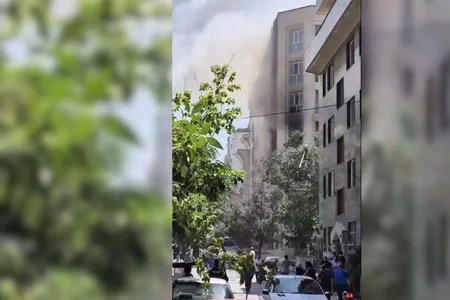
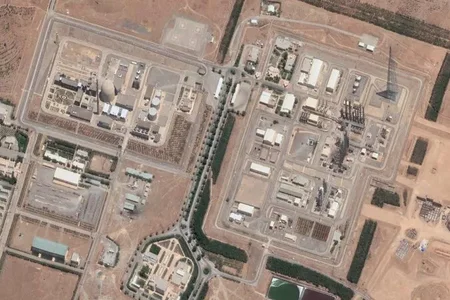
However, the challenges remain great. Iran has declared that it will continue to retaliate against Israel until the attacks stop, and has accused Israel of deliberately sabotaging the nuclear negotiations. According to Araghchi, the Israeli attacks, which have caused 224 civilian casualties and damaged nuclear facilities such as the one in Isfahan, are an attempt to sabotage a potential deal with the United States.
The meeting is expected to last about two hours and the whole world remains "eyes and ears" in Geneva, hoping for a reduction in tensions and the start of negotiations between Iran and Israel./ Pamphlet



Lini një Përgjigje