


 Shkruar nga Pamfleti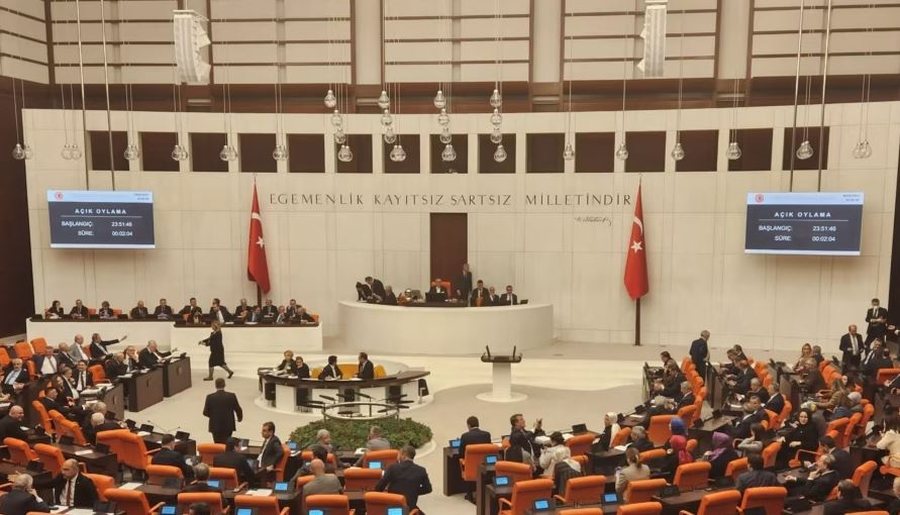
Turkey's NATO allies have been hoping for a quick approval of Sweden's request to join the North Atlantic alliance when Turkish MPs return to parliament in early October. These hopes, however, were extinguished when it was learned that this vote was not on the agenda of the parliament.
Turkish President Recep Tayyip Erdogan says that his country's approval of Sweden's NATO membership protocol is related to Washington's approval of the decision to sell American F-16 fighter jets to Turkey.
" The main issue at this point is the sale of newly produced F-16 aircraft and their additional equipment, a decision that is not being approved by the US Congress. Of course, there is a connection between these two issues" , says Serhat Guvenc, professor of International Relations at Kadir Has University in Istanbul.
Some lawmakers in the US Congress oppose the sale of the planes because they are concerned about Turkish threats to neighboring Greece.
Mr Erdogan, who supported Sweden's NATO membership, now says he cannot guarantee a yes vote from his MPs in parliament.
" Now this has become a matter of who should act first. Washington is concerned that they might sell the F-16 jets and Turkey not to approve Sweden's NATO membership. Ankara is concerned that Turkey may do so and Washington not respond. This is the problem ," says Ozgur Unluhisarcikli, head of the German Marshall Plan office in Ankara.
Observers say the continued threat of Russian aggression means Washington has an interest in NATO accepting Sweden, and a delay caused by Turkey is likely to create resentment among American leaders.
However, observers say US President Joe Biden's options are limited, given President Erdogan's close ties to Russian leader Vladimir Putin.
" They think that if they pushed Turkey to hold the vote or at least be a player within the West's camp, it would anger Erdogan and push him to get closer to the Russians and Iranians," says analyst Sinan Ciddi of the Defense Foundation . of Democracies based in Washington.
Blocking Sweden's NATO membership is part of a more fundamental problem between Presidents Erdogan and Biden, some observers say, as the US leader has limited his contact with his Turkish counterpart to brief talks during international meetings. They say this has made it difficult to resolve ongoing bilateral problems.
" Erdogan just won the elections. For another five years he will be the president of a country that is very important for NATO, for the Middle East, the Caucasus and the Black Sea. The question is; How much longer can the United States avoid dealing with and talking to this country and its leader?" , says Mustafa Aydin, from the International Relations Council of Turkey.
Many observers, however, warn that a high-level US-Turkey meeting is unlikely to happen as long as President Erdogan continues to block NATO expansion./ VOA


Lini një Përgjigje