


 Shkruar nga Dusan Stojanovic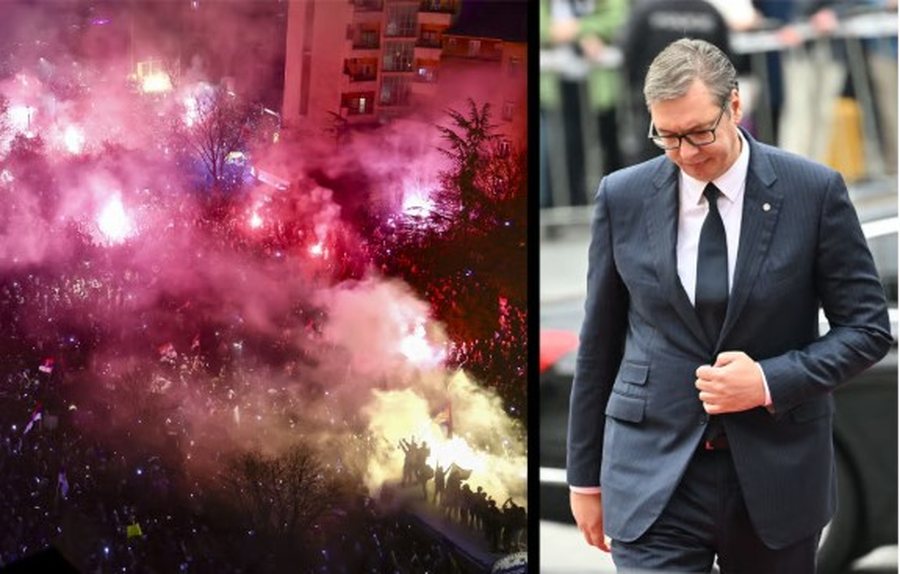
Vučić is feeling the end... and it will be bitter!
Serbia is experiencing its most turbulent political days since the overthrow of Slobodan Milosevic in 2000. What began as a student protest in the face of a tragedy neglected by the state has transformed into a popular revolt against a regime that has become the symbol of new-style Balkan authoritarianism.
Since November 1, 2024, when a building collapsed at the Novi Sad railway station on a Chinese-funded project, killing at least 16 people, the country has been rocked by accusations of corruption, state capture and institutional incompetence. Students were the first to take to the streets, blocking traffic for 15 minutes every Friday in memory of the victims. But the anger quickly spread beyond the universities.
Today, the protest has taken on national proportions. Ordinary citizens, driven by the unaffordability of life, abuse of power and police violence, have joined the youth. A revolt that no longer stops only in Belgrade, but has spread to dozens of other cities. Faced with this unprecedented wave, Vučić has chosen the classic path of the autocrat: to intimidate, humiliate and strike.
To send a signal of force, the government brought tanks onto the streets of Belgrade, ostensibly for a military parade on September 20. But against the backdrop of the protests, this maneuver is seen by citizens as a clear threat: if the protests escalate, the army will not leave the streets.
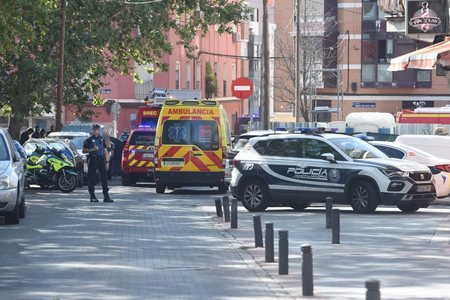
An old strategy with new technology. Parapolice made up of football club hooligans, known as Vučić's illegal bodyguards, have been used to intimidate protesters. Alongside them, special police have used tear gas, stun grenades, sonic devices and physical violence. Some protesters have been seriously injured, others have been arrested without any legal basis.
But each wave of violence by the government has produced the opposite effect: more citizens are taking to the streets. Students have blocked national roads, university entrances, and public institution buildings. Even after the mass dismissal of more than 100 teachers, deans, and professors who showed solidarity with the protests, the student movement has not retreated.
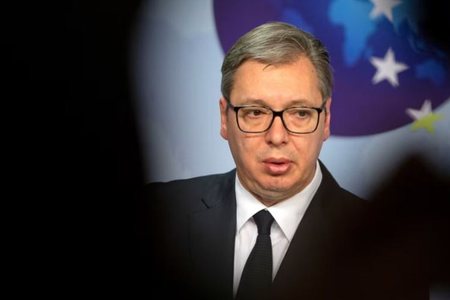
As Serbia struggles between repression and resistance, Vučić tries to present himself as a regional stabilizer in the eyes of outsiders. On the international stage, he appears at times as an ally of the EU, at times as a friend of Russia, China and Iran. His relations with the West are in a delicate balance: he does not impose sanctions on Moscow, but he also allows arms exports to Ukraine and makes frequent visits to Brussels and Kiev. This “impossible balance” makes him tolerable for many European diplomats who do not want unrest in a region with a bloody history.
But this tolerance comes at a cost. If the EU continues to turn a blind eye to a regime that shuts down independent media, labels any critic a “terrorist,” and uses state weapons to suppress protest, then it risks not only losing Serbia as a candidate for membership, but legitimizing an authoritarian model in the heart of the Balkans.
Analysts are clear: What is happening in Serbia today is more than a political crisis – it is an existential battle between a generation that seeks true democracy and a regime that will not give up the legacy of Milosevic. And if this clash is not resolved peacefully, Serbia risks falling into a spiral of violence and long-term instability. /Adapted from “Associated Press”



Lini një Përgjigje