


 Shkruar nga Pamfleti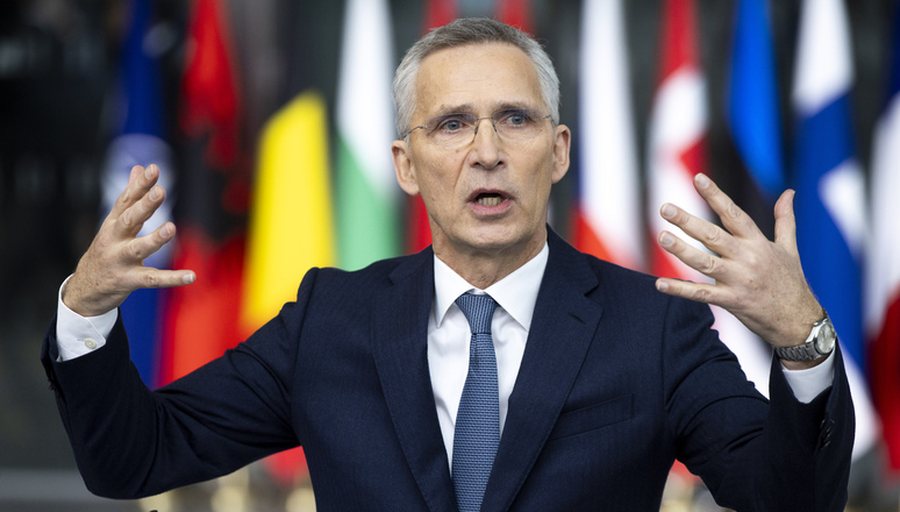
An "alliance of authoritarian powers" is working more closely together against Western democracies, the head of NATO has warned.
Jens Stoltenberg told the BBC that Russia, Iran, China and North Korea are increasingly aligned.
He also said he was confident NATO military alliance allies would agree on a long-term funding deal for Ukraine by July.
But he suggested that Ukraine might have to decide on some kind of "compromise".
Regarding the conflict in the Middle East, he said it was "very important" that the US and other NATO countries send "a very clear message to Israel" that they must do "significantly more" to protect civilians and aid workers behind the World Central Kitchen. column attack.
Stoltenberg took over NATO, the Western defense alliance, 10 years ago.
Speaking to mark the organisation's 75th anniversary, he told me the world was now "much more dangerous, much more unpredictable" and "much more violent".
He said there is an "authoritarian" alliance that gives each other practical support that is "increasingly aligned".
"China is supporting the Russian war economy, providing key parts of the defense industry, and in return, Moscow is mortgaging its future to Beijing. Russia was providing technology to Iran and North Korea in exchange for munitions and military equipment." said the head of NATO.
Stoltenberg said NATO needed to work with other countries beyond its own geography - such as Japan and South Korea - to "stand against this stronger alliance of authoritarian powers".
He has been trying to persuade other countries to give more money to the war effort in Ukraine in recent days in the hope of a five-year fund of 100 billion euros (£86 billion). He said he was confident a deal would be reached by July, despite some countries expressing reluctance this week.
Long-term support was vital now and to rebuild the country after the conflict, he said.
"Even if we believe and hope that the war will end in the near future, we must support Ukraine for many years to build up its defenses to deter future aggression," he said.
However, while Stoltenberg said military support was vital to push Russian forces out of Ukraine and force Putin to abandon his occupation goals, he also suggested Ukraine may ultimately have to make concessions as well.
"At the end of the day, it has to be Ukraine who decides what kind of compromises they are willing to make, we have to enable them to be in a position where they actually reach an acceptable result around the negotiating table," he said.
He said he was not calling for Ukraine to offer concessions now and added that "real peace" would be achievable when "Ukraine prevails". But his language is notable because President Volodymyr Zelensky has always been adamant that he would never negotiate with Putin, despite several calls for him to do so, including by the Pope.
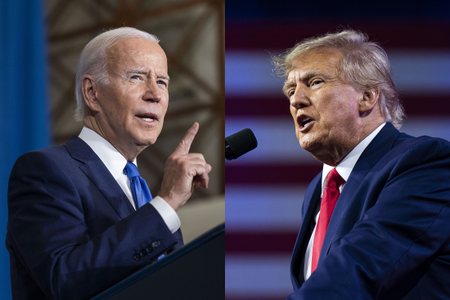
Stoltenberg declined to discuss whether he was concerned about Donald Trump's possible return to the White House, saying only that he was confident the US would continue to be an important ally, whoever was in charge.
But his remarks about how regimes around the world are working together are a reminder to Western leaders of the complicated and dangerous diplomatic jigsaw they must piece together.
More than two years after the conflict in Ukraine, our politicians must face the reality that what is happening there is affected by decisions not only in Moscow and Kiev, but also in Washington, Brussels and London, as well as in Beijing, Tehran and even Penjani.



Lini një Përgjigje