


 Shkruar nga Pamfleti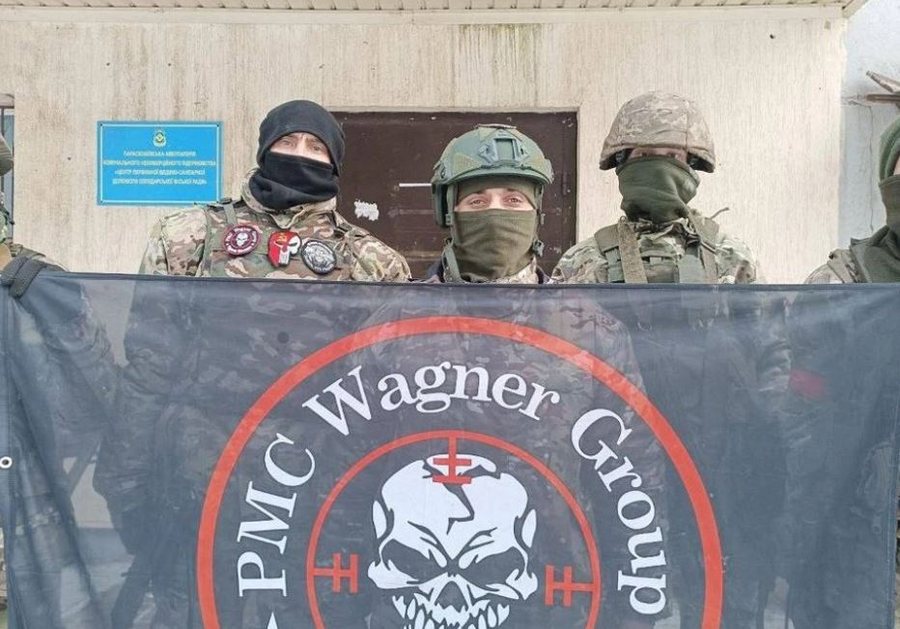
The evolution of the Wagner Group cannot be predicted, but such an established and profitable mechanism is unlikely to disappear...
'Wagner' started as a small secret group, but in recent years has evolved into a global war cartel, which under the leadership of Yevgeny Prigozhin loots gold, diamonds and natural resources while advancing the strategic interests of the Kremlin, being the "face" of the Russian occupation of Ukraine.
In the Wall Street Journal documentary, the development of the group of mercenaries is given, how from a small business of renting and selling weapons in African and Latin American countries, it turned into a vast network of businesses that spans four continents. .
International affairs experts and former mercenaries analyze the structure and functioning of the organization.
In a brief but comprehensive analysis of the relationship and sequence of criminal acts, John E. Smith, former director of the United States Treasury Department's Office of Foreign Assets Control (OFAC), explains how the Wagner group , through a network of "collaborating companies", launders money and is directly connected to the Kremlin: Wagner is nothing like what Americans think of as a "private military company". Wagner employs mercenaries who massacre and rape civilians, exploit and plunder resources natural resources and transfer much of their profits to the Kremlin. The money goes back to the Kremlin through a network of companies and can be used to pay salaries, weapons, cover all the needs of an army, but that money does not come from the Russian state. Protothema.
He likens the whole process to a cat-and-mouse game for the United States and other governments trying to control him, since the more they sanction Wagner's network of companies, the more new corporate schemes will be created for him. avoid those sanctions.
The 2014 Donbas Uprising
In the 2014 Donbass Uprising, in stark contrast to President Vladimir Putin's statements that Russia has not sent troops and that the uprising is being fueled only by locals, many small paramilitary groups with no state identifiers on their uniforms participated. The small and still relatively unknown paramilitary organization "Wagner" was there.
According to the testimony of Gleb Irisov, a former Russian Air Force officer who was in Donbas in the summer of 2014 as a member of a humanitarian aid mission, he says he witnessed "many cases when civilians could not explain some soldiers and crimes against the local population", while emphasizing that there was great confusion about who was responsible for these attacks.
His testimony stands in stark contrast to the government narrative of pro-Russian separatists who had the support of the Russian state: “ There were many local activists who became leaders of local military groups in those days. However, this was not the intention of the Russians, they were not interested in having any kind of real leader. All these people can become uncontrollable for Putin's regime. So they were killed, one by one, under unspecified circumstances."
In Syria on the side of the Russians
In 2015, Marat Gabidullin, a veteran of the Russian Air Force and former bodyguard joined the Wagner Group and found himself in Syria fighting with Russian troops, supporting President Bashar al-Assad. His testimony removes any doubt about the Wagner Group's activities, its existence and any connection with the Kremlin, which had previously been repeatedly denied by Prigozhin and Putin.
"The Wagner group was originally created and used as an instrument of unconventional warfare to create conditions of reasonable suspicion. Since then, it has gone through renaissance and transformations," Gabidullin said.
However, the involvement of the Wagner group in the Syrian war also marks the beginning of a new activity for it: the exploitation of the wealth resources of third countries, in exchange for weapons and an army of mercenaries.
“Kontrata jonë ishte me kompaninë Europolis me një pagë prej 80 mijë rubla për një muaj qëndrim në qendrën e stërvitjes dhe 8 mijë rubla për çdo ditë që ishim në një zonë luftimi”, thotë ish-mercenar. E njëjta kompani, Evropolis, megjithatë mori përsipër mbrojtjen e puseve të naftës në vend, në këmbim të 25% të prodhimit të tyre, me një fitim të madh për Rusinë.
Lufta në Siri vazhdon me një kosto të madhe, por edhe me një fitim të madh pasi Grupi Wagner përmes kompanive të reja vazhdon të marrë një pjesë gjithnjë e më të madhe të fushave të naftës në vend. Në fushën e betejës, megjithatë, ai përballet me humbje të mëdha, të cilat megjithatë nuk cenojnë prestigjin e vendit, pasi ai ende mohon ekzistencën e ushtrisë mercenare.
Operacionet në Afrikë
I njëjti model ka filluar të shfaqet në vende të tjera, kryesisht ato afrikane me trazira në brendësi, ose ish-kolonitë franceze me trupa franceze tani të kufizuara në territoret e tyre. Rasti i Republikës së Afrikës Qendrore është tipik. Në janar 2018 kompania 'Sewasiguron' siguri për zyrtarët e qeverisë, në këmbim të shfrytëzimit të minierave të vendit, ku kryesorja është miniera Ndassima , të cilën e kthen në një zonë industriale të minierave të arit, duke hedhur poshtë kompaninë menaxhuese të Axmin deri atëherë, si dhe organizatën lokale të opozitës. Nga njëra anë, propaganda pro-ruse, nga ana tjetër, mizoritë si masakra në fshatin Boyo, përbëjnë përsëri të njëjtin skenar fitimprurës me miliona dollarë që kthehen përmes Wagner në Rusi, me qëllimin përfundimtar të rifinancimin e luftës në Ukrainë.
Rekrutimi i të burgosurve
With the Ukraine war in full swing and Russia's inability to capture Kiev, the Wagner Group's activities, primarily in the paramilitary sector, are beginning to come to light. To compensate for the heavy losses, the recruitment of prisoners in exchange for their amnesty begins. Fast forward to May 2023 and after a decade of covert operations, leaked videos show Yevgeny Prigozhin not only recruiting, but launching a direct attack on the Russian Ministry of National Defense demanding ammunition for his soldiers, having already secured his position of power. The evolution of the Wagner Group cannot be predicted, but such an established and profitable mechanism is unlikely to disappear.




Lini një Përgjigje